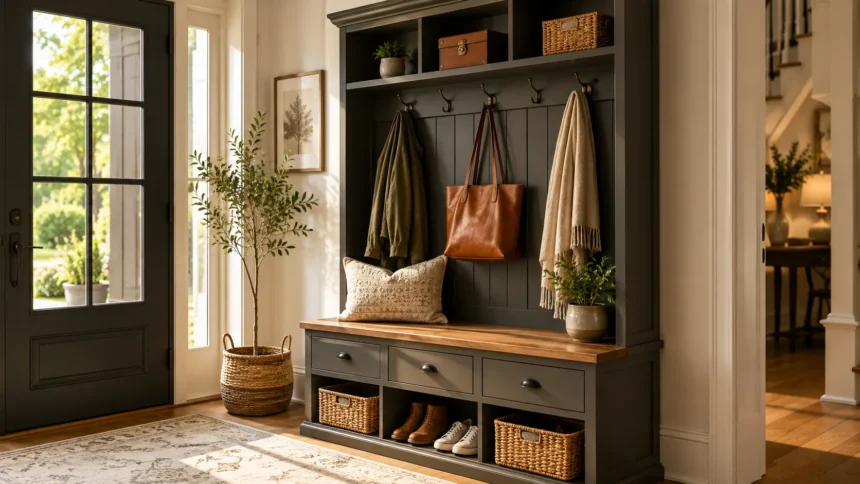
Hall Tree Ideas: Stylish Entryway Storage Solutions
A well-designed entryway can make the entire home feel calmer, cleaner, and more intentional, and a hall tree is one of the easiest ways to achieve that balance. Hall trees combine several useful functions in one piece of furniture, often bringing together coat hooks, seating, shelves, cubbies, drawers, mirrors, and shoe storage. Instead of letting jackets pile onto chairs and shoes spread across the floor, you can create a designated landing zone for everyday essentials. The best hall tree ideas are not only practical but also visually connected to the style of the home. Whether your entryway is narrow, spacious, modern, rustic, or traditional, the right configuration can turn an overlooked area into an organized and welcoming space.
Modern hall tree designs have become much more flexible than the oversized wooden pieces commonly associated with older homes. Today, you can find slim wall-mounted versions for apartments, built-in mudroom-inspired units for busy households, minimalist metal-and-wood designs, and upholstered storage benches that feel more like custom furniture. Choosing the right setup depends on how your household actually uses the entrance. Families may need backpacks, shoes, sports gear, and coats organized in clearly defined zones, while a small household may simply need a place for keys, handbags, and occasional outerwear. This guide explores stylish entryway storage solutions that combine organization, comfort, and personality without making the space feel crowded.
What Is a Hall Tree and Why Is It Useful?
A hall tree is an entryway storage unit designed to keep frequently used belongings organized close to the door. Traditional hall trees often included a tall wooden frame, coat hooks, a mirror, and sometimes a small bench or umbrella stand. Modern versions can include shoe compartments, overhead shelving, closed cabinets, drawers, baskets, charging areas, and decorative panels. Because several storage functions are combined vertically, a hall tree can make efficient use of limited floor space. This makes it especially useful in homes without a dedicated coat closet or mudroom. The furniture effectively creates a compact organization station wherever people enter and leave the home.
One of the biggest advantages of a hall tree is that it gives everyday objects a consistent home. Jackets can hang from hooks instead of being draped across furniture, while shoes can be stored beneath the bench rather than blocking the walkway. Baskets may hold scarves, gloves, pet accessories, or children’s items, and a small shelf can provide a convenient location for keys and mail. When everything has a designated place, the entryway becomes easier to maintain. This organization can also simplify morning routines because essential items are easier to find. The result is a space that supports daily habits instead of becoming a collection point for clutter.
Hall trees are particularly valuable in small entryways because they take advantage of vertical space. A separate bench, coat rack, shoe cabinet, and shelf could consume considerably more room than one integrated piece. A narrow hall tree can provide the same functions within a compact footprint by stacking storage from floor to ceiling. This approach works well in apartments, townhouses, and older homes where entry areas may be limited. Even a shallow wall-mounted design can create useful storage without interfering with movement. Careful proportions are important, however, because an oversized unit can make a narrow hallway feel cramped rather than organized.
The furniture can also become a major decorative feature. Because a hall tree is often one of the first things guests see after entering the home, its finish and styling influence the impression of the surrounding space. Natural wood can bring warmth, painted cabinetry can create a polished built-in appearance, and black metal details can introduce an industrial or contemporary edge. Upholstered cushions, woven baskets, decorative hooks, and framed mirrors provide opportunities to coordinate the unit with nearby furniture. A well-designed hall tree therefore works as both storage and interior décor. Practical furniture does not need to look purely functional.
The best hall tree depends on the habits of the people who use it. Before choosing a design, consider which items regularly accumulate near your entrance and what causes the most frustration. If shoes are the primary problem, prioritize closed shoe storage or spacious lower cubbies. If coats and bags create clutter, choose sturdy hooks and enough vertical clearance. Families with children may need lower hooks that are easy for younger users to reach. Defining these needs first helps you avoid selecting a beautiful piece that does not actually solve your entryway storage problems.
Small Hall Tree Ideas for Narrow Entryways
A slim hall tree is one of the most practical choices for a narrow entrance because it provides vertical organization without taking over the walkway. Look for designs with a shallow depth and a narrow bench rather than wide side cabinets. Open metal frames can make a small entryway feel less visually heavy because the wall remains partially visible behind the furniture. Light wood tones and pale painted finishes can also prevent the area from appearing crowded. If storage demands are modest, a few hooks and one lower shelf may be enough. The key is choosing only the functions you genuinely need instead of filling a small space with unnecessary compartments.
Wall-mounted hall tree designs can save even more floor space. A floating shelf with hooks, a narrow back panel, and a separate small bench can recreate the function of a traditional hall tree while maintaining an airy appearance. This modular arrangement is especially useful when baseboards, heating vents, or awkward corners make a full furniture unit difficult to place. A floating system can also be installed at a height that matches the household’s needs. Adding one or two baskets beneath the bench gives smaller items a concealed location. Visually, the separated components can make the entry feel lighter than a single tall piece of furniture.
Corner hall trees are another useful solution when a narrow entryway includes an otherwise unused angle. Instead of placing storage along the main passage, a corner design directs the furniture into an area that might not serve another purpose. Triangular shelves, corner benches, and hooks arranged on two adjacent walls can create a compact drop zone. This works particularly well near stairways or beside an entry door where standard rectangular furniture feels awkward. A corner configuration can also keep coats from projecting too far into the walkway. Measuring door swing and walking clearance is essential before installing hooks or shelves in tight areas.
Mirrors can make compact hall tree arrangements feel more spacious while adding an important everyday function. A vertical mirror positioned above the bench visually extends the wall and reflects light into a narrow entryway. Instead of covering the entire unit with cabinetry, combine the mirror with small hooks and one overhead shelf. This prevents the design from feeling too solid or bulky. The mirror also provides a convenient place for a final appearance check before leaving home. For the strongest visual effect, keep surrounding accessories simple so the reflected space looks organized rather than doubling the appearance of clutter.
Closed storage can still work in a small entryway when it is used selectively. A narrow drawer beneath the bench may be enough for keys, pet leashes, sunglasses, or small accessories without requiring a large cabinet. Tilt-out shoe compartments can store footwear within a shallower depth than conventional shelves. Overhead cabinets can hold seasonal items that do not need daily access while leaving the central section open for coats. Using a mixture of open and closed storage often creates the best balance. Too much open storage can look messy, while too many cabinet doors may visually overwhelm a compact entrance.
Hall Tree Ideas With a Bench and Shoe Storage
A hall tree with a bench is especially useful because it creates a comfortable place to put on and remove shoes. Without seating, people may lean against walls, sit on stairs, or carry shoes into other rooms, which can spread clutter beyond the entryway. A sturdy bench gives the space a clear functional center and can also support bags temporarily when entering the home. For maximum usefulness, the seat should be deep enough for comfort without blocking circulation. The space below can then be dedicated to footwear. This arrangement works well for households that frequently switch between indoor and outdoor shoes.
Open shoe cubbies provide quick access and make it easier for family members to maintain the system. Each person can have an assigned compartment, which reduces the chance of shoes being left randomly across the floor. Larger cubbies can accommodate ankle boots, while shallow compartments work well for sneakers, flats, and children’s footwear. Open storage also allows damp shoes to dry more effectively than completely sealed cabinets. However, visible footwear can make the entry look busy when too many pairs accumulate. Limiting each household member to the shoes currently in regular rotation helps keep the hall tree visually tidy.
Closed shoe storage creates a more polished appearance when visual simplicity is important. Drawers, doors, or tilt-out compartments can hide footwear completely while maintaining a furniture-like look. This style works particularly well in formal foyers where open cubbies might feel too casual. Ventilation should still be considered, especially if frequently worn shoes are stored immediately after use. Slatted doors or discreet ventilation openings can improve airflow. Closed compartments are also helpful for preventing pets from accessing shoes or children’s outdoor items. The trade-off is that users need to develop the habit of putting items away rather than dropping them beneath the bench.
Adding a cushion can make the bench more comfortable while introducing color and texture. A removable cushion is generally more practical than permanently attached upholstery because it can be cleaned or replaced more easily. Performance fabrics are useful in busy households because entryways are exposed to dirt, moisture, and frequent use. Neutral upholstery can create a timeless look, while patterned fabric can bring personality to an otherwise simple hall tree. The cushion should fit securely so it does not slide whenever someone sits down. A few small pillows can be decorative, but too many can interfere with the bench’s primary purpose.
Storage baskets can make the lower portion of a bench more flexible when fixed cubbies are not ideal. Woven baskets add warmth to farmhouse, coastal, and traditional interiors, while fabric bins create a softer casual appearance. Wire baskets suit industrial and modern spaces and make contents easier to identify. Baskets are useful for slippers, reusable shopping bags, hats, sports accessories, or pet supplies. Labels can help family members return items to the correct location without creating visual confusion. Choosing baskets that fit the openings properly gives the whole hall tree a more intentional and customized appearance.
Modern and Minimalist Hall Tree Ideas
Modern hall trees usually emphasize clean lines, restrained colors, and carefully edited storage. Instead of filling the wall with decorative trim and numerous compartments, a minimalist design may combine a simple wood panel, a few hooks, a floating bench, and concealed shoe storage. This approach works particularly well in contemporary apartments and open-plan homes where the entryway is visible from living areas. Keeping the materials consistent helps the hall tree blend naturally into the architecture. Matte black hardware, warm oak, white cabinetry, and neutral upholstery are common combinations. The overall effect should feel organized and calm rather than heavily decorated.
A floating hall tree is an excellent choice for a particularly streamlined look. Wall-mounted cabinetry or benches keep the floor visible beneath the furniture, which can make the entryway appear larger. Cleaning is also easier because dust and debris can be removed without navigating around furniture legs. A floating bench can be paired with an integrated back panel and concealed mounting hardware for a built-in appearance. Under-bench lighting can add a subtle architectural effect while improving visibility around shoes. Proper wall anchoring is essential because seating must safely support weight. Decorative appearance should never take priority over structural stability.
Slatted wood wall panels have become a popular way to add texture to minimalist entryways. Vertical slats create visual height and can serve as a backdrop for simple black or brass hooks. When coordinated with a matching wood bench, the hall tree looks custom without requiring elaborate cabinetry. The gaps between slats add dimension while preventing the wall from feeling completely solid. This design works especially well when the surrounding interior already includes warm wood details. To avoid creating a visually busy surface, keep the number of accessories limited. The wood texture itself can provide enough decorative interest.
Minimalist hall tree storage often relies heavily on concealed compartments. A bench can contain deep drawers for shoes, while an overhead cabinet stores seasonal accessories. Hooks remain available for the coats and bags currently in use, but everything else stays behind smooth doors. Push-to-open hardware can eliminate visible handles and create an uninterrupted cabinet surface. This design is helpful for people who prefer uncluttered interiors but still need practical storage. It also makes a small entryway easier to style because fewer visible objects compete for attention. The challenge is creating enough internal organization so closed cabinets do not become hidden clutter zones.
Color can strengthen a modern hall tree without making it overly decorative. Deep charcoal, soft beige, muted green, warm white, and natural wood finishes can create sophisticated contrast while remaining easy to coordinate. A monochromatic hall tree painted the same color as the surrounding wall can almost disappear into the architecture. Conversely, a dark unit against a light wall can become an intentional focal point. Metal hardware should complement nearby door handles or lighting fixtures where possible. Repeating a few finishes creates visual continuity. Modern style generally looks strongest when the palette is limited and each material feels deliberately selected.
Farmhouse and Rustic Hall Tree Ideas
Farmhouse hall trees often use warm materials and familiar details that make the entryway feel welcoming rather than overly polished. Natural wood, painted finishes, beadboard or shiplap-style backing, sturdy hooks, and woven baskets are common elements. A distressed finish can create an aged appearance, although subtle weathering usually feels more timeless than heavily artificial distressing. White or cream cabinetry paired with a stained wood bench is a particularly versatile combination. It provides contrast while keeping the entry bright. The design can work in traditional farmhouses, suburban homes, cottages, and transitional interiors when rustic details are balanced with practical storage.
Reclaimed wood can give a hall tree distinctive character because variations in grain, knots, and color make every surface slightly different. It works especially well for benches, shelves, and back panels where the natural texture remains visible. However, reclaimed materials should be properly cleaned, prepared, and sealed before being used in a frequently touched area. Rough surfaces may snag clothing or be uncomfortable for seating if they are not finished appropriately. Combining rustic wood with new cabinetry can create a balanced look that feels authentic without appearing unfinished. Black iron hooks can reinforce the rustic character while providing durable everyday functionality.
Shiplap-inspired backing is another recognizable farmhouse detail that works particularly well behind coat hooks. Horizontal boards can make a narrow wall appear wider, while vertical boards may emphasize ceiling height. Painting the backing white, cream, gray, or a muted earthy tone creates a clean base for darker hardware. A stained wood bench adds warmth and prevents the design from becoming too monochromatic. If the surrounding home already includes substantial shiplap, consider using a simpler hall tree panel to avoid repetition. Farmhouse style works best when its signature elements feel intentional rather than applied to every available surface.
Woven storage can soften the hard edges of wood cabinetry and bring useful texture into the entryway. Seagrass, rattan, wicker, and similar basket styles work naturally with farmhouse interiors and hide small items that would otherwise create visual clutter. Baskets placed above the coat hooks can hold seasonal accessories, while lower bins can contain shoes or children’s outdoor gear. Selecting baskets in similar sizes and materials creates a more coordinated appearance. Fabric liners can make rougher baskets gentler on delicate clothing. Since entryway storage receives frequent handling, durable baskets are usually worth choosing over purely decorative options.
Rustic style does not mean the hall tree must look old-fashioned. Cleaner cabinetry, simple shaker doors, restrained hardware, and natural wood accents can create a modern farmhouse version that feels current. Instead of filling shelves with decorative signs and small ornaments, leave enough open space for the unit to function comfortably. One ceramic bowl, a small plant, or a simple framed print may be enough to personalize the area. Combining traditional materials with simplified styling keeps the design from becoming visually crowded. The most successful farmhouse entryways feel warm and relaxed while still providing efficient storage for real household routines.
Built-In Hall Tree Ideas for a Custom Entryway
A built-in hall tree can make an entryway feel more architectural because the storage appears integrated with the room rather than added afterward. These designs often extend from wall to wall or floor to ceiling, allowing homeowners to use every available inch. A typical configuration may include a bench, individual coat sections, overhead cabinets, shoe drawers, and vertical side storage. Built-ins are particularly valuable in busy households because they can be tailored to the exact items that need organizing. When finished in a color that complements the walls and trim, the unit can look like an original part of the home.
Individual lockers or cubbies are useful when several household members need their own storage zones. Each section can include hooks for coats and backpacks, a shelf for small belongings, and shoe storage beneath the bench. Personal zones reduce competition for hooks and make it easier for children to understand where their belongings belong. Names or subtle labels can provide additional organization without making the unit look overly institutional. Adults can use taller sections while lower hooks are positioned within children’s reach. Designing storage around actual users makes the hall tree more likely to stay organized after the initial excitement of installation disappears.
Floor-to-ceiling cabinetry can provide valuable storage for less frequently used items. The highest cabinets are suitable for seasonal accessories, travel bags, extra linens, or other belongings that do not require daily access. Keeping these items behind doors prevents the upper portion of the entryway from looking crowded. Lower drawers can hold footwear, while the middle area remains open for coats and seating. This division creates a practical hierarchy based on how often each item is needed. Frequently used objects stay easy to reach, while occasional items occupy less convenient areas. Thoughtful storage placement is one of the major advantages of custom built-ins.
Lighting can elevate a built-in hall tree from basic storage to a polished design feature. Small sconces, integrated LED strips, or recessed lighting can illuminate the bench and make the entryway more welcoming in the evening. Lighting is particularly useful in hallways that receive little natural light. Electrical planning can also allow the hall tree to include charging outlets or a concealed location for devices. These features should be incorporated early when possible so cords and wiring remain hidden. A beautifully designed unit can quickly feel cluttered if charging cables hang visibly across the bench. Functional details are most successful when they disappear into the overall design.
Built-ins require more planning and investment than freestanding furniture, so measurements should be carefully considered before construction begins. Door swing, baseboards, electrical outlets, vents, switches, and nearby walkways all influence the final dimensions. Storage depth should also reflect the objects being stored rather than simply filling the available wall. Coat sections need enough room for garments to hang without projecting excessively into the walkway. Bench height should remain comfortable for seating, and cabinet doors need space to open fully. Careful planning produces a hall tree that feels natural to use instead of forcing the household to adapt to awkward dimensions.
DIY Hall Tree Ideas on a Budget
A DIY hall tree can be created without constructing a complicated piece of furniture from scratch. One of the simplest approaches is combining a ready-made bench with a wall-mounted panel, shelf, and hooks. Painting all the components the same color can make separate pieces look like one coordinated unit. Plywood, dimensional lumber, and basic trim can be used to create a custom backing without advanced woodworking techniques. This approach allows homeowners to adjust width according to the available wall space. A simple design is often more successful than attempting elaborate cabinetry without the tools or experience needed to build it safely.
Repurposing existing furniture can reduce costs even further. An old bench, narrow cabinet, bookcase, or storage chest may become the foundation for a hall tree after cleaning, repair, and refinishing. A wall panel can then be installed above it to create a vertical location for hooks. Older furniture often has useful proportions and durable construction that can work well in an entryway. However, stability should be checked carefully before turning a decorative piece into seating. Wobbly furniture, damaged joints, or weak materials should be repaired properly. Budget projects should still prioritize safety, especially when children may climb or pull on the unit.
Paint is one of the easiest ways to make inexpensive materials appear more cohesive. A basic plywood back panel and simple stock cabinets can look significantly more customized when finished in the same durable paint. Trim can hide gaps and create the impression that the hall tree was built specifically for the space. Neutral colors provide versatility, while deeper tones can create a striking focal point. Entryway furniture experiences frequent contact, so surfaces should be prepared correctly before painting. A durable finish is more practical than one chosen only for appearance. Allowing adequate drying and curing time also helps prevent premature scratches.
Affordable storage accessories can add organization without expensive custom components. Standard hooks, baskets, fabric bins, and simple shelves are widely available and can be arranged according to household needs. Instead of purchasing decorative hardware impulsively, consider how much weight each hook will need to support. Coats, loaded backpacks, and handbags can place substantial stress on mounting points. Hooks should be secured into studs or appropriate wall anchors rather than attached only to thin decorative paneling. The same principle applies to overhead shelves. A low-cost hall tree can still be durable when structural connections receive as much attention as appearance.
DIY planning should begin with a measured drawing even when the project seems simple. Record the wall width, ceiling height, bench dimensions, door clearance, and location of outlets or switches. Then determine how many hooks, cubbies, and shelves are actually required. Designing around real objects is helpful because winter coats, backpacks, boots, and baskets occupy more space than they appear to on paper. Building only after checking these dimensions reduces costly mistakes. A successful budget hall tree does not need complicated details. Good proportions, secure installation, durable materials, and thoughtful storage are usually enough to make an inexpensive project look intentional.
How to Style a Hall Tree Without Creating Clutter
Styling a hall tree begins with remembering that its primary purpose is functional storage. Entryways naturally collect belongings, so covering every shelf with decorative objects leaves little room for the things people actually use. Choose a small number of accessories that contribute warmth without competing with coats, bags, and shoes. A ceramic tray for keys, one small plant, and a framed piece of artwork may be enough. Keeping some visual space empty makes the hall tree feel calmer and helps practical items remain accessible. The best styling supports everyday routines rather than requiring constant rearrangement to keep the area attractive.
Baskets are among the easiest ways to combine decoration and organization. Matching baskets can create visual consistency while hiding items such as gloves, hats, reusable bags, or children’s accessories. Using different baskets for every shelf can make the hall tree feel more eclectic, but too many patterns and materials may look chaotic in a compact entry. A coordinated set usually creates a cleaner appearance. Labels can remain discreet if you prefer a polished look. The basket material can also reinforce the room’s style, with woven fibers bringing warmth and metal containers creating a more industrial feeling.
Seasonal changes can keep the entryway useful without requiring a complete redesign. During colder months, dedicate hooks and baskets to coats, scarves, gloves, and boots. In warmer seasons, remove heavy winter gear and use the same areas for hats, lightweight jackets, outdoor accessories, or reusable shopping bags. Rotating items prevents the hall tree from becoming permanent storage for belongings that are not currently needed. Seasonal décor can also be introduced in small amounts through a wreath, plant, or cushion cover. Limiting these changes to a few pieces keeps the entryway fresh without creating additional storage problems.
Color coordination can make ordinary household belongings look more intentional. Neutral baskets, consistent hangers, and a limited palette around the hall tree reduce visual noise even when several objects remain visible. The hall tree itself can repeat a color already present in nearby walls, rugs, doors, or cabinetry. This makes the entryway feel connected to the rest of the home rather than functioning as a separate storage zone. Hardware can also coordinate with nearby lighting or door handles. These small repetitions create cohesion without requiring everything to match exactly. A few consistent materials often have more impact than numerous decorative accessories.
Regular editing is ultimately the most important part of keeping a hall tree stylish. Even the best storage system becomes cluttered when unused shoes, old mail, empty bags, and out-of-season clothing accumulate indefinitely. Set a simple routine for removing items that no longer need to remain near the entrance. The bench should stay usable for sitting rather than becoming another horizontal surface for piles. Hooks should have enough space that jackets can be removed without pulling down everything beside them. When the hall tree is treated as a temporary landing zone rather than permanent storage for every household possession, it remains both attractive and practical.
Frequently Asked Questions About Hall Tree Ideas
What should I put on a hall tree?
A hall tree can hold coats, jackets, bags, shoes, hats, keys, umbrellas, pet supplies, and other frequently used entryway items. The best setup focuses on belongings your household regularly needs when entering or leaving the home rather than filling every available compartment.
Are hall trees good for small entryways?
Yes, a narrow or wall-mounted hall tree can be especially useful in a small entryway because it takes advantage of vertical storage. Choose a shallow design with only the necessary hooks, shelves, or shoe compartments so the walkway remains comfortable.
How can I make a hall tree look more expensive?
Use coordinated finishes, sturdy hardware, properly sized baskets, and a restrained color palette to create a more polished appearance. Adding trim, a quality bench cushion, concealed storage, or built-in-looking details can also make an affordable hall tree feel more customized.
Should a hall tree have open or closed storage?
Open storage provides quick access and works well for everyday coats, shoes, and bags, while closed storage hides visual clutter and creates a cleaner appearance. Many entryways benefit from combining both, with hooks for frequently used belongings and cabinets or drawers for everything else.
Where is the best place to put a hall tree?
The best location is usually close to the entrance household members use most often, provided the unit does not interfere with door swing or walking space. It can work in a foyer, hallway, mudroom, garage entrance, or even beside a staircase when dimensions allow.