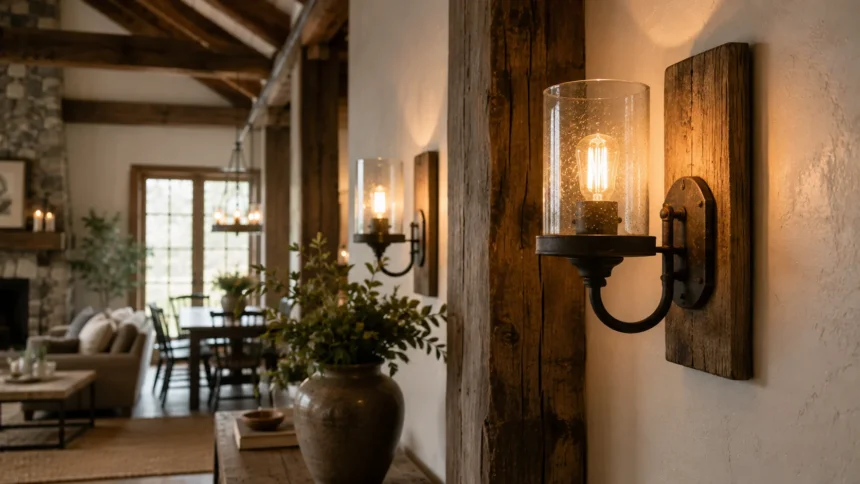
Rustic Wall Sconces: Cozy Lighting Ideas for Any Room
Rustic wall sconces are one of the easiest ways to make a room feel warmer, more layered, and more inviting without taking up valuable floor or table space. They work especially well in homes with wood, stone, brick, plaster, linen, leather, or vintage-inspired furniture because they reinforce a sense of texture and comfort. The best rustic wall sconces do more than provide light; they also act as decorative features that help shape the mood of a room after dark. Depending on the design, a sconce can feel farmhouse, lodge-inspired, industrial, traditional, modern rustic, or even quietly minimalist. That versatility makes wall lighting useful in almost every room of the home.
A successful rustic lighting scheme usually combines wall sconces with other light sources rather than relying on them alone. Ceiling fixtures provide general illumination, while lamps and sconces add softer pools of light at eye level. This layered approach makes interiors feel more relaxed because brightness is spread across the room instead of coming from one harsh overhead source. Warm bulbs, natural finishes, and carefully chosen placement can make even a simple wall fixture feel intentional. Whether you are decorating a cabin, farmhouse, cottage, contemporary home, or apartment, rustic sconces can bring warmth without making the room look overly themed.
Why Rustic Wall Sconces Work So Well in Home Interiors
One of the biggest advantages of rustic wall sconces is their ability to create atmosphere without adding visual clutter at floor level. A lamp requires a table or floor space, while a wall fixture can provide light from an otherwise unused vertical surface. This makes sconces especially useful in narrow rooms, small bedrooms, hallways, and compact living spaces. The fixture becomes part of the architecture rather than another object sitting in the room. When positioned correctly, it can create a soft glow that makes walls, artwork, and natural materials look more textured and dimensional.
Rustic sconces also work because they introduce material contrast. A black iron fixture against white plaster feels strong and graphic, while aged brass against dark wood adds warmth. Timber-backed sconces can soften stone walls, and glass shades can prevent heavy rustic materials from feeling too dark. The finish of the fixture often matters as much as the shape. A simple sconce in bronze, antique brass, matte black, or weathered metal can feel more rustic than a highly decorative design in a polished chrome finish.
Lighting at eye level also makes a room feel more intimate. Ceiling lights tend to flatten the space because they illuminate everything from above, while wall sconces create highlights and shadows along vertical surfaces. Those shadows can make timber grain, stone, brick, and textured plaster look more interesting after dark. This is one reason sconces are so effective in cabins and farmhouse-style interiors. The wall itself becomes part of the lighting design.
Another benefit is flexibility. Rustic does not have to mean old-fashioned. A clean-lined black sconce with a simple cone shade can feel modern rustic, while a lantern-style fixture can look more traditional. Candle-style sconces create a classic lodge atmosphere, and swing-arm designs can work beautifully in bedrooms or reading corners. The same broad style category can therefore suit very different interiors. Choosing the right shape allows you to control how strongly the rustic character appears.
The most successful rooms avoid using rustic sconces as isolated decorative objects. Repeat one or two elements elsewhere, such as black metal hardware, warm brass accents, natural timber, or vintage-style glass. This creates visual connection without requiring every fixture to match. A room feels more considered when materials echo one another subtly. Rustic wall sconces become more effective when they belong to the wider palette rather than looking added as an afterthought.
Best Materials and Finishes for Rustic Wall Sconces
Black metal wall sconces are among the most versatile choices for rustic interiors. Matte black works well with timber, stone, white walls, exposed brick, and modern furniture, making it suitable for both traditional and contemporary spaces. It creates strong visual contrast without needing elaborate ornament. Black fixtures are particularly effective in farmhouse kitchens, hallways, bathrooms, and cabin living rooms. They can feel industrial when paired with exposed bulbs or more refined when combined with frosted or opal glass.
Antique brass and aged bronze provide a warmer alternative. These finishes pair naturally with caramel wood tones, leather, cream walls, and earthy textiles. Brass can also prevent a rustic room from feeling overly dark by reflecting warm light softly. Aged finishes are usually more convincing than very shiny polished metal when the goal is relaxed character. They also tend to hide minor wear better over time, which suits interiors designed to feel lived-in rather than pristine.
Wooden elements can make a sconce feel especially warm. Some fixtures use timber backplates, wooden arms, or small handcrafted details to connect directly with surrounding furniture or paneling. This works well in bedrooms, cabins, and farmhouse interiors where wood is already prominent. However, too much wood can make the fixture disappear against timber walls. In those cases, choosing a contrasting metal frame can create better definition.
Glass is useful for controlling the balance between rustic texture and visual lightness. Clear glass lantern shades show the bulb and create a vintage feel, while seeded glass adds texture and diffuses reflections slightly. Frosted or opal glass gives a softer and more modern appearance. Glass can also stop iron or timber sconces from feeling visually heavy. The choice depends on whether you want the bulb itself to be part of the design.
Mixed-material sconces often create the richest result. Black metal with clear glass, aged brass with linen shades, timber with iron, or bronze with ribbed glass can all feel layered and sophisticated. Mixed materials are particularly useful in transitional interiors where the room combines old and new furniture. The fixture can act as a bridge between those styles. Aim for two or three materials rather than an overly complicated combination.
Rustic Wall Sconces for the Living Room
The living room is one of the best places to use rustic wall sconces because they can create warmth around seating areas without taking up table space. A pair of sconces flanking a fireplace can emphasize the main focal point and make the room feel balanced after dark. This works especially well with stone or brick fireplaces because side lighting reveals surface texture. Keep the fixtures proportionate to the fireplace so they do not look undersized. Larger walls can often handle larger lantern or candle-style designs.
Sconces can also be positioned around artwork or shelving. A single picture light or directional wall fixture can highlight a painting, framed photograph, or decorative wall arrangement. This creates a softer focal point than a bright spotlight. In rustic interiors, artwork featuring landscapes, botanical themes, or abstract earth tones often looks particularly good under warm wall lighting. The sconce should support the artwork rather than overpower it.
For reading corners, swing-arm sconces are highly practical. Mounting one beside a chair allows the user to direct light toward a book without requiring a floor lamp. Black, brass, or bronze swing-arm fixtures can look both functional and decorative. Choose a design with a shade that controls glare rather than an exposed bulb directly at eye level. This makes the corner feel more comfortable for longer periods.
Wall sconces can also help balance rooms with dark corners. A living room may have enough central light but still feel visually uneven when one side remains in shadow. Adding a low-output sconce to that wall can create depth without making the entire room brighter. This is often more effective than increasing the brightness of the ceiling fixture. The result feels softer and more intentional.
If your living room has exposed beams or wood paneling, use sconces to highlight those details. Up-and-down fixtures can wash light across vertical timber surfaces, while lantern styles can reinforce a cabin atmosphere. In a more modern rustic room, choose simple geometric forms rather than decorative scrollwork. The fixture should enhance the architecture rather than compete with it.
Rustic Wall Sconces for Bedrooms
Wall sconces are particularly useful beside beds because they free up space on nightstands. A rustic bedside sconce can provide reading light while also giving the wall a finished, symmetrical appearance. Swing-arm models are practical because they can be adjusted closer when reading and pushed back afterward. Fixed shaded sconces can work equally well if they are positioned carefully. The light source should sit high enough to illuminate a book but not so high that it feels disconnected from the bed.
Warm light is essential in bedrooms. Bulbs around 2200K to 2700K usually create a softer evening atmosphere than cool-white light. Warm bulbs also complement natural timber, linen bedding, and earthy wall colors. If the sconces are dimmable, they can shift from practical reading lights to gentle ambient lights before sleep. This flexibility makes them more useful than fixtures that operate only at full brightness.
For a farmhouse bedroom, black or antique-brass sconces with simple metal shades work beautifully. In a cabin-style room, lantern designs or dark bronze fixtures can feel more substantial. Modern rustic bedrooms may look better with slim cone-shaped sconces or understated glass globes. Matching the shape to the room’s architecture helps avoid a costume-like look. Rustic should feel natural rather than exaggerated.
Sconces can also frame a headboard. Two identical fixtures create symmetry and make the bed feel like the visual center of the room. If the headboard is upholstered, metal sconces introduce contrast. If the wall is timber, choose a finish that stands out enough to remain visible. Black metal on pale timber and brass on darker wood are both effective combinations.
Small bedrooms benefit greatly from wall lighting because lamps can consume valuable surface space. A narrow nightstand can remain available for a book, phone, or glass of water instead of being dominated by a lamp base. Plug-in sconces are also an option when hardwiring is impractical. Neatly securing the cable keeps the result looking deliberate.
Rustic Bathroom Wall Sconce Ideas
Bathrooms need enough light for grooming, but the fixtures can still feel warm and rustic. Sconces placed on either side of the mirror provide more even illumination across the face than one strong overhead light. This arrangement reduces shadows and works well in farmhouse, cottage, and cabin bathrooms. Black metal, aged brass, bronze, and frosted glass are all popular combinations. The fixture style can be simple because the material finish already provides character.
If side-mounted sconces are not possible, a horizontal vanity light above the mirror can still work. Choose a design with diffused glass or downward-facing shades to reduce glare. Exposed vintage-style bulbs can look attractive, but they may be uncomfortable when placed directly in front of the face. Decorative appearance should not compromise practical visibility. Bathrooms need flattering but clear illumination.
Rustic bathroom sconces pair especially well with timber vanities, stone counters, white subway tile, plaster walls, and aged metal taps. The fixture can help connect these elements visually. For example, antique-brass sconces can echo brass taps and cabinet handles. Black sconces can reinforce black-framed mirrors or shower screens. Repetition makes the room feel more cohesive.
Moisture safety is essential. Bathroom fixtures should be appropriately rated for their location, especially near showers, baths, or areas exposed to water. A decorative rustic appearance does not change electrical safety requirements. Installation should comply with local electrical codes and wet-zone rules. A qualified electrician can determine whether a particular fixture is suitable.
For nighttime use, consider a separate low-level light source rather than relying only on bright vanity sconces. A dim wall light, under-vanity LED, or motion-sensitive floor-level fixture can make the bathroom easier to use without fully waking the user. This is especially helpful in cabins and guest bathrooms. Warm low-level lighting maintains the cozy atmosphere.
Rustic Kitchen Wall Sconces
Kitchens are usually associated with pendants and recessed lighting, but rustic wall sconces can add useful task and accent lighting. They work particularly well above open shelving, beside windows, over a sink, or near a breakfast area. A small directional metal sconce can illuminate a work surface while also adding character. This is a good solution when upper cabinets are limited. It can also make open shelving feel more intentional.
Black or bronze dome-shaped sconces suit farmhouse kitchens particularly well. Mounted above shelves, they can cast light downward onto ceramics, glassware, or decorative objects. The result feels similar to traditional shop or barn lighting but can still look refined. Avoid placing the fixture so low that it interferes with everyday movement or cleaning. Scale and projection matter.
Rustic wall lights can also soften modern kitchens. A sleek kitchen with stone counters and flat cabinetry may feel warmer when paired with brass or aged-metal sconces. This contrast prevents the room from looking too clinical. The fixtures do not need to match cabinet hardware exactly, but similar undertones help. Mixed metals can work when they are repeated intentionally.
Near a breakfast nook, a pair of sconces can create a more intimate eating area. Place them on either side of artwork, a bench, or a small table. This separates the nook visually from the main kitchen and reduces reliance on bright overhead lights during casual meals. Warm dimmable bulbs make the space more comfortable in the evening.
Task lighting should still be strong enough for food preparation where needed. A highly decorative wall fixture may not provide adequate illumination by itself. Combine sconces with under-cabinet lights, pendants, or recessed lighting depending on the kitchen layout. The most successful rustic kitchens balance atmosphere with clear functional light.
Rustic Wall Sconces for Hallways and Entryways
Hallways are ideal for sconces because wall lighting adds atmosphere without taking up floor space. Repeating identical rustic hallway sconces at regular intervals creates rhythm and makes a narrow passage feel more intentional. Fixtures that cast light upward and downward can make walls appear taller. Lantern-style sconces create a more traditional effect, while simple metal shades suit modern rustic homes. The design should remain relatively shallow so it does not obstruct circulation.
Entryways can use sconces to create a welcoming first impression. A pair placed around a mirror or console table can immediately make the space feel warmer. This arrangement also provides practical light for keys, bags, and last-minute checks before leaving the house. A small table lamp can be added if there is space, but sconces often provide enough layered illumination by themselves. Dimming is useful for keeping the entry softly lit in the evening.
Artwork can be highlighted in hallways where wall space would otherwise feel empty. Picture-style sconces or directional fixtures work well for framed photographs and landscapes. This turns a circulation space into a more decorative part of the home. The light should remain gentle enough that people are not walking through a series of bright hotspots. Subtlety creates a more sophisticated effect.
Staircases can also benefit from wall sconces. Positioning fixtures along the wall provides safety while avoiding harsh overhead light. In rustic homes, black or bronze sconces can look especially good against plaster or timber. The spacing should provide relatively even visibility across the steps. Avoid fixtures with deep projections in narrow stairwells.
Entry and hallway lighting can also connect rooms stylistically. Using the same metal finish throughout circulation areas helps the home feel cohesive. You do not need identical fixtures everywhere, but repeating black iron, bronze, or aged brass creates continuity. This approach works particularly well in open-plan cabins and farmhouse interiors where several spaces are visible at once.
Rustic Wall Sconces Around a Fireplace
A fireplace is a natural location for wall lighting because it already acts as a focal point. Placing one sconce on either side creates symmetry and frames the fireplace visually. This works with stone, brick, timber, or plaster surrounds. The fixtures can remain subtle if the fireplace itself is dramatic. A simple black metal design often looks stronger than something overly decorative beside heavily textured stone.
The light should emphasize the fireplace rather than flatten it. Fixtures that cast light up and down can reveal stone texture beautifully. Candle-style sconces can produce a more traditional lodge atmosphere, while shaded fixtures feel softer and more residential. Avoid extremely bright bulbs because the contrast with a real fire can become uncomfortable. Warm low-output light is usually enough.
Artwork above a mantel can also be integrated into the lighting plan. A picture light centered above the artwork combined with side sconces creates several levels of illumination. However, using all three sources brightly can make the wall feel over-lit. Dimmers or lower-wattage bulbs allow greater control. The fireplace should remain the visual focus.
If the room has a television above or beside the fireplace, lighting placement requires additional care. Direct reflections on the screen can become distracting. Position sconces slightly outward or use shielded shades to reduce glare. Lower brightness levels during television use can also help. The fixture should contribute atmosphere without interfering with viewing.
Rustic fireplaces often contain strong natural materials, and sconces are a good opportunity to introduce contrast. Brass can warm gray stone, while black iron can sharpen pale limestone or whitewashed brick. Wood-backed fixtures may work better against plaster than against a timber wall where they could disappear. The surrounding materials should guide the finish choice.
Modern Rustic Wall Sconce Ideas
Modern rustic design combines natural materials with simpler shapes, making wall sconces a perfect bridge between the two styles. Instead of ornate lanterns or decorative scrollwork, choose clean metal arms, cone shades, cylinders, or simple glass globes. Matte black is especially popular because it looks contemporary while still pairing naturally with wood and stone. The overall silhouette should feel purposeful rather than overly nostalgic.
Aged brass is another excellent modern-rustic finish. It introduces warmth without appearing excessively traditional when used on a simple fixture. A narrow brass sconce with an opal glass globe can work in a cabin, contemporary bedroom, or minimalist hallway. The combination of warm metal and modern shape creates balance. This is particularly useful in homes that include both vintage and contemporary furniture.
Up-and-down sconces can look very architectural. They cast controlled beams along the wall and highlight texture without exposing the bulb. On timber or stone surfaces, this creates dramatic but understated lighting. These fixtures suit hallways, fireplaces, staircases, and exterior walls. Choose a warm color temperature so the modern shape does not make the room feel cold.
Minimal swing-arm sconces can also fit modern rustic interiors. Black metal or brass arms paired with simple fabric or metal shades provide function without visual heaviness. They work especially well beside beds and reading chairs. Their mechanical character adds a subtle industrial element that complements timber and leather. Avoid overly complex designs if the rest of the room is simple.
The key to modern rustic lighting is restraint. One or two natural materials, a warm metal finish, and a simple shape are usually enough. Too many decorative details can push the style toward themed farmhouse or lodge décor. Modern rustic spaces feel strongest when the materials provide warmth and the forms remain clean.
Farmhouse Wall Sconce Ideas
Farmhouse interiors naturally suit rustic farmhouse wall sconces because the style already emphasizes practical materials and familiar forms. Black barn-style lights are a classic choice above sinks, open shelving, and mirrors. Their curved shades direct light downward and create a strong graphic outline against pale walls. They work especially well with shaker cabinetry, timber shelves, and white tile. The look feels practical rather than overly decorative.
Lantern sconces are another popular farmhouse option. Clear glass panels with black or aged-metal frames create a traditional appearance while keeping the fixture visually light. These can work in entryways, hallways, bathrooms, or around a fireplace. Seeded glass adds extra texture and makes the fixture feel slightly more vintage. Use warm bulbs to avoid a stark look.
Brass sconces can create a softer farmhouse style. They pair well with cream cabinetry, natural wood, and warm neutral paint. Brass also works in farmhouse bathrooms where it can coordinate with taps and mirror frames. Avoid excessively polished finishes if you want a relaxed look. A brushed or aged surface usually feels more natural.
Fabric-shaded sconces can make farmhouse bedrooms and living rooms feel more comfortable. Linen shades soften the light and add another natural texture. They are less suitable near cooking areas or places where moisture and stains are likely. Placement should therefore reflect practicality as well as appearance. In dry living spaces, they can look beautifully understated.
Farmhouse style works best when sconces feel functional first. Fixtures inspired by barns, workshops, old houses, and utility lighting often look more authentic than highly decorative reproductions. Simple forms, durable materials, and warm bulbs are usually enough. The rest of the room can provide the decorative softness through textiles and furniture.
Rustic Wall Sconces for Dining Rooms
Wall sconces can make a dining room feel more intimate by reducing dependence on one central chandelier. Place them along side walls, around a sideboard, or beside artwork. They provide peripheral illumination that prevents the table from feeling like a bright island surrounded by darkness. This is especially useful in dining rooms with dark wood or moody wall colors. Warm light keeps the atmosphere relaxed.
A pair of sconces above or beside a sideboard can create a strong focal point. Add a mirror, framed artwork, or simple decorative objects between them. This arrangement works particularly well when the dining table already has a pendant or chandelier. The sconces add depth without competing with the central fixture. Keeping both light sources dimmable gives greater flexibility.
Candle-style wall sconces can feel especially appropriate in traditional dining rooms. Their shape references historical lighting and creates a warm formal atmosphere. Modern versions with electric bulbs provide convenience while preserving the look. Choose lower-output bulbs so the fixtures do not become glaring at eye level. Frosted candle-shaped bulbs can also soften the effect.
In a more contemporary dining space, choose simple metal sconces with indirect light. Upward-facing designs can illuminate textured walls without drawing too much attention to themselves. This allows a statement chandelier to remain the main decorative feature. The sconces support the atmosphere rather than competing visually.
Wall lighting is also useful when the dining room doubles as a workspace. Brighter sconces can provide additional illumination during the day, while dimmer settings make dinner more comfortable. This flexibility is valuable in homes where rooms serve several functions. Layered lighting makes one space adaptable without changing the furniture.
How High Should Rustic Wall Sconces Be Mounted?
There is no single mounting height that works for every sconce because fixture size, ceiling height, furniture, and room function all matter. In many living spaces and hallways, mounting the center of the fixture around eye level provides a balanced appearance. However, a sconce beside a bed will usually be positioned according to mattress and headboard height rather than a general wall measurement. The goal is to place the light where it functions well without creating glare.
Beside a bed, the bulb or shade should generally sit near shoulder or head level when the user is sitting upright. A swing-arm fixture can be positioned slightly higher because the arm brings the light closer when needed. Fixed sconces require more precise placement. Before hardwiring, sit on the bed and imagine where the light will fall. Small adjustments can make a large difference.
In hallways, keep sconces high enough that people do not bump into them. Fixtures with deeper projection may need to sit slightly higher or be positioned away from narrow pinch points. Up-and-down lights can be mounted higher because they illuminate the wall rather than needing to shine directly onto a task. Consistency matters when several fixtures are repeated along one wall.
Bathroom sconces beside mirrors should align with the face rather than being mounted excessively high. Side lighting is most flattering when it reaches the face relatively evenly. Fixtures above a mirror should be centered and wide enough to distribute light across the area. Electrical safety requirements may also influence exact placement near water.
Fireplace sconces should be positioned in relation to the mantel and overall wall composition. Too high and they may look disconnected; too low and they can compete with furniture or décor. Temporary paper templates are useful before installation. Taping the outline to the wall allows you to judge scale and spacing from across the room.
Best Bulbs for Rustic Wall Sconces
Warm LEDs are generally the best choice for creating a cozy rustic atmosphere. Bulbs around 2200K to 3000K complement wood, stone, brick, brass, leather, and natural textiles. Around 2700K is a reliable option for most living rooms, bedrooms, dining rooms, and hallways. Lower temperatures such as 2200K create a more amber candle-like appearance. Bathrooms and kitchens may benefit from slightly clearer 3000K light while still remaining warm.
The bulb shape matters when it is visible. Edison-style filament bulbs work well in clear glass lantern sconces because the filament becomes part of the design. Modern LED filament versions provide the look with much lower energy use and heat output than traditional incandescent bulbs. However, exposed bulbs can create glare. Choose lower lumen output when the bulb is directly visible.
Frosted bulbs work better behind open shades or in fixtures close to eye level. They soften the light and reduce harsh points of brightness. Candle-shaped bulbs suit traditional sconces, while standard globe or tubular bulbs work in more modern designs. Always check the fixture’s recommended bulb type and maximum wattage. LED equivalents can provide adequate brightness while using less power.
High-CRI bulbs can improve the appearance of natural materials. A good color-rendering bulb makes timber, stone, fabrics, and artwork look more accurate and vibrant. This is particularly useful in rustic interiors where texture and material color are central to the design. Cheap low-quality bulbs can make warm finishes look dull or slightly green. Bulb quality therefore matters more than many homeowners expect.
Dimmable bulbs are highly recommended where the fixture and switch support them. A sconce used for reading may need relatively bright light, while the same fixture may be used softly during evening relaxation. Dimming creates this flexibility without requiring multiple fixtures. Make sure the LED bulb and dimmer are compatible to avoid buzzing or flickering.
How to Style Rustic Wall Sconces Without Making a Room Look Too Themed
The easiest way to keep rustic lighting sophisticated is to mix it with cleaner elements. A black iron sconce can look fresh beside a modern sofa, smooth plaster wall, or simple framed artwork. If every item in the room is distressed wood, burlap, antlers, and vintage metal, the space may feel overly themed. Contrast gives rustic pieces more impact. One strong material often works better than several competing references.
Repeat finishes selectively. If the sconces are aged brass, you might echo that finish in cabinet handles or a mirror frame, but you do not need every metal object to match. Small differences can make the room feel collected over time. The same principle applies to black fixtures. Repetition should create connection rather than uniformity.
Use contemporary bulbs and controls even when the fixture looks traditional. Dimmers, warm LEDs, and smart switches can improve comfort without changing the visual style. This keeps the room functional and avoids sacrificing convenience for a historical look. Technology can remain almost invisible when chosen carefully. Rustic design should support everyday living.
Keep accessories around sconces relatively simple. A decorative lantern sconce beside an ornate mirror and heavily patterned wallpaper may create too much competition. Allow one or two elements to lead visually. On textured walls, simple sconces often look best because the architecture already provides interest. On plain walls, a more decorative fixture can take on greater importance.
Finally, use rustic lighting because it fits the room, not because every room must follow the same theme. A farmhouse kitchen may suit barn lights, while the adjoining bedroom may look better with linen-shaded brass sconces. Related finishes can connect them without repeating identical fixtures. Variety makes the home feel more personal.
Common Rustic Wall Sconce Mistakes to Avoid
One common mistake is choosing fixtures that are too small for the wall. Tiny sconces can look lost beside a large fireplace, tall headboard, or oversized mirror. Consider both fixture width and height before purchasing. Larger rooms and architectural features usually need more substantial proportions. Paper templates can help evaluate scale before installation.
Another mistake is placing exposed bulbs directly at eye level. Vintage bulbs may look attractive, but glare can make the room uncomfortable. Use shaded, frosted, or lower-output bulbs when the fixture is close to seating or beds. Decorative lighting should still be pleasant to live with. Comfort matters more than the appearance of the filament.
Using only wall sconces can also create problems. Sconces are excellent for ambient and accent lighting but may not provide enough overall illumination for cleaning, cooking, or detailed tasks. Combine them with ceiling lights, pendants, lamps, or concealed lighting. Layering allows each fixture to perform the job it does best. One lighting type rarely solves everything.
Choosing overly cool bulbs is another frequent issue. A rustic fixture with a 5000K daylight bulb can look disconnected from warm timber and natural materials. Cool light can also make aged brass or wood appear less inviting. Keep living areas warm unless there is a clear functional reason for cooler illumination. Color temperature should support the fixture style.
Finally, do not ignore electrical and moisture requirements. A beautiful sconce may not be safe for use in a bathroom, exterior wall, or damp location unless it has the appropriate rating. Hardwired installation should meet local electrical codes. Safety should always be part of the design decision rather than an afterthought.
The Bottom Line on Rustic Wall Sconces
Rustic wall sconces are an effective way to add warmth, character, and layered light to almost any room. They work especially well with timber, stone, brick, plaster, linen, leather, and other tactile materials commonly found in cozy interiors. From black farmhouse lights to aged-brass swing arms and traditional lantern designs, there is enough variety to suit both classic and modern homes. The most important decision is not simply choosing a rustic-looking fixture but finding one that suits the scale and function of the room.
Living rooms benefit from sconces around fireplaces, artwork, and reading corners, while bedrooms can use them to replace bulky bedside lamps. Kitchens and dining areas gain extra task and ambient light, and hallways become more welcoming when vertical surfaces are softly illuminated. Bathrooms can also use rustic sconces successfully when fixtures are properly rated for the environment. Each room calls for slightly different placement and brightness. Good lighting responds to how the space is used.
Warm bulbs make a major difference. Color temperatures around 2200K to 3000K generally complement rustic materials and create the inviting atmosphere most people want from wall lighting. High-CRI LEDs can make natural surfaces look richer, while dimmers let one fixture serve several moods. Exposed filament bulbs can be decorative, but they should be used carefully to avoid glare. The best bulb is one that supports both appearance and comfort.
Rustic lighting also looks strongest when balanced with cleaner design elements. You do not need distressed wood, vintage hardware, and decorative lanterns on every surface. A simple black sconce against a clean wall may feel more sophisticated than an overly themed arrangement. Repeating finishes selectively creates cohesion without making the space look staged. Restraint helps natural materials and handcrafted details stand out.
Ultimately, rustic wall sconces work because they bring light closer to the surfaces and people that make a room feel comfortable. They can make a dark hallway feel welcoming, a bedroom feel calmer, a fireplace look more dramatic, and a modern room feel warmer. Choose durable materials, appropriate scale, warm bulbs, and thoughtful placement. When those elements are right, wall sconces can create the cozy atmosphere people associate with cabins, farmhouses, cottages, and relaxed homes without overwhelming the rest of the design.
Frequently Asked Questions
What type of wall sconce looks best in a rustic home?
Black iron, aged brass, bronze, timber, seeded glass, and lantern-style sconces all work well. Choose the design based on whether your home feels more farmhouse, cabin, traditional, industrial, or modern rustic.
What color temperature is best for rustic wall sconces?
Warm bulbs around 2200K to 3000K usually look best. Around 2700K is a versatile option for bedrooms, living rooms, hallways, and dining areas.
Where should rustic wall sconces be placed?
Popular locations include beside beds, around fireplaces, beside mirrors, over open shelves, along hallways, near artwork, and around dining or reading areas. Placement should depend on both visual balance and the task the light needs to perform.
Can rustic sconces work in a modern home?
Yes. Choose simple shapes in matte black, aged brass, or bronze and pair them with clean furniture and natural materials. This creates a modern rustic look without making the room feel overly traditional.
Do wall sconces provide enough light for a room?
Usually not by themselves. Wall sconces work best as part of layered lighting that also includes ceiling fixtures, lamps, pendants, or task lights where needed.