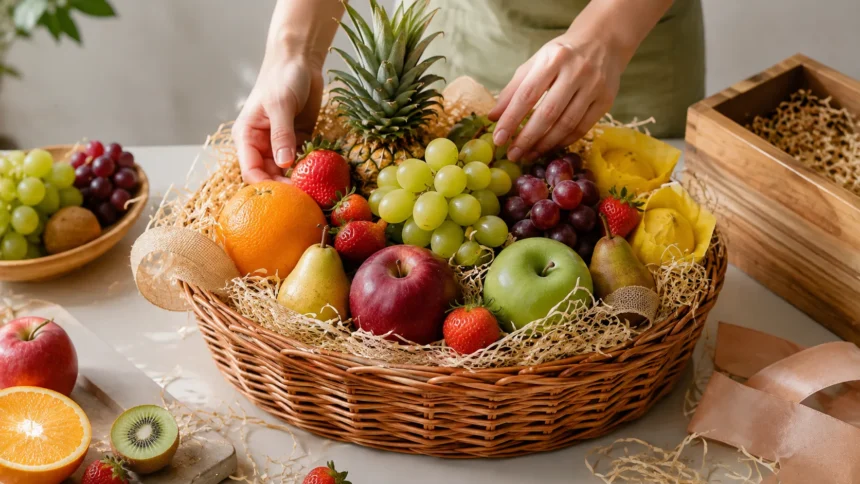
How to Make a Fruit Hamper: Easy Ideas, Tips and Step-by-Step Guide
A beautifully arranged fruit hamper can feel thoughtful, generous, practical, and surprisingly luxurious without being difficult to create. Whether you are preparing a gift for a birthday, anniversary, housewarming, holiday, corporate event, get-well gesture, or simple thank-you, learning how to make a fruit hamper gives you complete control over the look, budget, and contents. You can choose seasonal fruit, include premium varieties, add small extras such as nuts or chocolates, and style the basket around the recipient’s preferences. Unlike many pre-packed gifts, a homemade fruit hamper can be personalized from beginning to end. The key is balancing freshness, color, stability, and presentation so the finished hamper looks abundant rather than randomly filled.
Fruit hampers also work well because they suit many different people and occasions. They can be simple and affordable or designed as premium gifts with exotic fruit, elegant wrapping, and high-quality accessories. A small hamper might contain apples, oranges, grapes, and pears, while a larger version could include pineapple, mango, berries, kiwi, pomegranate, and specialty items. The container itself can also change the style completely, with wicker baskets creating a traditional look and wooden crates, trays, or reusable boxes producing a more modern finish. Once you understand the basic arrangement method, the same principles can be adapted to almost any budget or celebration.
What Do You Need to Make a Fruit Hamper?
The first thing you need is a suitable container. Traditional wicker baskets remain popular because they immediately communicate the idea of a gift hamper, but they are far from the only option. Wooden crates, decorative boxes, shallow trays, reusable storage baskets, and fabric-lined containers can all work beautifully. Choose something wide enough to display the fruit rather than hiding it in a deep container. A shallow base also helps prevent heavy fruit from crushing softer items underneath. Ideally, the recipient should be able to reuse the container afterward, which makes the gift feel more thoughtful and reduces unnecessary waste.
Next, you need a selection of fresh fruit with different shapes, sizes, and colors. Apples, oranges, pears, grapes, kiwi, mangoes, pomegranates, pineapple, and mandarins are dependable choices because they are visually appealing and generally sturdy enough for a hamper. Softer fruit such as berries, peaches, plums, and figs can also be included, but they need more careful handling. The best fruit hamper ideas usually combine larger anchor fruits with medium and smaller items. This creates height and variety while preventing the arrangement from looking flat. Choosing fruit in different colors also makes the hamper feel more abundant even when the total number of items is modest.
You will also need filler material to support the fruit and create a polished base. Shredded paper, tissue paper, wood wool, crinkle-cut paper, clean raffia, or food-safe decorative filler can all be used. The filler prevents fruit from rolling around and helps you raise smaller items to the correct height. Avoid anything damp, heavily scented, dusty, or likely to transfer color onto the fruit. The filler should support the arrangement rather than dominate it. Neutral kraft paper, cream tissue, or natural raffia works well for rustic hampers, while white or colored shredded paper can create a more polished or celebratory appearance.
Wrapping supplies are useful if the hamper will be transported or presented formally. Clear cellophane is commonly used because it protects the arrangement while allowing the fruit to remain visible. You may also need ribbon, twine, a gift tag, scissors, tape, and possibly a decorative bow. If you prefer a more environmentally conscious presentation, reusable fabric wrap, paper sleeves, or an open basket with a simple ribbon can replace plastic cellophane. The important thing is to secure the hamper without compressing the fruit. Packaging should protect the contents while preserving the appearance you worked to create.
Optional extras can make the fruit hamper feel more complete. Nuts, dried fruit, chocolates, tea, honey, crackers, preserves, flowers, small juices, or handwritten cards are popular additions. However, extras should complement rather than overwhelm the fruit, especially if the gift is meant to feel fresh and healthy. Always check for allergies or dietary restrictions before adding nuts, dairy chocolates, or specialty products. If you are creating a corporate hamper, individually packaged products with clear ingredient labels are generally easier for recipients to understand. A few carefully selected extras usually look better than filling every gap with unrelated items.
How to Choose the Best Fruit for a Hamper
Freshness should be your first priority when selecting fruit. Choose pieces that look vibrant, firm, and free from significant bruising, mold, cuts, or soft spots. Fruit does not need to be perfectly uniform because natural variation can make the hamper more attractive, but visibly damaged produce will make the entire gift feel lower quality. For most hampers, fruit that is ripe enough to eat soon but not so ripe that it will spoil during transport is ideal. This is especially important for bananas, peaches, pears, avocados, and mangoes, which can soften quickly. Shopping as close as reasonably possible to the gifting date helps preserve quality.
Sturdy fruit should form the foundation of the basket. Apples, oranges, grapefruits, pomegranates, firm pears, and pineapples can handle more weight than delicate berries or ripe stone fruit. These larger items are useful for building structure because they create height and prevent smaller fruit from disappearing into the filler. A pineapple is particularly effective as a visual centerpiece in a large hamper because its leaves add height and instantly make the display look generous. In a smaller basket, a pomegranate or pair of large oranges can create the same anchoring effect without taking up too much space.
Color matters almost as much as freshness. A basket filled entirely with green apples may be perfectly edible but can look visually plain. Combining red apples, orange citrus, green pears, purple grapes, golden mangoes, and deep-red pomegranates creates natural contrast. You do not need every color of the rainbow, but three or four distinct tones usually make the hamper look intentional. If the basket is designed around a theme, you can also use a limited palette. For example, green grapes, pears, kiwi, and pale apples can create an elegant green-themed hamper, while berries and red apples can support a romantic design.
Seasonality can improve both flavor and value. Fruit that is naturally abundant at the time of gifting is often fresher, more affordable, and better tasting than produce shipped long distances out of season. A summer hamper might include peaches, nectarines, cherries, berries, and melons, while an autumn basket could feature apples, pears, grapes, and pomegranates. Winter hampers work particularly well with citrus, persimmons, apples, and specialty pears. Tropical fruit can be used year-round where available, but the quality should still determine whether it deserves a place in the basket. Seasonal fruit also makes the gift feel more connected to the time of year.
Consider the recipient’s habits before choosing unusual varieties. Exotic fruit such as dragon fruit, passion fruit, rambutan, star fruit, or mangosteen can make a premium hamper exciting, but not everyone knows how to prepare or enjoy them. If you include less familiar items, a small card explaining what they are can be a nice touch. For older recipients or anyone with limited mobility, easy-to-peel and easy-to-eat fruit may be more practical. For families, choose a mix that children and adults can enjoy. The best hamper is not necessarily the most expensive one; it is the one that suits the person receiving it.
How to Make a Fruit Hamper Step by Step
Begin by cleaning and preparing your container. Wipe down a reusable basket, tray, or box and make sure it is completely dry before adding food. If the container has a rough surface, line it with tissue, parchment, or clean paper so delicate fruit does not rub against sharp edges. Add a generous but controlled layer of filler across the base. Build the filler slightly higher toward the back if you want the finished arrangement to have a stepped appearance. This simple height difference makes it easier to display everything clearly instead of creating a flat pile.
Next, position your largest and heaviest fruits. Pineapple, melons, grapefruits, large oranges, and pomegranates generally belong toward the back or center where they can provide structure. Press them gently into the filler so they remain stable without disappearing. If you are using a pineapple, angle it slightly rather than forcing it perfectly upright unless the basket is deep enough to support it. Larger fruits should appear balanced rather than all grouped on one side. This stage establishes the overall shape of the hamper, so spend a moment adjusting the main pieces before adding smaller items.
Add medium-sized fruit around the anchors. Apples, pears, mangoes, oranges, and kiwis are useful for filling the central areas and creating gradual changes in height. Place different colors beside one another so the arrangement has contrast. Avoid stacking too much weight directly on soft fruit or pressing ripe pears tightly against hard surfaces. If an item sits too low, add more filler underneath rather than piling additional fruit on top of it. The goal is to make the basket look full while allowing each type of fruit to remain visible.
Place delicate fruit last. Grapes can be draped gently across the front or side of the hamper, while berry containers should sit near the top where they will not be crushed. Peaches, plums, figs, and other soft fruit should also be supported rather than wedged into narrow spaces. Small fruits can fill visual gaps, but do not force every inch of space to contain something. A little breathing room can make the arrangement look cleaner and more premium. Once everything is positioned, gently test whether the fruit shifts excessively when the basket is moved.
Finish with your decorative elements and wrapping. Add small extras only after the fruit is secure, placing them where labels remain visible and the overall shape stays balanced. Attach a gift tag or handwritten message in a position that does not cover the fruit. If using cellophane, place the entire hamper in the center of a large sheet, gather the material above the basket, and tie it without pressing down on the contents. A wide ribbon, natural twine, or simple bow can complete the presentation. The finished hamper should look generous, fresh, stable, and easy for the recipient to unpack.
How to Arrange a Fruit Hamper So It Looks Professional
A professional-looking hamper usually has a clear visual hierarchy. The largest items act as focal points, medium fruits build volume, and smaller pieces fill gaps and add detail. Without this hierarchy, the basket can look more like groceries placed in a container than a gift arrangement. Start by deciding where you want the eye to land first. This might be a pineapple in the center, a cluster of bright oranges, or an attractive pomegranate surrounded by contrasting fruit. Once the focal point is established, arrange the remaining pieces to support it rather than compete with it.
Height is another important design tool. Hamper displays usually look better when the rear section is slightly taller than the front, creating a gentle slope that allows the recipient to see more of the contents. You can create height with filler rather than stacking heavy fruit directly on other fruit. A shallow box or cardboard support hidden underneath the filler can also raise items safely. Make sure any internal support is stable and completely covered so it does not distract from the presentation. The front of the hamper should remain relatively low so smaller fruit is not hidden.
Use odd-numbered groupings where practical. Three apples or five mandarins often feel more natural visually than perfectly symmetrical pairs, although symmetry can still work for formal hampers. Clusters make the basket feel abundant without looking chaotic. Place similar fruit together in small groups rather than scattering identical items randomly throughout the container. At the same time, avoid creating large blocks of one color unless that is the intended design. Small controlled repetition creates rhythm and helps the eye move around the arrangement.
Balance should be visual as well as physical. If a large pineapple sits at one side, use several medium fruits or a packaged item on the opposite side to balance the visual weight. Dark-colored fruit can also appear heavier than pale fruit, so a small cluster of purple grapes may need lighter items around it. Step back occasionally while arranging the basket rather than viewing everything only from close range. The hamper should look attractive from the direction in which it will be presented. If the basket has a clear front, prioritize that angle while still keeping the sides neat.
Do not overfill the hamper to the point where fruit is unstable or compressed. Luxury often comes from spacing, quality, and careful placement rather than maximum quantity. A smaller number of high-quality fruits arranged beautifully can look more premium than a basket packed so tightly that items are bruised. Use filler to create fullness where necessary rather than treating every gap as a reason to add another piece of fruit. Professional presentation depends on restraint as much as abundance.
Fruit Hamper Ideas for Birthdays and Celebrations
A birthday fruit hamper can be colorful, cheerful, and slightly indulgent. Start with familiar fruit the recipient enjoys and add one or two premium items such as cherries, berries, mangoes, or a small exotic fruit selection. Bright ribbon and a personalized birthday tag can create a festive look without making the basket feel childish. You can also include a small chocolate bar, biscuits, or sparkling non-alcoholic drink if appropriate. The key is keeping the fruit as the main feature while allowing a few celebratory extras to make the gift feel special.
For an anniversary or romantic occasion, use a more refined color palette. Strawberries, red apples, cherries, grapes, pomegranates, and figs can create a rich red and purple theme. Add dark chocolate, a small flower arrangement, or a handwritten note for additional personality. Avoid overloading the basket with heart decorations because the fruit itself can create a sophisticated romantic effect. A dark wicker basket or elegant wooden tray can also make the design feel more luxurious.
Housewarming hampers are an excellent opportunity to combine fruit with useful pantry items. Fresh apples, oranges, pears, and grapes can be arranged alongside tea, coffee, honey, crackers, preserves, or a small jar of nuts. Choose products that are easy to store because the recipient may already be dealing with moving boxes and unpacking. A reusable wooden crate is particularly suitable because it can later serve as household storage. The hamper should feel helpful and welcoming rather than requiring immediate preparation.
For a get-well hamper, prioritize fruit that is easy to eat and store. Seedless grapes, mandarins, apples, pears, berries, and bananas can work well depending on the recipient’s preferences. Avoid foods that conflict with medical dietary restrictions, and remember that certain medications can interact with grapefruit. If you know the person has a medical condition or prescribed diet, it is better to ask or choose a simpler selection rather than make assumptions. A thoughtful card and a modest arrangement are often more appropriate than a large, elaborate gift.
Holiday fruit hampers can incorporate seasonal colors and flavors. Winter baskets can include mandarins, apples, pears, pomegranates, dried fruit, nuts, cinnamon sticks for decoration, and premium chocolates. Spring hampers can feel lighter with berries, citrus, and pastel accents. For culturally specific celebrations, choose packaging and foods appropriate to the recipient rather than relying on generic seasonal themes. Personal relevance is what makes a fruit hamper memorable.
How to Make a Luxury Fruit Hamper
A luxury fruit hamper is less about filling the basket with expensive items and more about carefully controlling quality, variety, and presentation. Choose fruit with excellent color, shape, freshness, and ripeness. Premium pears, large cherries, specialty grapes, mangoes, fresh figs, pomegranates, dragon fruit, and high-quality citrus can create an upscale selection. Remove fruit with obvious bruising or uneven damage before arranging. Luxury presentation depends heavily on consistency, so even relatively ordinary apples can look premium when they are beautifully selected.
The container should also feel substantial. A high-quality wicker basket, wooden presentation box, reusable tray, or fabric-lined crate can elevate the gift immediately. Avoid flimsy containers that bend under the weight of the fruit. Neutral materials such as natural wood, dark wicker, cream fabric, or matte black boxes often create a more sophisticated base than bright plastic. The container does not need to be ornate because the fruit should provide most of the color.
Use restraint with premium extras. A small box of artisan chocolates, quality nuts, honey, tea, preserves, or specialty crackers can make the hamper feel more complete without turning it into a general grocery basket. Keep packaging colors coordinated where possible. If one product has extremely bright branding that disrupts the arrangement, position it slightly lower or toward the side. A luxury hamper should look cohesive even though it contains different items.
Presentation should feel intentional from every visible angle. Use clean filler materials, keep labels facing outward, and avoid exposed tape or excessive plastic. A simple satin ribbon or natural fabric tie can look more elegant than several oversized bows. If using cellophane, make sure it is pulled neatly rather than wrinkled heavily around the basket. A handwritten or professionally printed card can add a personalized finish.
The recipient’s experience after opening the hamper matters too. Arrange fruit so it can be removed without causing the entire display to collapse. Include storage advice if the basket contains especially delicate fruit or items that should be refrigerated quickly. If exotic fruit is included, consider adding a small guide explaining how to cut or eat it. Luxury is partly about reducing inconvenience and making the gift feel thoughtfully considered from beginning to end.
How to Make a Budget-Friendly Fruit Hamper
A beautiful hamper does not require expensive exotic fruit. Seasonal apples, oranges, bananas, pears, and grapes can create an attractive gift when selected carefully and arranged well. The biggest savings usually come from buying fruit that is currently abundant and avoiding imported specialty items. Choose two or three main fruit types and add small amounts of one contrasting variety for color. For example, red apples, oranges, green pears, and a small bunch of purple grapes can create plenty of visual interest at a modest cost.
The container is another area where you can save money. A reusable cardboard gift box, shallow storage basket, clean wooden crate, or sturdy tray can work just as well as an expensive wicker hamper. You can even repurpose an attractive box if it is clean, strong, and suitable for food presentation. Line it with tissue paper or kraft paper to create a finished appearance. Once the fruit is arranged, the container often becomes much less noticeable than expected.
Homemade filler is also inexpensive. Clean shredded kraft paper, tissue paper, or neatly crumpled paper beneath a decorative top layer can provide structure without requiring specialty hamper materials. Avoid newspaper directly against food because ink transfer and appearance can be concerns. The purpose is simply to raise and stabilize the fruit. A small amount of visible decorative filler is enough once the basket is full.
Instead of adding costly packaged extras, include one thoughtful homemade element. A handwritten card, printed recipe using the fruit, or small bunch of herbs can make the basket feel personalized without adding significant expense. If you do include chocolate or nuts, choose one quality item rather than several average products. The hamper should feel intentional rather than crowded.
Presentation has a bigger effect on perceived value than many people realize. Clean fruit, balanced colors, neat wrapping, and a simple ribbon can make a budget basket look considerably more expensive. Avoid trying to hide a small fruit quantity inside an oversized container because the basket may look empty. Choose a container that matches the amount you can comfortably afford. A compact, full-looking hamper almost always looks better than a large, sparse one.
Fruit Hamper Ideas for Corporate and Professional Gifts
Corporate fruit hampers should look polished, practical, and broadly appealing. Choose fruit that is easy to share in an office, such as apples, pears, oranges, mandarins, grapes, and individually portioned berries where appropriate. Extremely ripe or messy fruit can be less convenient in a workplace. If the hamper is being delivered to a team rather than one person, include enough variety that several people can choose something they enjoy. A larger, shallow basket works particularly well for shared office gifts.
Branding should remain subtle. A small company card, printed ribbon, or tasteful tag usually looks more professional than covering the hamper with logos. The gift should feel generous rather than promotional. If the recipient is a client, a short personalized message expressing thanks often creates more impact than excessive branding. Keep the overall design consistent with the professional relationship.
Food allergies and dietary needs deserve additional consideration in corporate gifts. Fruit itself is relatively inclusive, which is one reason it works so well for professional gifting. If you add nuts, chocolates, biscuits, or other packaged products, keep ingredient labels intact and visible. Avoid alcohol unless you know it is culturally, professionally, and personally appropriate. A fruit-focused hamper is often the safer universal option.
Delivery timing matters for professional hampers because fruit is perishable. Arrange delivery on a working day when someone is likely to receive it promptly. Avoid leaving a fresh fruit gift unattended in extreme heat, direct sunlight, or a closed vehicle. If the hamper contains berries or other highly perishable fruit, notify the recipient that some items should be refrigerated. A beautiful arrangement loses its value quickly if it arrives damaged or overheated.
For executive or high-value client gifts, increase quality rather than simply quantity. Premium fruit, excellent packaging, a reusable container, and a carefully written card create a stronger impression than an enormous basket filled with average products. Corporate gifting is often about signaling attention to detail. A thoughtfully designed fruit hamper can communicate that without feeling excessive.
How to Keep a Fruit Hamper Fresh
Fruit hampers should ideally be assembled close to the time they will be gifted. The longer fruit sits packed together, the greater the chance that one overripe item will soften or transfer moisture to nearby pieces. Buying and assembling the hamper one day before delivery is often practical for sturdy fruit. Highly perishable berries, figs, or ripe stone fruit are better added as late as possible. Always inspect everything again before wrapping the final basket.
Keep the assembled hamper away from direct sunlight and heat. A cool room is usually more suitable than a warm kitchen or car. Some fruit benefits from refrigeration, but placing an entire decorative hamper in the refrigerator may not be practical depending on the materials used. If the basket contains berries or cut fruit, refrigeration becomes much more important. Whole sturdy fruit is easier to manage and generally safer for hampers that must remain at room temperature briefly.
Avoid washing fruit long before assembly unless you can dry it completely. Residual moisture can encourage mold and shorten shelf life, especially on berries and grapes. If you do rinse fruit for presentation, dry every piece thoroughly with a clean towel before placing it in the basket. Many people prefer simply selecting clean-looking whole fruit and allowing the recipient to wash it before eating. This can help preserve freshness.
Keep ethylene-producing fruit in mind. Apples, bananas, pears, peaches, and some other fruits naturally release ethylene gas, which can accelerate ripening in nearby produce. This is not usually a major problem for a hamper being gifted and eaten within a short period, but it becomes more relevant if the basket will sit for several days. Very ripe bananas can quickly affect neighboring fruit, so choose them slightly firm if they are included. You can also leave bananas out of formal hampers if stability and appearance are priorities.
Include a small note recommending prompt refrigeration of delicate items where helpful. The recipient may not immediately realize that berries, cut fruit, or other perishables need different storage from apples and oranges. Practical storage information protects the quality of the gift after delivery. A fruit hamper is at its best when appearance and food handling are considered together.
Common Fruit Hamper Mistakes to Avoid
One common mistake is choosing fruit that is already overripe. A soft peach or heavily spotted banana may be delicious today but can become damaged during transport and make the entire basket look less fresh. Select fruit that can survive handling and remain attractive for at least a short period after gifting. Delicate produce should be protected and used sparingly unless the hamper will be delivered immediately.
Another mistake is putting heavy fruit on top of fragile items. Large apples, pineapples, or grapefruits can easily crush berries, figs, grapes, or ripe pears. Build the arrangement from the heaviest pieces upward and place delicate fruit toward the top. Use filler to create height rather than relying on unstable stacking. Structural planning protects both the appearance and edible quality of the hamper.
Too much wrapping can also create problems. Tight cellophane may press against fruit and trap condensation, especially if the temperature changes during transport. Wrap the hamper securely but leave enough room so the contents are not compressed. If the basket will be delivered locally and immediately, an open presentation with ribbon may sometimes be better than completely enclosing it. Packaging should suit the delivery conditions.
Mixing too many unrelated extras can weaken the concept. Fruit, chocolate, candles, toiletries, coffee, flowers, biscuits, and several decorative items in one small basket can make the gift feel confused. Decide whether the hamper is primarily a fruit gift and choose additions that support that idea. One or two complementary extras are usually enough. Clear themes almost always look more sophisticated.
Finally, do not forget the recipient. A beautiful hamper filled with fruit the person dislikes is less successful than a simpler one designed around their preferences. Consider allergies, dietary needs, cultural expectations, household size, and whether the recipient is likely to eat unfamiliar fruit. Personalization matters more than copying a generic hamper photograph exactly.
The Bottom Line on How to Make a Fruit Hamper
Learning how to make a fruit hamper is mostly about combining good-quality produce with thoughtful arrangement. Start with a sturdy container, add clean food-safe filler, and build the display around larger fruits that provide structure. Use medium and small fruit to add variety, color, and fullness. Delicate items should always be placed near the top where they are protected from weight. Once the fruit is stable, finish the hamper with simple wrapping and a personal message.
The best fruit hampers use variety without becoming chaotic. Three or four colors, several different shapes, and a mix of familiar and slightly special fruit can create an abundant appearance. You do not need to buy every fruit available. A carefully selected basket of apples, citrus, pears, grapes, and one premium centerpiece can be more attractive than an overcrowded collection. Balance and freshness should guide every decision.
Presentation can transform inexpensive ingredients. A reusable basket, neat filler, visible fruit, restrained ribbon, and careful positioning can make a homemade hamper look polished and professional. If your budget is limited, spend money on fresh produce rather than unnecessary decorations. The food is ultimately what gives the gift value. Thoughtful arrangement simply makes that value easier to see.
Practical considerations are equally important. Use fruit that can withstand transport, keep the hamper cool, and avoid trapping excess moisture. Add delicate fruit shortly before gifting and tell the recipient if anything needs immediate refrigeration. If the basket contains unfamiliar fruit, storage or serving guidance can make the gift even more useful. A good hamper should be as enjoyable to eat as it is to look at.
Ultimately, a homemade fruit hamper works because it combines personalization with simplicity. It can be adjusted for birthdays, corporate gifts, holidays, thank-you presents, housewarmings, or everyday gestures without requiring specialist equipment. Choose fruit the recipient will genuinely enjoy, arrange it with care, and resist the temptation to overcomplicate the design. Those simple choices are usually what make a fruit hamper feel generous, stylish, and memorable.
Frequently Asked Questions
What fruit should I put in a fruit hamper?
Apples, oranges, pears, grapes, mangoes, kiwi, pomegranates, and pineapple are excellent choices because they provide a mix of color, size, and durability. Softer fruit such as berries or peaches can be added near the top shortly before gifting.
How far in advance can I make a fruit hamper?
For the freshest results, assemble the hamper about one day before gifting when using sturdy whole fruit. Add berries and other highly perishable items as close to delivery time as possible.
What can I use instead of a traditional hamper basket?
Wooden crates, decorative boxes, trays, reusable storage baskets, and fabric-lined containers all work well. Choose a container that is sturdy, shallow enough to display the fruit, and appropriate for the amount you are including.
How do you stop fruit from moving in a hamper?
Use shredded paper, tissue, raffia, or another clean food-safe filler around and beneath the fruit. Place heavy items first and gently support smaller pieces so they do not roll during transport.
What extras can I add to a fruit hamper?
Popular additions include nuts, dried fruit, chocolates, honey, tea, crackers, preserves, and a personalized card. Keep extras limited so the fruit remains the main focus of the gift.