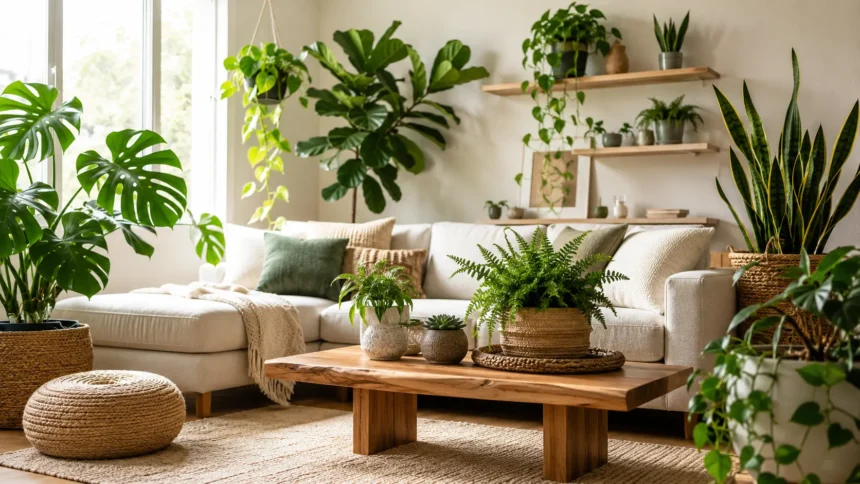
Freshen Your Home With Beautiful Plant Decor Ideas
Plants can completely change the atmosphere of a home without requiring an expensive renovation or major design project. A few thoughtfully positioned houseplants can introduce color, natural texture, softness, and visual movement into rooms that otherwise feel plain or unfinished. Whether your interior style is modern, minimalist, bohemian, rustic, or traditional, home decor ideas using plants can help create spaces that feel more inviting and connected to nature. The key is choosing greenery that complements the room instead of simply filling every available surface.
Indoor plants are also incredibly flexible decorative elements because they can work in almost every part of the home. Large floor plants can anchor empty corners, trailing plants can soften shelves, compact pots can brighten desks, and statement planters can function almost like decorative sculptures. Unlike many accessories, plants naturally change and grow over time, giving interiors a dynamic quality. This makes indoor plant decor particularly appealing to people who want their homes to feel fresh rather than overly staged.
Successful decorating with plants requires more than buying whatever looks attractive at the garden center. Light conditions, available space, humidity, maintenance requirements, pets, and your normal routine should influence which plants you choose. A dramatic tropical plant may look beautiful online but struggle in a dark hallway, while a low-maintenance variety may work perfectly in a busy household. Matching plants with realistic growing conditions creates better-looking decor and healthier greenery.
Containers also play an important role in the final appearance. Ceramic pots, woven baskets, terracotta planters, stone finishes, glass containers, and sleek modern vessels can each create a different mood. Coordinating planters with furniture and other decorative materials helps greenery feel like an intentional part of the design rather than an afterthought. You do not need identical containers everywhere; a consistent color palette or material family is often enough to create visual harmony.
The best plant decor ideas for home interiors combine beauty with practicality. Instead of covering every shelf with greenery, focus on places where plants can solve a design problem, such as an empty corner, bare windowsill, unused wall, or overly structured shelving unit. The following ideas will help you use plants throughout your home in ways that feel stylish, balanced, and naturally refreshing.
Create a Statement With Large Floor Plants
Large indoor plants can instantly give a room greater presence because their height fills vertical space that smaller accessories cannot easily reach. Plants such as fiddle-leaf figs, rubber plants, palms, bird of paradise, and larger monstera varieties can become natural focal points when positioned thoughtfully. A single substantial plant often has more visual impact than several small pots scattered around the room, making it an effective choice for modern plant decor.
Empty corners are particularly suitable for floor plants. Living rooms often contain awkward spaces beside sofas, entertainment units, fireplaces, or windows that are too narrow for furniture but too noticeable to leave completely bare. A tall plant can fill this space while introducing softness between hard architectural lines. The result feels intentional without making the room unnecessarily crowded.
Choose a planter that suits both the plant and the scale of your furniture. A large plant placed inside a tiny-looking container can feel visually unbalanced, while an oversized decorative pot may overwhelm a smaller room. Woven baskets can introduce warmth and texture, while matte ceramic or stone-style pots create a cleaner contemporary appearance. Always make sure the practical growing container has suitable drainage even when it sits inside a decorative outer planter.
Positioning matters because a statement plant should have enough room for its natural shape to remain visible. Avoid squeezing broad leaves tightly between furniture where they become damaged or visually cramped. Giving the plant some breathing space helps it function more like a living sculpture. If the room is compact, select a plant with a narrower upright growth habit instead of one that spreads widely.
Light should ultimately determine where the plant lives. A beautifully styled corner will not remain attractive if the plant receives unsuitable conditions and begins declining. Check the natural light available throughout the day before selecting a variety. Combining design decisions with plant-care requirements allows large indoor plants for home decor to remain healthy enough to provide lasting visual impact.
Style Shelves With Trailing and Compact Plants
Shelves are perfect for incorporating plants because greenery can break up rows of books, photographs, candles, and decorative objects. Small plants add color without consuming large amounts of space, while trailing varieties create movement by cascading over shelf edges. This makes plants particularly useful for styling bookcases and open shelving that otherwise feels rigid or overly symmetrical.
Trailing plants such as pothos, heartleaf philodendron, and certain peperomia varieties can soften straight horizontal shelves. Their stems naturally create irregular shapes that contrast with books and rectangular storage boxes. Allowing a vine to fall from an upper shelf can also draw the eye downward and connect different levels of the display. This technique works especially well in living room plant decor.
Avoid placing a plant on every shelf. Too much greenery can make a carefully styled unit look cluttered rather than fresh. Instead, alternate plants with books, ceramics, framed photographs, and open negative space. A balanced arrangement gives each object enough visual importance and allows the plants to provide accents rather than becoming repetitive.
Vary the heights and forms of the plants you use. One shelf might feature a compact upright plant, while another contains a trailing variety. Small pots can also be elevated on stacked books or stands to create additional layers. This variation prevents the display from looking too uniform and gives the arrangement a more relaxed, collected appearance.
Remember that shelves may receive different amounts of light depending on their height and distance from windows. The top of a bookcase might receive bright indirect light while lower shelves remain relatively dark. Select plant varieties according to the exact location rather than assuming everything on the same shelving unit receives identical conditions. Healthy plants naturally make shelf decor with greenery look more attractive.
Decorate Windows With Greenery
Windows naturally connect indoor spaces with the outdoors, making them excellent places to incorporate plant decor. A collection of plants near a bright window can create a small indoor garden while emphasizing natural light. Depending on the size of the windowsill, you can use compact pots, herbs, succulents, or taller plants positioned beside the window instead of directly on it.
Window styling works particularly well in kitchens, bedrooms, and living rooms where natural light is already an important part of the design. Several small plants can create a layered arrangement when their heights differ slightly. Rather than lining identical pots across the sill, combine different shapes and leaf textures while maintaining a consistent planter palette for a more intentional look.
Be careful about direct sunlight because not every houseplant can tolerate intense exposure. A south- or west-facing window may become much brighter and hotter than expected, while other orientations provide gentler light. Check the needs of each plant before placing it directly against the glass. Curtains and blinds can also influence how much light reaches the leaves during the day.
Hanging plants can extend window greenery vertically without taking up valuable floor or sill space. Suspended planters positioned near suitable natural light can create an attractive cascading effect, particularly when used with trailing plants. Make sure hooks and ceiling fixtures are properly installed because wet soil and ceramic pots can become considerably heavier than they appear.
Using windows for indoor greenery decor also helps emphasize seasonal changes outdoors. Plants inside can visually connect with garden views, trees, or balconies beyond the glass, creating a stronger sense of nature throughout the room. When arranged carefully, window plants make the transition between indoors and outdoors feel softer and more cohesive.
Use Hanging Plants to Add Height and Movement
Hanging plants are ideal when floor and surface space is limited because they allow greenery to occupy unused vertical areas. They can work above side tables, in corners, near windows, or alongside shelving, creating a layered appearance without crowding furniture. This makes hanging greenery particularly useful in apartments and smaller homes where every square foot matters.
Trailing varieties create the strongest visual effect because their stems naturally fall downward from the planter. Pothos, philodendrons, spider plants, and other cascading houseplants can create beautiful flowing shapes as they mature. Their movement contrasts with straight walls and furniture, making rooms feel softer and more relaxed.
The style of the hanging planter can reinforce the rest of the interior. Macramé holders work naturally in bohemian spaces, while simple ceramic planters and minimalist cords suit contemporary rooms. Metal hangers may complement industrial interiors, and woven materials can bring warmth to Scandinavian or rustic spaces. The plant and container should feel like one decorative element.
Placement should remain practical. Avoid hanging plants directly above frequently used seating or walkways where watering could become inconvenient. Make sure you can reach the planter safely for maintenance rather than creating a beautiful display that requires climbing onto unstable furniture every week. A decorative idea becomes successful only when it remains manageable over time.
Hanging greenery is one of the easiest ways to add vertical plant decor to an interior. It draws attention upward, makes ceilings feel more visually interesting, and introduces nature into areas where traditional furniture would not fit. Even one carefully positioned hanging plant can transform an otherwise empty corner into a deliberate design feature.
Turn an Empty Corner Into a Mini Indoor Garden
Empty corners can make a room feel unfinished, especially when the surrounding furniture leaves a noticeable gap. Instead of adding another table or decorative object, consider creating a small plant grouping. Combining two or three plants at different heights can turn unused space into an attractive indoor garden without requiring a major decorating investment.
Begin with one taller plant to create the main vertical element. Add a medium-sized variety beside it and a smaller pot closer to the front. This creates a natural stepped arrangement where every plant remains visible. Plant stands or stools can also help adjust height when several plants are naturally similar in size.
Mix leaf shapes to make the grouping more interesting. Broad tropical foliage can be paired with finer leaves or a more upright plant to create contrast. Using several plants with nearly identical shapes may make the corner look repetitive. Different foliage textures produce greater depth even when every plant uses similar shades of green.
Keep the containers visually connected. They do not need to match exactly, but using related colors or materials creates enough consistency to stop the collection from appearing random. For example, a mix of neutral ceramics, terracotta pots, or woven baskets can create variety while preserving a coordinated appearance.
A plant corner decor idea works best when every plant receives suitable light. One corner may look perfect from a furniture perspective but remain too dark for the varieties you selected. Evaluate natural conditions first and then build the arrangement around plants capable of thriving there. Healthy foliage will always look more decorative than a larger collection struggling in unsuitable conditions.
Bring Plants Into the Bedroom for a Calmer Look
Bedrooms often benefit from natural materials because the room should feel comfortable and visually restful. Plants can soften bedside tables, dressers, window areas, and empty corners without introducing excessive decoration. A small amount of greenery can make the bedroom feel fresher while maintaining the peaceful atmosphere needed for relaxation.
Use a statement plant when the bedroom has enough floor space. A tall plant beside a dresser, reading chair, or window can fill an empty area without requiring additional furniture. In smaller bedrooms, compact plants on shelves or bedside tables can create the same natural effect at a reduced scale.
Keep the arrangement relatively simple. Bedrooms generally feel more relaxing when surfaces are not overcrowded with decorative objects. One attractive plant beside a lamp can have greater impact than several tiny pots competing with books, chargers, photographs, and everyday items. Intentional simplicity keeps bedroom plant decor visually calming.
Planter colors can complement bedding and furniture. Neutral pots work with almost any palette, while terracotta adds warmth and darker containers create stronger contrast against light walls. Woven baskets can make larger plants feel softer and connect naturally with wood furniture, linen fabrics, and other tactile bedroom materials.
Choose plants according to bedroom conditions rather than claims that one particular species will dramatically transform indoor air overnight. Focus on aesthetics, manageable maintenance, and appropriate light. A plant that grows well in the available conditions will provide a more attractive and sustainable decorative feature than one selected solely because of exaggerated wellness promises.
Add Fresh Greenery to the Kitchen
The kitchen is a natural place for plants because greenery provides contrast against cabinets, countertops, tile, and metal appliances. Even compact kitchens can usually accommodate a small herb pot, hanging plant, or windowsill arrangement. Plants make functional spaces feel more lived-in and can help soften interiors dominated by hard surfaces.
Herbs are particularly suitable because they combine decoration with practical use. Basil, mint, parsley, rosemary, and other culinary plants can look attractive while providing fresh ingredients when growing conditions are appropriate. Position them near suitable light and use containers that can tolerate regular watering without damaging countertops or windowsills.
Open shelves can also provide opportunities for kitchen plant decor. A trailing plant placed among bowls, cookbooks, and ceramics introduces a natural element without using valuable preparation space. Keep plants away from areas where heat, grease, or steam may create difficult conditions, particularly directly beside cooktops.
Consider unused areas above cabinets if they receive enough light and remain accessible for watering. Trailing greenery can soften the visual gap between cabinetry and ceiling, although maintenance may become inconvenient when plants are positioned too high. Artificial greenery may occasionally be more practical in inaccessible decorative areas, while living plants deserve locations where they can actually be cared for properly.
A kitchen does not need to become an indoor greenhouse to benefit from plants. One herb arrangement, windowsill plant, or trailing pot can create enough freshness to change the room’s atmosphere. The strongest green kitchen decor ideas integrate naturally with how the space is used instead of taking over work surfaces.
Refresh the Bathroom With Humidity-Loving Plants
Bathrooms can become surprisingly attractive places for greenery because plants soften tile, mirrors, glass, stone, and other hard materials. A small plant near the sink, a trailing variety on a shelf, or a larger floor plant can introduce color into spaces that often rely heavily on neutral finishes. Green foliage also works naturally with spa-inspired bathroom design.
Humidity can benefit certain plant varieties, but bathrooms still need sufficient light. A room with no window may not support most living plants without an appropriate grow light, regardless of how humid it becomes. Choose plants according to both moisture conditions and available brightness rather than assuming every tropical variety automatically belongs in a bathroom.
Shelves and vanity surfaces are useful for compact plants, particularly when counter space allows. Keep pots away from areas where they interfere with everyday toiletries and cleaning. Hanging plants can work especially well because they add greenery while preserving functional surfaces. Position them where leaves will not constantly become soaked by shower spray.
Decorative containers can reinforce a spa-like appearance. Simple ceramic pots, stone textures, natural wood accents, and woven materials pair well with bathroom greenery. Try repeating colors already present in towels, tiles, or cabinetry so the plants feel integrated with the overall scheme rather than added separately.
Bathroom plant decor can make a functional room feel warmer and more relaxing, but maintenance should remain realistic. Check plants regularly for drainage problems and avoid allowing containers to damage moisture-sensitive surfaces. When the right plant is matched with the right conditions, even a small bathroom can gain a noticeably fresher character.
Use Plants as Natural Table Centerpieces
Plants can provide an alternative to traditional floral centerpieces on dining tables, coffee tables, and side tables. Unlike cut flowers, a healthy potted plant can remain part of the decor for months or years. Compact greenery also adds color without requiring constant replacement, making it an appealing choice for everyday styling.
Scale is important on dining tables because a centerpiece should not block conversation. Choose low-growing plants or small arrangements that allow people seated opposite each other to maintain comfortable eye contact. One elegant container can work beautifully, or several very small pots can be grouped on a tray for a more layered display.
Coffee tables can support slightly more decorative arrangements. Pair a plant with books, a bowl, candle, or sculptural object rather than filling the entire surface. The greenery adds organic texture while the other objects provide structure. Keeping some empty space ensures the table remains useful instead of turning into a permanent display platform.
Succulents and compact foliage plants are popular for tabletop plant decor, but selection should still depend on light. A coffee table positioned far from windows may not support the same plant as a sunny dining table. Rotate plants only when necessary and avoid treating living greenery like decorations that can permanently survive anywhere.
Containers can make tabletop plants feel more sophisticated. A simple sculptural pot or coordinated tray can turn an ordinary houseplant into a deliberate centerpiece. Because these arrangements are viewed at close range, subtle details such as leaf shape, pot texture, and surrounding accessories can make a significant visual difference.
Decorate Walls With Plant Shelves and Living Displays
Walls provide another opportunity to introduce greenery when floor space is limited. Floating shelves can hold small plants alongside framed art, ceramics, and books, creating a layered display that uses vertical space efficiently. This strategy is particularly useful above desks, consoles, and other areas where the wall might otherwise remain empty.
A series of small wall-mounted planters can create a stronger botanical statement. Rather than scattering them randomly, arrange containers according to a simple grid, vertical column, or deliberately irregular composition. Keeping planter styles consistent helps the display look intentional even when the plants themselves have different shapes.
Living walls provide a more dramatic interpretation of green wall decor, but they require greater planning and maintenance. Irrigation, drainage, lighting, plant selection, and long-term access all need consideration. Smaller modular living-wall systems can provide a similar visual impact without requiring an entire room to be redesigned around the installation.
Trailing plants can also interact with wall art. A shelf positioned slightly above a framed print can allow foliage to cascade naturally beside the artwork, creating an interesting contrast between living and static decorative elements. Make sure vines do not trap moisture against walls or damage surfaces as they grow.
Wall-based greenery works best when the plants remain accessible. A display positioned beautifully but too high for convenient watering may quickly become frustrating. Design with maintenance in mind from the beginning. The most successful plant wall ideas for interiors combine visual interest with a setup that remains easy enough to care for regularly.
Match Planters With Your Interior Design Style
Planters have almost as much influence on plant decor as the greenery itself. The same houseplant can look completely different in a terracotta pot, glossy ceramic vessel, woven basket, or minimalist concrete container. Choosing planters that reflect your existing interior style helps plants feel integrated rather than randomly placed around the home.
Modern interiors often work well with simple forms, neutral colors, and clean finishes. Matte ceramic, stone-style, or streamlined metal planters can reinforce the uncluttered aesthetic. Minimalist homes may use fewer plants overall but give each one enough visual space to become an intentional design feature.
Bohemian spaces can support a wider mix of materials and patterns. Terracotta, woven baskets, macramé hangers, vintage pots, and handmade ceramics can create a relaxed collected appearance. Because bohemian interiors already contain multiple textures, plant containers can vary more freely while still feeling cohesive.
Rustic and farmhouse interiors often benefit from warm natural finishes. Aged terracotta, woven baskets, simple ceramic pots, and weathered containers can complement wood furniture and softer textiles. Scandinavian interiors may use similar natural materials but usually with a lighter, more restrained palette. Matching decorative plant pots with surrounding furniture creates stronger visual consistency.
Regardless of style, always separate decorative appearance from horticultural needs. Beautiful outer containers may not contain drainage holes, so plants can remain inside appropriate nursery pots placed within them. This protects both plant health and furniture surfaces while allowing you to choose containers primarily for their decorative value.
Combine Plants With Natural Materials
Plants feel especially cohesive when paired with other natural materials such as wood, stone, linen, rattan, jute, and clay. These textures reinforce the connection with nature and can prevent greenery from looking isolated within a room. Even contemporary spaces can benefit from this combination because natural surfaces soften glass, metal, and polished finishes.
Wood furniture provides one of the easiest pairings. A leafy plant beside a wooden console or chair creates an attractive contrast between green foliage and warm grain. Light woods can create a relaxed Scandinavian feel, while darker woods give greenery a richer and more dramatic background.
Woven baskets can hide practical nursery pots while introducing texture. They work particularly well with larger floor plants and help the container feel more like furniture or decor. Jute rugs, rattan chairs, and woven lighting can repeat similar textures elsewhere in the room, creating a cohesive biophilic home decor approach.
Stone and ceramic materials create another natural pairing. Neutral pottery can keep the focus on leaf shape while still adding subtle texture. Terracotta introduces warmer tones that complement both green leaves and wooden furniture. Mixing a few related natural materials often feels more sophisticated than using one identical planter style everywhere.
The purpose is not to transform the home into a literal outdoor environment. Instead, natural materials and greenery can introduce enough organic texture to balance highly manufactured surfaces. A measured combination creates warmth and visual comfort while preserving the overall style of the room.
Choose Low-Maintenance Plants for Easier Decorating
Plant decor is most enjoyable when maintenance fits naturally into your lifestyle. If you travel frequently, forget watering schedules, or have limited experience with houseplants, begin with forgiving varieties rather than selecting demanding plants purely because they look impressive. A healthy simple plant will always enhance a room more than a difficult one that is constantly struggling.
Pothos, snake plants, ZZ plants, and certain philodendrons are often chosen because they can tolerate a range of indoor conditions, although every plant still has basic care requirements. Understanding light and watering is more important than assuming any variety is completely indestructible. Even low-maintenance plants can decline when continuously overwatered or placed in unsuitable conditions.
Group plants with similar care requirements where practical. If several plants need similar light and watering patterns, maintaining them becomes easier. This approach also reduces the likelihood of accidentally treating every plant exactly the same despite different needs. A simple care routine helps keep easy indoor plants for home decor looking attractive over the long term.
Do not choose too many plants at once. Beginning with several manageable plants gives you time to understand how light changes throughout your home and how quickly soil dries. You can gradually add more greenery once maintaining the initial collection feels easy. Buying twenty plants in one weekend can quickly turn an enjoyable decorating project into another household responsibility.
Healthy plants create the strongest decorative effect because good foliage naturally looks vibrant and intentional. Dust leaves occasionally, remove damaged growth, rotate plants when needed, and adjust watering according to conditions rather than following a rigid calendar. Basic care keeps your plant decor fresh without requiring your home to become a full-time gardening project.
Final Thoughts on Decorating Your Home With Plants
Using plants in home decor is one of the simplest ways to refresh an interior without replacing furniture or undertaking a major renovation. Greenery adds color, organic shapes, height, texture, and movement while helping spaces feel more connected with nature. From large floor plants to small shelf arrangements, home decor ideas using plants can work in rooms of almost every size and style.
Start with the areas that currently feel empty or visually unfinished. A tall plant may complete a living-room corner, trailing greenery can soften shelving, and a few herbs can add life to a kitchen window. Decorating strategically usually creates a stronger result than buying many plants without deciding where they will go.
Choose containers with the same care you give other decorative accessories. Materials, color, texture, and scale influence whether plants blend naturally with the room. Coordinating planters loosely with existing furniture and finishes creates visual consistency while still allowing each plant to have its own character.
Always allow plant health to influence design decisions. Light, drainage, watering, humidity, and available space matter more than finding the theoretically perfect decorative position. A thriving plant will naturally become more beautiful as it grows, while unhealthy greenery quickly loses its decorative appeal.
Ultimately, decorating with indoor plants should make your home feel fresher, warmer, and more personal. Begin with a few suitable varieties, experiment with height and placement, mix greenery with natural materials, and allow your collection to grow gradually. Thoughtful plant styling can transform ordinary rooms into spaces that feel lively, balanced, and comfortably connected to nature.
What are the best plants for home decor?
Popular choices include pothos, monstera, snake plants, ZZ plants, rubber plants, philodendrons, palms, and compact peperomia varieties. The best option depends on your available light, space, maintenance preferences, and household conditions.
Where should I place plants in my living room?
Use large plants in empty corners, smaller plants on shelves and side tables, and trailing varieties on higher surfaces. Always consider natural light and make sure the plant has enough room to grow without interfering with furniture.
How can I decorate a small home with plants?
Use hanging planters, floating shelves, windowsills, narrow plant stands, and compact varieties to add greenery without using much floor space. A few carefully positioned plants can create more impact than many small pots.
How do I make indoor plants look stylish?
Choose planters that complement your interior, vary plant heights and leaf shapes, group greenery thoughtfully, and leave enough empty space around displays. Combining plants with wood, ceramics, baskets, and other natural materials can create a cohesive look.
Can I decorate dark rooms with real plants?
Some plants tolerate lower light better than others, but every living plant still requires suitable light to survive. Evaluate the actual conditions carefully and consider an appropriate grow light when natural daylight is insufficient.