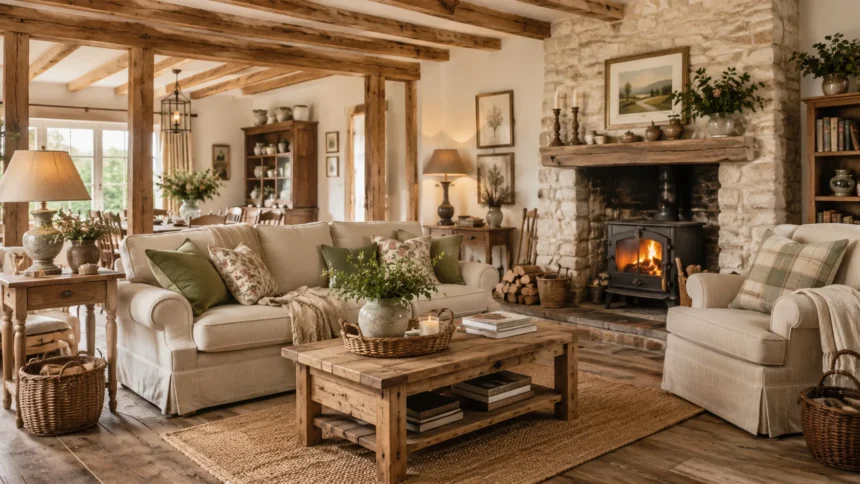
What Is Country Interior Design? A Guide to Warm, Timeless Homes
Country interior design is a warm, comfortable decorating style inspired by rural homes, traditional craftsmanship, nature, and the idea that a house should feel lived in rather than perfectly staged. Natural wood, stone, soft fabrics, vintage furniture, practical storage, and inviting colors usually play important roles in creating the look.
Unlike highly polished contemporary interiors, country homes often celebrate materials that become more beautiful with age. A scratched wooden table, slightly faded rug, antique cabinet, handmade ceramic bowl, or linen curtain can add character rather than appearing imperfect. These details create the sense that a home has developed naturally over time.
Country style is also broader than farmhouse decor. English country, French country, American country, cottage style, and rustic country interiors all interpret rural living differently. Some look colorful and traditional, while others feel light, relaxed, understated, or slightly more sophisticated.
The modern approach is less about copying an old farmhouse and more about creating comfort, authenticity, and connection with natural materials. Whether you live in a countryside cottage, suburban house, apartment, or modern new build, country design principles can make rooms feel warmer, softer, and more personal.
What Does Country Interior Design Mean?
Country interior design takes inspiration from traditional rural homes where rooms evolved around everyday living rather than decorating trends. Furniture was expected to be practical, materials were often locally available, and objects were repaired or reused rather than replaced whenever their appearance changed.
This history explains why country home decor often includes sturdy wooden furniture, woven baskets, natural textiles, handmade objects, pottery, vintage pieces, and practical storage. Instead of everything matching perfectly, rooms commonly contain items acquired at different times.
Comfort is another defining feature. Sofas invite you to sit rather than admire them from a distance, dining tables feel ready for family meals, and bedrooms use layers of soft bedding rather than appearing overly formal. The atmosphere is generally welcoming rather than intimidating.
Country design therefore represents more than a list of decorative objects. It is an approach to creating a home that feels grounded, useful, relaxed, and connected with the natural world while allowing signs of age and everyday life to become part of its character.
What Are the Main Features of Country Interior Design?
Natural materials are one of the strongest characteristics of country-style interiors. Wood, stone, brick, linen, wool, cotton, rattan, ceramic, and aged metal bring texture into the home while creating a connection with traditional building and decorating methods.
Furniture usually feels solid and comfortable rather than delicate or highly futuristic. Wooden dining tables, upholstered armchairs, dressers, benches, sideboards, and storage cupboards often become important pieces because they combine practicality with visual warmth.
Country rooms also tend to use layered decoration. Rugs, curtains, cushions, quilts, books, ceramics, artwork, baskets, plants, and small collections create depth without needing every item to belong to the same furniture range.
The final characteristic is personality. A successful country home rarely feels copied directly from a showroom. Family pieces, vintage finds, handmade objects, photographs, artwork, and useful everyday belongings help the interior feel personal and naturally collected.
What Colors Define Country Interior Design?
Country color palettes usually take inspiration from landscapes and natural materials. Warm whites, cream, beige, mushroom, soft brown, muted green, dusty blue, terracotta, ochre, and gentle gray can all create an earthy foundation.
These colors do not need to be pale. Deep olive, forest green, navy, burgundy, tobacco brown, and warm red can make country interiors feel richer and more intimate, particularly in dining rooms, libraries, bedrooms, and traditional living rooms.
The key is avoiding colors that feel disconnected from everything else. A muted green can relate naturally to wood, stone, floral fabric, and garden views, while a warm cream provides a quiet background for antique furniture and patterned textiles.
A good country interior color palette feels layered rather than overly coordinated. Several related shades can appear across paint, upholstery, rugs, curtains, and accessories, allowing the room to develop depth while maintaining a calm visual connection.
Why Natural Wood Is Essential to Country Style
Wood brings warmth, texture, and visible craftsmanship into country interiors. Oak, pine, walnut, reclaimed timber, and other natural woods can appear in flooring, furniture, ceiling beams, shelving, doors, cabinetry, and decorative details.
Perfectly uniform wood is not necessary. Knots, grain variation, small marks, and aged finishes often add more character because they remind you that the material came from nature and has developed over time.
Wooden furniture also creates an effective foundation for softer elements. A sturdy dining table becomes more inviting when surrounded by upholstered chairs, while timber cabinetry can be balanced with linen curtains, ceramic dishes, and woven baskets.
Avoid forcing every wooden element to match exactly. Rustic country interiors often look more natural when different wood tones coexist, provided they share enough warmth or visual relationship to avoid making the room feel disconnected.
How Stone and Brick Add Country Character
Stone is closely associated with rural architecture because it has historically been used for floors, walls, fireplaces, and structural details. Bringing natural or stone-inspired surfaces indoors immediately adds texture and a feeling of permanence.
A stone fireplace can become the focal point of a country living room, while limestone or flagstone-inspired flooring can create a practical foundation for kitchens, hallways, and utility areas. Smaller homes can introduce stone through countertops, hearths, or decorative accessories.
Exposed brick offers a slightly different character. Its warmer color and irregular texture can suit farmhouse, cottage, industrial-country, and rustic interiors, particularly when balanced with softer fabrics and wooden furniture.
You do not need to cover every wall with rustic material. One strong architectural feature often creates enough country house character, allowing surrounding surfaces to remain simpler so the natural texture receives the attention it deserves.
What Furniture Works Best in a Country Home?
Country furniture should look as though it can survive everyday life. Solid wooden tables, comfortable sofas, upholstered armchairs, benches, dressers, sideboards, bookcases, and practical storage pieces usually fit better than extremely delicate or sharply futuristic furniture.
Avoid buying an entire matching set whenever possible. A farmhouse table can work with painted chairs, an antique dresser, and a newer cabinet if their proportions and colors feel comfortable together. Slight variation creates the collected quality associated with authentic country homes.
Vintage and antique furniture works particularly well because age brings patina, craftsmanship, and history. A scratched tabletop or faded finish does not always need complete restoration; sometimes those marks are exactly what gives the piece personality.
Modern furniture can also be included. The best modern country interior design often combines traditional pieces with cleaner contemporary furniture, preventing the home from feeling like a historical recreation while preserving warmth and character.
How to Use Vintage and Antique Pieces
Antiques make country rooms feel established rather than recently purchased. Old wooden cabinets, farmhouse tables, mirrors, stools, artwork, ceramic collections, clocks, trunks, and sideboards can introduce history without requiring a house to be genuinely old.
You do not need museum-quality antiques. Flea-market pieces, inherited furniture, secondhand finds, and ordinary vintage household objects may actually feel more appropriate because country style traditionally developed around practical items that were repeatedly used.
Mixing eras is usually more successful than trying to make every object historically accurate. A nineteenth-century dresser can sit beside a modern lamp, while vintage artwork can hang above a newly purchased sofa if colors and proportions create enough visual connection.
The goal is to create a collected country interior rather than an antique shop. Choose fewer objects that have strong character and give them enough space to be noticed instead of covering every surface with old items simply because they look traditional.
What Fabrics and Textures Suit Country Interiors?
Natural fabrics are ideal for country decorating because they contribute softness without feeling overly formal. Linen, cotton, wool, leather, velvet, and woven fibers can appear in curtains, sofas, cushions, rugs, throws, bedding, and upholstered chairs.
Patterns can include florals, checks, stripes, botanical prints, small-scale motifs, and traditional designs. English country interiors may use several patterns together, while more restrained modern country homes may limit pattern to curtains, cushions, or one statement chair.
Layering is important. A linen sofa with wool cushions, a textured throw, woven rug, and patterned curtain creates much more depth than relying on color alone. Every surface contributes a slightly different tactile quality.
Successful country-style textiles should make the home feel comfortable rather than excessively decorated. Leave some fabrics plain so patterned pieces have room to stand out, and repeat several colors across different textiles to keep the overall room cohesive.
How Patterns Bring Country Interiors to Life
Floral patterns are strongly associated with country decorating because they reflect the style’s connection with gardens and nature. They can appear on wallpaper, curtains, cushions, upholstery, bedding, table linens, and artwork.
Checks and stripes provide structure beside softer botanical patterns. A floral chair can sit comfortably beside striped cushions or checked curtains when several colors repeat across the different designs.
Pattern scale matters. Combining one larger botanical print with a smaller check and a narrow stripe tends to feel more balanced than using several equally bold patterns competing for attention.
You can also create a quieter country decorating scheme by limiting pattern to one area. A floral wallpapered bedroom, patterned rug, or set of curtains can provide enough traditional character while the remaining furniture and textiles stay relatively simple.
What Is English Country Interior Design?
English country interior design is known for layered comfort, traditional furniture, antiques, floral and botanical patterns, books, artwork, natural materials, and rooms that feel as though they evolved through generations rather than being decorated all at once.
English country rooms are often less coordinated than people expect. A patterned sofa, antique table, floral curtains, old paintings, bookshelves, and contemporary lamp can exist together because the overall atmosphere values personality and history over perfect matching.
Colors can range from gentle greens and creams to deeper reds, blues, browns, and yellows. Wooden furniture, stone fireplaces, exposed beams, traditional rugs, and decorative ceramics further reinforce the connection with older rural houses.
The style works especially well for people who enjoy collecting. Instead of hiding books, artwork, inherited furniture, and everyday objects, English country decorating allows these pieces to remain visible and become part of the home’s visual story.
What Is French Country Interior Design?
French country interior design blends rustic materials with a softer sense of elegance. It often combines aged wood, natural stone, painted furniture, linen, curved furniture shapes, antique-inspired details, and a palette influenced by the French countryside.
Colors commonly include warm white, cream, muted blue, sage, lavender, soft gray, faded yellow, and natural wood. The effect is generally lighter and more romantic than many traditional English country interiors.
Furniture may include carved legs, gently curved chairs, painted cabinets, large dining tables, and antique or vintage pieces with visibly aged finishes. Decorative ironwork, ceramic vessels, linen curtains, and understated floral patterns can add further character.
The best French country rooms balance refinement with imperfection. A graceful chandelier can hang above a rustic table, while elegant upholstery can sit beside weathered timber. This contrast prevents the interior from becoming either overly formal or excessively rustic.
Country Style vs Farmhouse Style: What’s the Difference?
Country and farmhouse design overlap significantly because both draw from rural living, natural materials, practical furniture, and traditional architecture. This is why the two terms are often used interchangeably in everyday decorating conversations.
Farmhouse interior design usually places greater emphasis on functional agricultural homes. Large wooden tables, apron-front sinks, open shelving, practical storage, simple cabinetry, exposed beams, and utilitarian materials are familiar farmhouse features.
Country design is broader and can include English, French, cottage, American, and other regional influences. It may incorporate more pattern, decorative antiques, traditional upholstery, and ornamental details than a simple farmhouse interior.
You do not have to choose strictly between them. A home can use farmhouse-style cabinetry and a rustic table while borrowing floral textiles, antique artwork, and comfortable upholstery from broader country decorating traditions.
Country Style vs Rustic Interior Design
Rustic design places particularly strong emphasis on raw, natural, weathered materials. Reclaimed wood, exposed beams, stone, rough surfaces, heavy furniture, and earthy colors often dominate the visual experience.
Country design shares many of these ingredients but tends to soften them with textiles, decorative pieces, traditional furniture, florals, ceramics, and more comfortable layers. It can therefore feel less rugged than a strongly rustic interior.
Imagine a mountain cabin with heavy timber walls, stone floors, leather furniture, and minimal decoration. That room may feel predominantly rustic. Add floral curtains, painted furniture, patterned cushions, antique ceramics, and softer colors, and it begins moving toward country style.
The distinction is flexible rather than strict. Rustic country design deliberately combines both approaches, using rough natural materials as the architectural foundation while adding enough softness and personal detail to make the home feel welcoming.
Country Style vs Cottage Style
Cottage interiors are closely related to country design, but they often emphasize smaller-scale comfort, charm, and informality. Low ceilings, compact rooms, built-in storage, painted furniture, floral fabrics, and cozy seating commonly suit the cottage aesthetic.
Country style can work in much larger homes and may include heavier furniture or more substantial architectural features. A large farmhouse dining room and a tiny flower-filled cottage kitchen can both fall within the broader country family.
Cottage interiors also tend to embrace charming imperfections. Mismatched chairs, slightly uneven walls, small collections, painted cabinets, and vintage fabrics can make compact rooms feel personal rather than untidy.
The styles overlap so naturally that separating them is often unnecessary. If you want a cozy country interior, borrowing cottage ideas such as smaller furniture, layered fabrics, floral patterns, and informal accessories can make rooms feel especially comfortable.
How to Create a Country-Style Living Room
Begin your country living room with comfort. Choose a sofa and chairs people genuinely want to sit on, then arrange them around a natural focal point such as a fireplace, window view, coffee table, or central conversation area.
Introduce wood through side tables, cabinets, flooring, or shelving. You do not need every surface to be timber; one or two substantial wooden pieces can provide enough warmth when paired with upholstery and soft textiles.
Layer the seating area with a rug, cushions, throws, curtains, books, artwork, and lamps. Mixing several textures prevents the room from feeling flat, while repeating key colors keeps the layers visually connected.
Finish with meaningful objects rather than generic accessories. Family photographs, ceramics, vintage finds, plants, old books, baskets, and artwork can turn a styled room into a believable country home that reflects the people living there.
How to Design a Country-Style Kitchen
The country kitchen is often considered the heart of the home because the style naturally celebrates cooking, gathering, storage, and everyday activity. Practicality should therefore guide the design before decorative details are added.
Wood cabinetry can create a traditional foundation, but painted cabinets in cream, sage, muted blue, or warm gray work equally well. Natural stone, wood, or stone-inspired surfaces can add texture to countertops and flooring.
Open shelving, ceramic dishes, wooden boards, baskets, hanging cookware, and glass-front cabinets can introduce character when used selectively. Avoid making every shelf purely decorative; authentic country kitchens feel most convincing when useful objects are visible.
A large farmhouse table or kitchen island can provide a natural gathering point when space allows. Warm lighting, traditional hardware, upholstered stools, linen blinds, and antique accessories can soften the harder surfaces found in kitchens and make the room feel connected to the rest of the home.
How to Create a Country-Style Bedroom
A country bedroom should feel calm, comfortable, and slightly layered rather than highly polished. Begin with a sturdy bed and use bedding as one of the main opportunities to introduce softness, color, and pattern.
Cotton or linen sheets, quilts, wool blankets, floral covers, checked cushions, and textured throws can create an inviting bed without requiring complicated styling. Allow fabrics to look relaxed rather than arranging everything with hotel-like precision.
Wooden bedside tables, painted chests, antique dressers, vintage mirrors, and comfortable reading chairs can reinforce the country bedroom style. Matching bedroom sets are unnecessary and can actually make the space feel less collected.
Use warm lighting instead of relying only on one bright ceiling fixture. Bedside lamps, wall lights, or a small pendant can create a softer nighttime atmosphere, while simple curtains or blinds maintain privacy without making the room feel overly formal.
How to Create a Country-Style Bathroom
Country bathrooms can combine practical modern fixtures with traditional materials and furniture-inspired elements. The goal is not to recreate an old bathroom but to prevent modern plumbing and sanitary ware from making the space feel cold.
Painted vanity units, wooden storage, traditional-style taps, stone or patterned flooring, wall paneling, and simple ceramic tiles can provide country character. Warm whites and muted greens or blues often work particularly well.
Textiles and accessories provide additional softness. Cotton towels, woven baskets, framed artwork, mirrors with aged finishes, ceramic containers, and small plants can help connect the bathroom visually with the rest of the home.
Keep moisture resistance and cleaning requirements in mind. Country bathroom decor still needs practical ventilation, durable finishes, and materials appropriate for wet environments. A rustic appearance should never come at the expense of functionality.
How to Make a Modern Home Feel More Country
You do not need exposed beams or centuries-old stone walls to create country character. Modern houses can develop warmth through material choices, furniture, color, textiles, and objects rather than fake architectural aging.
Begin by replacing some visually cold surfaces with natural texture. A wooden dining table, wool rug, linen curtains, rattan basket, ceramic lamp, or antique sideboard can instantly soften an otherwise contemporary room.
Warm the color palette next. Stark white and cool gray can be balanced with cream, earthy green, brown, terracotta, muted blue, and natural wood. You do not need to repaint the entire house; introducing these shades through textiles and furniture can make a significant difference.
The best modern country home combines old and new confidently. Keep useful contemporary lighting, appliances, technology, and streamlined furniture, then layer in traditional materials and personal pieces rather than trying to make a new house pretend it was built several centuries ago.
Can Country Interior Design Work in a Small Home?
Country style can work beautifully in small homes because comfort and personality do not depend on square footage. In fact, compact rooms can naturally reinforce the cozy atmosphere associated with cottages and traditional rural homes.
The main challenge is avoiding excessive visual clutter. Instead of filling every corner with antique furniture and decorative accessories, choose a few pieces with strong character and give them enough breathing room.
Use practical furniture whenever possible. A wooden bench with storage, small dresser, wall shelf, compact farmhouse table, or basket system can provide country character while solving everyday organization problems.
A lighter small country interior can use warm whites, muted colors, natural wood, and selective patterns to prevent the room from feeling cramped. Mirrors, good lighting, and clear walking paths can preserve openness without sacrificing warmth.
How to Decorate in Country Style on a Budget
Country decorating does not require expensive designer furniture because the style naturally welcomes secondhand and imperfect pieces. Flea markets, vintage shops, online marketplaces, charity shops, and family storage can provide furniture and accessories with genuine character.
Start with solid materials rather than focusing exclusively on appearance. An old wooden table with scratches may become an excellent centerpiece after cleaning, while a sturdy chair can gain new life through paint or fresh upholstery.
Textiles offer another affordable transformation. New cushion covers, curtains, a simple rug, table linen, or a secondhand quilt can introduce country color and texture without requiring major furniture purchases.
Decorate gradually rather than trying to complete the entire home immediately. Budget country decor often looks more authentic when collected slowly because each piece has time to find a natural place rather than being purchased simply to fill an empty corner.
How to Keep Country Decor From Looking Outdated
Country style can look dated when every traditional feature is used at once. Heavy patterned wallpaper, dark furniture, excessive decorative objects, multiple floral fabrics, and artificially distressed finishes can overwhelm a room when they all compete simultaneously.
The easiest solution is editing. Choose several country elements you genuinely like, then balance them with cleaner surfaces, simpler lighting, and more restrained furniture. Contrast keeps traditional pieces feeling intentional rather than old-fashioned.
Use authentic materials where possible instead of surfaces designed to look artificially aged. Natural wood, stone, linen, wool, ceramic, and real vintage pieces tend to age more gracefully than overly distressed furniture created specifically to imitate history.
A successful contemporary country interior feels warm and collected without becoming theme-based. The goal is not making every object look rustic; it is combining comfort, craftsmanship, nature, and personal history in a way that works for modern everyday life.
Common Country Interior Design Mistakes to Avoid
One common mistake is buying too many items labeled “farmhouse” or “country” from the same retailer. When every sign, cabinet, light, and decorative object belongs to one coordinated collection, the room can feel themed rather than naturally collected.
Another mistake is deliberately making everything look old. Distressed finishes can work selectively, but artificially aging every table, cabinet, mirror, and accessory removes contrast and can make the home feel less authentic.
Too much pattern can also become tiring. Florals, checks, stripes, and traditional rugs are useful, but strong designs need plain areas around them. Give your eyes places to rest so the patterns you choose become more noticeable.
Finally, avoid sacrificing comfort for style. Country interiors should support everyday living. If a chair looks rustic but is uncomfortable, storage is impractical, or a decorative arrangement makes normal activities difficult, the design has lost one of country style’s most important principles.
How to Bring Nature Into a Country Interior
Country interiors have always been closely connected with landscapes, gardens, agriculture, and changing seasons. Bringing natural elements inside helps preserve this relationship even when the house sits in a busy city.
Indoor plants, branches, fresh flowers, dried flowers, herbs, bowls of seasonal fruit, and natural materials can all provide subtle references to the outdoors. You do not need elaborate arrangements; simple greenery often feels more authentic.
Nature-inspired patterns offer another option. Botanical artwork, floral fabrics, landscape paintings, leaf motifs, and wallpapers inspired by plants can introduce the countryside without requiring large quantities of real vegetation.
Natural light matters too. Avoid blocking windows unnecessarily and use curtains or blinds that allow daylight to become part of the room. Nature-inspired country decor works best when texture, light, plants, and natural materials reinforce one another.
Is Country Interior Design Still Stylish?
Country design has remained relevant because its strongest qualities are not dependent on one short-lived decorating trend. Natural materials, craftsmanship, comfortable furniture, useful storage, and personal objects can continue working even as specific colors and accessories change.
The style also adapts easily. Traditional country interiors can be richly patterned and antique-filled, while contemporary interpretations use cleaner lines, warmer neutrals, fewer accessories, and carefully selected vintage pieces.
This flexibility makes country design particularly compatible with homeowners who want rooms to feel individual rather than perfectly curated. A house can evolve slowly as furniture, artwork, books, and meaningful objects accumulate.
Instead of asking whether country style is fashionable, consider whether its core principles suit how you want to live. If you value warmth, comfort, natural materials, character, and rooms that become better as they are used, country design remains highly relevant.
The Bottom Line: What Is Country Interior Design?
So, what is country interior design? It is a warm, relaxed decorating approach inspired by rural homes, nature, traditional craftsmanship, practical furniture, and interiors that appear to have evolved naturally over time.
Its defining features include natural wood, stone, comfortable upholstery, linen and cotton, vintage furniture, muted or earthy colors, layered patterns, handmade objects, practical storage, and decorative pieces with personal meaning.
Country style can take many forms, from English country and French country to farmhouse, cottage, rustic, and modern country interiors. You do not need to follow one interpretation exactly; the style works best when adapted to your home’s architecture and your own preferences.
The simplest way to create the look is to choose natural materials, prioritize comfort, mix old and new, and avoid making everything match perfectly. A good country home should feel welcoming the moment you enter—not because every detail follows a rule, but because the space feels genuine, comfortable, and lived in.
Frequently Asked Questions About Country Interior Design
What is country interior design in simple terms?
Country interior design is a warm, relaxed style inspired by rural homes and nature. It uses natural materials, comfortable furniture, vintage pieces, soft textiles, and practical decor to create a lived-in atmosphere.
What colors are used in country interior design?
Warm white, cream, beige, brown, sage green, olive, dusty blue, terracotta, muted yellow, and other earthy shades work well. Deeper traditional colors can also add richness and character.
What is the difference between country and farmhouse style?
Farmhouse style focuses more strongly on practical agricultural-home features, while country design is broader and includes English, French, cottage, rustic, and other rural decorating traditions.
Can country style work in a modern house?
Yes. Combine contemporary architecture and practical modern features with natural wood, warm colors, vintage furniture, textured fabrics, ceramics, and traditional accents rather than trying to artificially age the house.
How do I make my home look country without overdoing it?
Start with natural materials, one or two vintage pieces, warm colors, comfortable textiles, and a few meaningful accessories. Mix traditional elements with simpler modern pieces so the room feels collected rather than themed.