How to Use Texture in Interior Design for a Richer, More Inviting Home
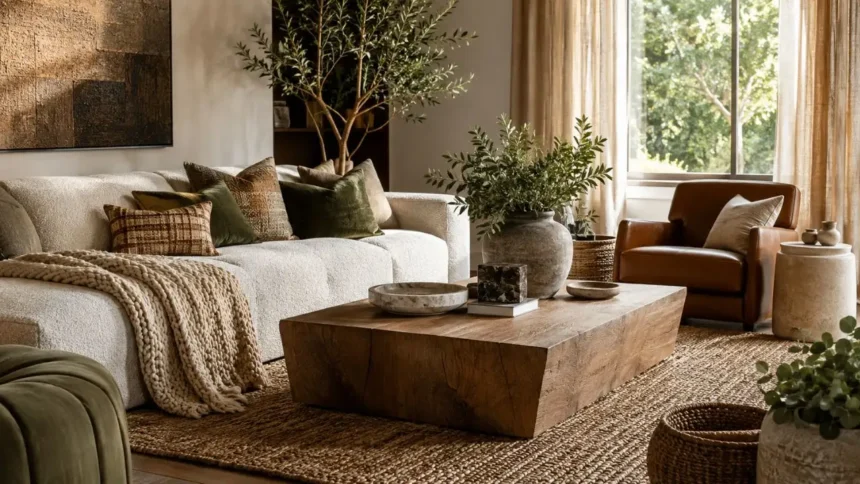
Learning how to use texture in interior design can completely change the way a room looks and feels. Texture gives surfaces visual and physical character, helping an interior feel layered instead of flat. From soft fabrics and natural wood to polished stone and woven baskets, different textures create depth, warmth, and contrast. Even a neutral room can feel interesting when its surfaces interact beautifully.
Texture is especially valuable because it works without requiring dramatic colors or expensive renovations. A smooth leather chair beside a wool rug, for example, creates contrast through touch and appearance rather than color alone. Similarly, linen curtains can soften hard architectural lines, while a stone table can introduce a grounded, natural quality. These combinations make spaces feel intentional and comfortable.
Modern interior design increasingly focuses on sensory experience as well as appearance. People want homes that feel calm, personal, and enjoyable to live in rather than spaces that simply photograph well. Texture supports this goal by adding warmth, tactility, and personality to everyday environments. It can make minimalist interiors feel inviting, traditional rooms feel layered, and contemporary spaces feel less sterile.
The secret is not to add every texture you like into one room. Successful textured interiors rely on balance, repetition, scale, and thoughtful material combinations. Understanding where texture belongs, how different materials work together, and when to stop adding more helps create a polished result. This guide explains practical ways to introduce texture throughout your home without overwhelming the design.
What Does Texture Mean in Interior Design?
Texture in interior design refers to the surface quality of materials and how those surfaces look or feel. Some textures are tactile, meaning you can physically experience them by touch, such as velvet, wool, rough timber, or smooth marble. Others are primarily visual, such as patterned wallpaper or wood-look finishes. Both types influence how people perceive a room.
Smooth materials such as glass, polished metal, lacquered cabinetry, and glossy tiles tend to reflect more light and create a clean appearance. Rougher materials such as natural stone, unfinished wood, woven fibers, and textured plaster absorb or scatter light differently. This difference creates visual variation even when all the materials share similar colors. Texture therefore becomes another way to build contrast.
Interior designers often use texture to prevent rooms from feeling overly flat or predictable. Imagine a completely white room with smooth white walls, glossy white furniture, and plain white flooring. Although the color scheme may be cohesive, the lack of surface variation can make the room feel cold. Introducing boucle upholstery, a wool rug, timber furniture, and linen curtains immediately creates more dimension.
Texture can also influence the emotional character of an interior. Soft and natural materials often feel relaxing and welcoming, while polished surfaces may communicate refinement and modernity. Raw concrete or exposed brick can create an industrial mood, while carved wood and woven fabrics may feel more traditional or organic. Choosing texture therefore contributes to both aesthetics and atmosphere.
Why Texture Is Important in Interior Design
One of the biggest benefits of texture is its ability to create visual depth. Rooms usually contain large flat areas such as walls, ceilings, floors, and cabinets, which can feel monotonous when they all have similar finishes. Adding textured furniture, textiles, artwork, or architectural details breaks up those surfaces. The eye has more variety to explore without requiring excessive decoration.
Texture also adds warmth to interiors dominated by hard materials. Kitchens and bathrooms, for example, often contain tile, stone, glass, metal, and cabinetry, which can create a visually hard environment. Introducing timber accents, fabric window treatments, natural baskets, or textured towels can soften the space. Small additions often make functional rooms feel significantly more comfortable.
Another advantage is that texture allows neutral color schemes to remain visually interesting. Beige, white, cream, gray, taupe, and earthy interiors can easily become flat when every element has the same finish. Combining matte walls, brushed metal, woven rugs, smooth ceramics, and natural wood creates variation within a restrained palette. The room remains calm without becoming boring.
Texture can also help establish balance between competing design elements. A sleek contemporary sofa might feel more welcoming beside a chunky knit throw, while an ornate wooden table can feel more modern when paired with simple metal lighting. These contrasts help different pieces relate to one another. Thoughtful textural balance makes interiors feel collected rather than overly matched.
Start With a Strong Textural Foundation
The easiest way to use texture successfully is to begin with the largest surfaces in the room. Flooring, walls, ceilings, cabinetry, and large furniture pieces create the foundation of the interior. Their materials determine whether the space already feels warm, smooth, rustic, polished, or minimal. Understanding this foundation makes it easier to choose complementary layers.
Wood flooring, for example, naturally introduces grain and warmth before any furniture enters the room. A polished concrete floor creates a much smoother and more industrial starting point. Textured plaster walls add movement, while painted drywall provides a relatively simple backdrop. Rather than treating these surfaces separately, think about how they interact as part of one material palette.
Large furniture also contributes significantly to texture. A velvet sofa creates a different effect from one upholstered in linen, leather, boucle, or smooth synthetic fabric. Timber dining tables introduce visible grain, while stone tables create weight and solidity. Because these pieces occupy substantial visual space, their textures should support the overall mood you want to establish.
Once the major materials are defined, smaller textured accents become easier to select. If your foundation contains several smooth finishes, you might introduce rougher textiles and organic surfaces. If the room already features heavily grained wood and stone, simpler fabrics may provide balance. Starting with the foundation prevents random decorating and creates a more coordinated result.
Layer Soft Textures Through Fabrics and Textiles
Textiles are one of the simplest and most affordable ways to introduce texture into interior design. Cushions, curtains, throws, bedding, rugs, and upholstery can quickly soften a room filled with hard architectural surfaces. Because textiles are easy to replace, they also allow you to experiment without making permanent changes. This makes them ideal for beginners.
Instead of choosing every fabric in the same finish, combine materials with different visual qualities. Linen curtains can sit beside a velvet cushion, a wool rug, and a cotton sofa without appearing mismatched when the colors coordinate. The contrast between coarse, smooth, plush, and lightweight surfaces creates subtle richness. These variations are especially effective in bedrooms and living rooms.
Rugs deserve particular attention because they cover a large horizontal area. A thick wool rug adds softness and warmth, while jute or sisal introduces natural texture and a more casual appearance. Low-pile rugs create a cleaner look, while shaggy options add stronger tactile impact. Choosing the right rug texture can influence the character of the entire room.
Bedding provides another excellent opportunity for layering. Rather than using one matching bedding set, combine crisp cotton sheets, a textured duvet, knitted throws, and cushions in slightly different materials. Keeping the color palette controlled prevents the arrangement from looking busy. Layered fabrics create the relaxed, comfortable appearance often seen in professionally styled bedrooms.
Bring Natural Materials Into the Room
Natural materials are powerful because their surfaces contain irregularities that manufactured finishes often lack. Wood grain, stone veining, woven fibers, clay, rattan, bamboo, cork, and linen all introduce subtle variations. These imperfections create visual richness and make rooms feel more connected to nature. They can work in contemporary, rustic, Scandinavian, coastal, and minimalist interiors.
Wood is particularly versatile because it can appear polished, painted, distressed, carved, or unfinished. A smooth walnut console can provide sophisticated warmth, while reclaimed timber introduces a much rougher character. Using wood in furniture, flooring, wall panels, shelving, or decorative objects creates visual continuity. Mixing a limited number of wood tones usually produces the most cohesive result.
Natural stone adds another type of texture through veining, color variation, and surface finish. Marble, travertine, granite, slate, and limestone each create distinct visual effects. Stone can appear luxurious when polished or more organic when honed or textured. Even small stone accessories, such as trays or side tables, can provide contrast against soft fabrics.
Woven materials such as rattan, cane, seagrass, and jute introduce strong texture without feeling excessively heavy. Baskets, lighting fixtures, chairs, rugs, and storage containers can bring these materials into almost any room. Their natural appearance works particularly well alongside neutral colors and greenery. Used carefully, they make interiors feel warm, relaxed, and approachable.
Use Texture on Walls to Add Visual Interest
Walls occupy a large percentage of every room, making them an effective place to introduce texture. Paint is not the only option available. Textured plaster, wood paneling, wallpaper, limewash, exposed brick, stone cladding, decorative molding, and fabric wall treatments can all transform a plain surface. Even one textured wall can create significant visual impact.
Limewash and plaster-style finishes have become popular because they create soft movement without using bold patterns. Their subtle tonal variation gives walls a handcrafted appearance that changes slightly throughout the day as natural light moves across the surface. These finishes work particularly well with earthy palettes. They can make simple interiors feel warmer and more architectural.
Wall paneling provides a more structured form of texture. Vertical slats can visually increase height, while traditional molding can add depth and architectural character. Timber panels introduce both texture and natural color, while painted paneling offers a quieter effect. These treatments are useful when you want interest without relying heavily on artwork or decorative accessories.
Wallpaper can provide visual texture even when the surface itself remains relatively smooth. Grasscloth, linen-effect designs, embossed patterns, and subtle geometric papers add depth through shadow and pattern. For a balanced result, consider using highly textured walls with simpler furniture. When every surface competes for attention, the interior can quickly become visually exhausting.
Create Contrast Between Smooth and Rough Surfaces
One of the most effective ways to use texture is through contrast. A room filled entirely with rough materials can feel heavy, while one containing only smooth finishes may appear cold. Combining the two creates balance and gives individual surfaces greater impact. Each texture becomes more noticeable because it is positioned beside something different.
Consider pairing a smooth marble countertop with textured wooden stools or a polished dining table with woven chairs. A leather sofa can be softened by a wool rug and linen cushions, while a rustic timber console can look more refined beneath a smooth ceramic lamp. These combinations prevent interiors from feeling too strongly associated with one material.
Contrast can also occur within decorative objects. Matte ceramic vases placed on polished shelving provide subtle variation, while smooth glass accessories look particularly striking against rough stone or timber. You do not need dozens of objects to achieve this effect. A few carefully selected surfaces can create enough variation to make a room feel complete.
The strongest contrasts usually support the overall interior style rather than fighting against it. Minimalist spaces may rely on subtle differences between linen, wood, plaster, and stone, while eclectic interiors can tolerate stronger combinations. Consider the visual strength of each material before adding another. Texture should create interest without making the room feel chaotic.
Add Texture Through Furniture and Upholstery
Furniture provides both practical function and a major opportunity for introducing texture. Upholstered pieces are particularly valuable because fabrics can range from smooth cotton to plush velvet and highly textured boucle. The texture of a sofa or armchair influences how inviting it appears before someone even sits down. Soft surfaces naturally encourage comfort and relaxation.
Hard furniture contributes texture in different ways. Timber tables display natural grain, metal frames can provide sleek contrast, and stone surfaces create a sense of weight. Cane-front cabinets or fluted furniture add visible surface detail without requiring extra accessories. Combining furniture materials carefully can create a layered room with relatively little decorative clutter.
Boucle and other tactile fabrics have become popular because they bring noticeable texture to simple furniture shapes. However, trend-driven materials work best when used selectively rather than throughout an entire interior. One textured armchair or bench can become a focal point without overwhelming the room. Surrounding it with smoother surfaces allows the fabric to stand out.
Practicality should remain part of the decision. Highly textured upholstery may collect dust or be harder to clean in busy family spaces, while delicate natural materials may not suit high-traffic areas. Choose materials according to how the furniture will actually be used. Successful interior design combines visual appeal with comfort, maintenance, and durability.
Use Rugs to Ground and Soften a Space
Rugs are among the most effective textural elements because they influence both appearance and comfort. They can define seating zones, soften hard flooring, reduce visual emptiness, and make large rooms feel more connected. Their position under furniture also helps visually anchor different pieces. Without a suitable rug, some layouts can appear fragmented.
The material strongly affects the mood of the room. Wool provides softness and durability, jute introduces natural roughness, cotton feels lightweight and casual, while synthetic fibers can offer practicality in busy areas. High-pile rugs feel luxurious underfoot, whereas flatter weaves create a cleaner appearance. The choice should reflect both lifestyle and aesthetic preference.
Size matters just as much as texture. An undersized rug can make furniture feel disconnected and reduce the visual impact of the material. In living rooms, a rug often looks more intentional when at least the front legs of major seating pieces rest on it. Bedrooms generally feel more luxurious when the rug extends beyond the edges of the bed.
Layering rugs can create even greater texture when done carefully. A neutral jute rug can provide a large foundation beneath a smaller patterned or softer rug. This approach creates dimension without changing the flooring permanently. Keep the surrounding décor relatively restrained so the layered floor treatment feels purposeful rather than overly busy.
Add Texture Through Curtains and Window Treatments
Window treatments are often overlooked when people think about texture, yet they cover large vertical surfaces and strongly influence the softness of a room. Bare windows can make interiors feel unfinished, especially when the space already contains many hard materials. Curtains introduce movement, fabric, and visual warmth. They can also improve privacy and light control.
Linen curtains are particularly effective in relaxed interiors because their slightly irregular weave provides visible texture without appearing heavy. Velvet curtains create a richer, more dramatic effect, while sheer fabrics soften daylight and create gentle movement. The correct material depends on the mood and function of the room. Bedrooms may require heavier treatments than casual living spaces.
Layering window treatments can create both practical and textural benefits. Sheer curtains combined with heavier drapes offer flexible light control while adding visual depth. Roman shades paired with curtains can provide another layer of fabric and structure. Keeping the colors coordinated ensures the combination feels intentional rather than overly decorative.
The way curtains hang also influences their textural impact. Full-length curtains with enough fabric to form soft folds tend to look richer than narrow panels stretched tightly across a window. Hanging curtains higher can emphasize ceiling height and give the fabric more presence. Thoughtful window treatments can transform a room without requiring structural changes.
Use Decorative Accessories for Smaller Textural Layers
Accessories allow you to introduce texture gradually after the major furniture and finishes are established. Ceramic vases, woven baskets, books, sculptures, trays, cushions, artwork, and decorative bowls can all contribute surface variation. Because these items are relatively small, they are useful for experimenting. You can change them easily when the room begins to feel overly busy.
Group accessories with contrasting finishes rather than filling every surface with similar objects. A matte ceramic vase can look beautiful beside a smooth glass object and a small wooden box. The materials create enough variation that the display remains interesting even when the colors are similar. This technique works well on coffee tables, shelves, and consoles.
Plants provide another valuable textural layer. Broad leaves, fine foliage, trailing vines, and structured branches all create different visual effects. Plants also introduce organic shapes that contrast with the straight lines of furniture and architecture. Even one substantial indoor plant can soften a room filled with metal, glass, or stone.
Restraint is important when styling accessories. Too many textured objects can reduce the impact of each individual piece and make the room appear cluttered. Leave some empty space around important objects so their surfaces remain visible. Thoughtful editing often creates a more sophisticated result than continuously adding new decorative items.
How to Use Texture in a Neutral Interior
Neutral interiors rely heavily on texture because color contrast is intentionally limited. When beige, cream, gray, white, and earthy shades dominate the palette, surfaces need enough variation to keep the room visually engaging. Combining several materials within similar tones can create sophistication without sacrificing calmness. Texture effectively becomes the primary source of visual interest.
Imagine a cream-colored living room containing a linen sofa, boucle chair, wool rug, timber table, ceramic lamps, and lightly textured walls. The colors remain restrained, but every surface interacts with light differently. This creates depth and prevents the space from appearing flat. Neutral design therefore works best when material variation is considered carefully.
Tonal layering can strengthen this effect. Instead of using exactly the same beige everywhere, combine warm ivory, sand, oatmeal, taupe, and natural wood tones. Slight differences between shades make individual textures easier to notice. Maintaining similar undertones keeps the room cohesive while creating enough contrast to remain interesting.
Black or dark accents can also help define a highly textured neutral room. Thin metal lighting fixtures, dark frames, hardware, or furniture legs introduce visual structure against softer materials. Use these accents sparingly so they support rather than dominate the composition. The overall goal should remain balanced, layered, and comfortable.
How to Avoid Using Too Much Texture
Although texture adds interest, using too much can make a room feel restless. If the walls, floor, furniture, rugs, curtains, cushions, and accessories all contain strong textures, the eye has nowhere to rest. The solution is not to remove texture completely but to establish a hierarchy. Some surfaces should be visually dominant while others remain quieter.
Start by identifying one or two major textural features in the room. These might be a stone fireplace, boucle sofa, timber wall, or heavily woven rug. Allow those elements to attract attention and keep surrounding surfaces simpler. This prevents multiple materials from competing for the same visual focus.
Color control can also help when several textures are present. Strong variation in both texture and color may create excessive visual stimulation, whereas a limited palette allows more material combinations. This is why neutral interiors can often support several textures successfully. The shared colors connect different surfaces even when their finishes vary.
Finally, regularly edit the space. If the room begins to feel cluttered, remove a few accessories, cushions, or patterned items and evaluate the result. Interior design often improves through subtraction rather than addition. Texture should enrich the room while maintaining clarity, comfort, and enough visual breathing space.
How to Mix Different Textures Like an Interior Designer
Begin with three broad texture categories: smooth, soft, and natural or rough. A room might combine smooth glass or metal, soft upholstery and rugs, and organic wood or stone. Starting with these categories helps create variety without introducing random materials. Each category contributes something different to the overall composition.
Next, repeat selected textures throughout the room. If you use timber on the coffee table, repeat a similar wood tone in a picture frame or shelving detail. If woven material appears in a chair, echo it through a basket or light fixture. Repetition helps individual textures feel connected instead of accidental.
Vary the scale of texture as well. Large textures include timber wall panels, stone fireplaces, and substantial rugs, while medium textures appear in furniture and curtains. Smaller textures come from cushions, ceramics, books, and accessories. Combining different scales prevents the room from becoming visually repetitive. It also creates a natural hierarchy.
Most importantly, consider how the room feels as a whole rather than evaluating every object separately. A beautiful material can still be the wrong choice when it competes with everything around it. Step back regularly and look at the overall balance. Successful layering usually feels varied yet calm, detailed yet organized.
Final Thoughts on Using Texture in Interior Design
Understanding how to use texture in interior design gives you one of the most effective tools for creating rooms that feel finished and inviting. Texture transforms ordinary surfaces into visual layers, helping furniture, fabrics, materials, and architectural features work together. It can bring life to both colorful interiors and restrained neutral spaces.
You do not need to redesign your entire home to benefit from it. Replacing cushions, adding a rug, introducing linen curtains, displaying natural ceramics, or bringing in woven baskets can immediately change the atmosphere. Small textural improvements often produce more warmth than adding additional decorative objects. Begin with the areas that currently feel the flattest.
Remember to balance contrasting surfaces. Smooth materials usually benefit from softer or rougher companions, while heavily textured rooms need simpler elements for visual relief. Repeat selected materials throughout the space to create cohesion. These principles allow you to layer different finishes without creating unnecessary clutter.
Ultimately, the best texture choices are those that suit both your aesthetic preferences and everyday lifestyle. Choose materials you enjoy seeing and touching, but also consider durability, maintenance, comfort, and function. When texture is used thoughtfully, your home can feel deeper, warmer, more personal, and noticeably more enjoyable to live in.
Frequently Asked Questions
What are examples of texture in interior design?
Examples include wood grain, velvet upholstery, linen curtains, wool rugs, natural stone, brick, woven baskets, boucle fabric, textured plaster, leather, glass, and metal. Combining different surfaces creates visual depth.
How do you add texture to a room?
Start with rugs, cushions, throws, curtains, plants, timber furniture, woven accessories, and ceramics. Combine a few soft, smooth, and natural materials while keeping the overall color scheme cohesive.
Why is texture important in interior design?
Texture adds depth, contrast, warmth, and visual interest. It prevents a room from looking flat and can make even a simple or neutral color scheme feel layered, comfortable, and thoughtfully designed.
Can you use too much texture in a room?
Yes. Too many strong textures can make an interior feel cluttered or visually overwhelming. Balance highly textured features with smoother, simpler surfaces and leave enough negative space between decorative elements.
What textures work best in a modern interior?
Modern interiors often combine smooth glass, metal, stone, natural wood, linen, wool, and subtle textured fabrics. These materials add warmth while preserving the clean lines and uncluttered appearance associated with modern design.