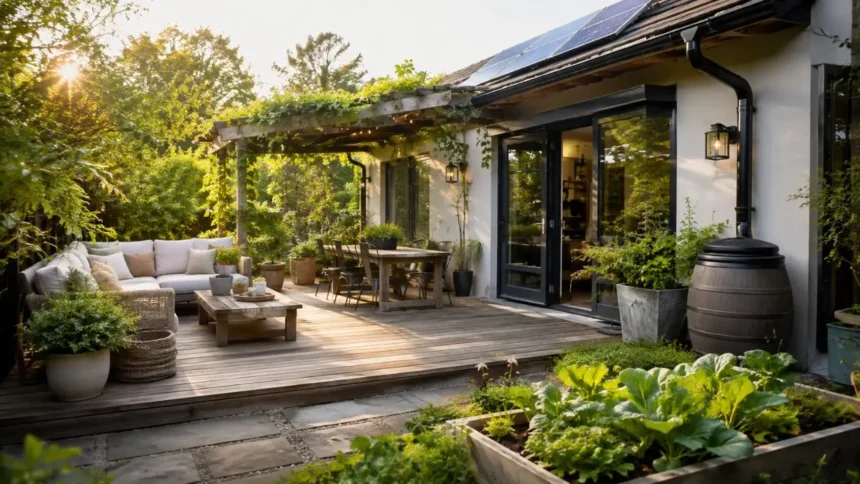
Eco-Friendly Outdoor Living Ideas for Sustainable Homes
A thoughtfully designed outdoor area can provide comfortable space for dining, relaxing and entertaining without placing unnecessary pressure on natural resources. The most effective eco-friendly outdoor living ideas for sustainable homes combine durable materials, efficient lighting, responsible landscaping and practical water management. These choices can make a garden or patio more attractive while reducing waste and long-term maintenance.
Sustainable outdoor design does not require replacing every existing feature with an expensive green alternative. Keeping usable furniture, repairing damaged decking and improving an existing landscape may be more responsible than starting again. A gradual plan allows homeowners to prioritise improvements that deliver meaningful environmental and financial benefits without creating unnecessary construction waste.
The right choices will depend on climate, available space, soil, rainfall and how the household uses the area. A dry region may prioritise drought-tolerant plants and efficient irrigation, while a rainy location may need permeable paving and better stormwater control. Regionally appropriate design usually performs better than copying an outdoor style created for a completely different environment. (epa.gov)
This guide covers sustainable decking, recycled furniture, native plants, rainwater collection, composting, efficient outdoor lighting and low-impact cleaning. It also explains how to create shade, support pollinators and reduce routine waste. Use the ideas individually or combine them into a complete outdoor living plan that fits your home, lifestyle and budget.
Plan Before You Build
Begin by deciding how the outdoor space will be used throughout the year. A household may need a dining zone, quiet seating, a play area, garden beds or room for outdoor cooking. Defining these priorities prevents unnecessary purchases and helps you avoid building features that receive little use after the initial excitement disappears.
Study sunlight, wind, drainage and existing vegetation before finalising the layout. Areas receiving intense afternoon sunlight may need shade, while low sections may collect water during storms. Retaining healthy trees and working with the natural shape of the site can reduce construction, irrigation and cooling needs.
Measure the area carefully and create a simple scaled plan. Position furniture, paths and planting beds on paper before buying materials. A well-planned layout can reduce cutting waste, unnecessary paving and repeated deliveries while ensuring that movement between the house, seating and garden remains comfortable.
Set sustainability goals that are specific and realistic. You might aim to reduce lawn size, reuse existing stone, install efficient irrigation or replace old lighting with LEDs. Completing the most valuable improvements first is usually more effective than buying several products simply because their packaging describes them as environmentally friendly.
Reuse Existing Materials
The most sustainable material is often one that is already available and suitable for continued use. Before removing an old patio, fence or deck, assess whether it can be repaired, resurfaced or redesigned. Keeping existing structures avoids the resources required to manufacture, transport and install complete replacements.
Old bricks, pavers and natural stones can be cleaned and reused for paths, garden edging or fire-resistant seating areas. Timber that remains structurally sound may become benches, planter boxes or privacy screens. Check reclaimed materials for rot, contamination, sharp edges and structural weakness before placing them into a new project.
Furniture can also be restored rather than discarded. Sanding a wooden table, replacing damaged cushions or repainting a metal frame may extend its useful life considerably. Select finishes designed for the material and outdoor exposure so the repair remains durable instead of requiring another replacement after one season.
When reusable items do not fit your new design, offer them through a local reuse centre, community group or building-material exchange. Passing functional products to another household keeps them in use and may reduce disposal costs. Plan removals carefully so valuable pieces are not damaged before they can be reused.
Choose Sustainable Wood
Wood creates a warm and natural outdoor appearance, but sourcing matters. When purchasing decking, fencing or furniture, look for credible certification and clear information about the timber’s origin. The Forest Stewardship Council identifies certified outdoor furniture, decking and building materials intended to support responsible forest management. (fsc.org)
Choose a species that performs well in your climate and intended application. Naturally durable timber may require less frequent replacement, but it still needs correct installation and maintenance. Poor drainage, ground contact and trapped moisture can shorten the life of even high-quality exterior wood.
Reclaimed timber may provide another useful option when it is safe and structurally appropriate. Inspect it for nails, insect activity, chemical treatments and previous coatings before use. Wood with an unknown industrial history should not be used for dining surfaces, vegetable planters or areas where children frequently make contact.
Protect wooden structures with finishes suitable for exterior use, and follow the manufacturer’s preparation schedule. Regular cleaning and timely resealing can extend service life, reducing the need for replacement. Design decks and furniture so boards can dry after rain rather than remaining in permanent contact with damp soil or standing water.
Try Recycled Materials
Recycled plastic furniture can be a practical choice for homes needing weather-resistant seating with limited maintenance. Some products use recovered plastic to create boards that resist rot and insects. Compare warranties, repair options and expected lifespan instead of assuming that every recycled product provides the same quality.
Composite decking may combine recycled plastic with wood fibre or other materials. It can reduce painting and staining requirements, but products vary in recycled content, heat retention and recyclability. Request technical information and choose a finish appropriate for the amount of sunlight the deck will receive.
Recycled glass, concrete and metal can also appear in tabletops, planters, tiles and decorative features. These materials work best when they are durable enough for long-term use. A product with recycled content is less helpful when weak construction causes it to be discarded after a short period.
Avoid purchasing unnecessary decorations only because they contain recycled material. Sustainable design values usefulness, longevity and repairability as well as content. Select fewer items that serve a clear purpose and can remain attractive through changing trends instead of filling the space with short-lived accessories.
Create Natural Shade
Shade can make an outdoor living space more comfortable while reducing direct solar heat around the home. Existing mature trees are especially valuable because replacing their size and cooling effect may take decades. Protect healthy root zones during construction and seek professional advice before removing a large established tree.
Planting suitable trees near sunny outdoor areas can provide long-term shade, habitat and stormwater benefits. EPA guidance notes that trees can absorb rainfall through their leaves and branches while contributing to broader green infrastructure. Select species suited to the local climate, available root space and distance from buildings. (epa.gov)
Pergolas, fabric sails and adjustable awnings can provide faster shade where tree planting is unsuitable. Choose durable structures that can be repaired and fabrics that can be replaced separately from the frame. Adjustable options allow winter sunlight to enter while providing protection during hotter periods.
Climbing plants can soften a pergola or trellis, but they should be selected carefully. Some species become invasive, damage structures or require more water than expected. Use locally appropriate vines and maintain enough airflow between vegetation and wooden surfaces to prevent trapped moisture and premature decay.
Plant Native Species
Native plants are adapted to the climate, soil and seasonal patterns of their region. Once established in appropriate conditions, many can require less additional irrigation and fertiliser than plants poorly suited to the site. EPA guidance recommends regionally appropriate landscapes as part of efficient outdoor water use. (epa.gov)
Native flowers, grasses, shrubs and trees can also provide shelter and food for local wildlife. USDA guidance explains that native and diverse plantings can support pollinators, including bees, butterflies, beetles, birds and other species. A mixture of flower shapes and blooming seasons can serve more pollinators. (usda.gov)
Choose each plant according to the actual site rather than the label “native” alone. A moisture-loving native plant may still fail in a hot, dry border, while a sun-loving species may struggle beneath dense shade. Match light, drainage, mature size and soil needs before planting.
Group plants with similar watering requirements together. This practice prevents drought-tolerant species from receiving unnecessary water simply because they share a bed with thirstier plants. It also makes irrigation schedules easier to manage and can produce a more organised, natural-looking landscape.
Reduce the Lawn
Traditional lawns can require regular mowing, watering, fertilising and weed control. Retain grass where it serves a useful function, such as a play area, but reconsider narrow strips and difficult slopes that consume resources without providing meaningful outdoor space. Replace those sections gradually instead of removing the entire lawn at once.
Native groundcovers, ornamental grasses and mixed planting beds can reduce the amount of frequently mown turf. Select plants able to handle the site’s foot traffic and climate. A living groundcover is not automatically maintenance-free, but a well-chosen planting can reduce repeated mowing and irrigation.
Create paths through planted areas so people can reach seating, garden beds and storage without trampling vegetation. Reused pavers, gravel and permeable stepping stones can define movement while limiting unnecessary hard surfaces. Keep paths wide and stable enough for the household members who will use them.
A smaller lawn can make room for shade trees, a vegetable garden, rain garden or pollinator border. Make changes in manageable sections so you can observe what works. Gradual conversion also reduces the amount of bare soil exposed to erosion and weeds during the transition.
Save Water Outdoors
Outdoor watering can represent a significant part of household water use, particularly in hot and dry areas. EPA WaterSense guidance reports that outdoor water use at single-family homes averages about 30 percent nationally and can be considerably higher in some dry regions. Efficient design therefore has meaningful conservation potential. (epa.gov)
Water deeply but only when plants require it. Frequent shallow watering can encourage roots to remain close to the surface, while excessive irrigation wastes water and may contribute to disease. Check the soil below the surface instead of watering automatically because the top layer looks dry.
Apply an appropriate mulch around trees and planted beds to reduce evaporation and suppress weeds. Keep mulch away from trunks, stems and wooden structures so it does not trap moisture against them. Organic mulch can gradually break down and contribute material to the soil.
Repair leaking hoses, sprinkler heads and connections promptly. A small leak that continues through an entire watering season can waste substantial water. Inspect irrigation while it is operating because broken or misaligned sprinklers may send water onto patios, walls and driveways rather than plant roots.
Install Smart Irrigation
A weather-based or soil-moisture controller can adjust watering according to actual site conditions instead of following the same fixed schedule every day. EPA states that WaterSense-labelled irrigation controllers can reduce overwatering by applying water when plants need it. (epa.gov)
Drip irrigation can deliver water directly to soil near plant roots and reduce overspray onto paths or furniture. It works particularly well in vegetable gardens, containers and organised planting beds. Inspect emitters regularly because blocked or damaged components can leave individual plants overwatered or completely dry.
Divide the landscape into irrigation zones based on plant needs and sunlight. A shaded bed should not necessarily run for the same duration as a sunny lawn. Correct zoning makes the controller more effective because each part of the landscape receives a schedule suited to its conditions.
Seasonal programming remains important even with efficient equipment. Review the system after storms, temperature changes and new planting. A smart controller cannot compensate for broken pipes, incorrect plant placement or poorly positioned emitters, so routine inspection should remain part of the maintenance plan.
Collect Rainwater
Rain barrels and cisterns collect water from roofs for later non-drinking uses such as landscape irrigation. EPA identifies rainwater harvesting as a green infrastructure strategy that can retain and reuse water that would otherwise become runoff. (epa.gov)
Place the collection system on a stable base and connect it to a suitable downspout. Use a secure cover and screen openings to prevent debris and mosquitoes from entering. Include an overflow route that directs excess water away from the building foundation during heavy rainfall.
Check local regulations before installing a large rainwater system because requirements vary by location. Roof materials and previous chemical treatments may also affect which uses are appropriate. Collected roof water should not automatically be considered safe for drinking, cooking or washing food.
Use stored rainwater regularly so capacity remains available before the next storm. Clean gutters, screens and containers according to the system instructions. Drain or protect equipment before freezing conditions when required, because trapped water can damage barrels, valves and connecting pipes.
Manage Stormwater Naturally
A rain garden is a shallow planted area that receives runoff from roofs, paths or other surfaces. Water temporarily collects and then soaks into the ground or moves through a designed drainage layer. EPA describes rain gardens as planted depressions that help collect and filter stormwater. (epa.gov)
Position a rain garden where water naturally moves, but not where it may threaten foundations, septic systems or underground utilities. Soil type, slope and drainage rate determine the correct size and location. A poorly planned depression can create standing water instead of improving stormwater management.
Select plants able to tolerate both temporary wetness and dry periods. Grouping suitable native grasses, flowers and shrubs can create an attractive feature that supports wildlife. Keep an overflow route for storms that exceed the garden’s designed capacity.
Redirecting a downspout into a planted area can be a smaller alternative when a full rain garden is unsuitable. Ensure water spreads safely and does not enter a neighbouring property or damage the building. Local guidance or a landscape professional can help with complex drainage conditions.
Use Permeable Surfaces
Permeable paving allows rainwater to pass through the surface and enter underlying soil or gravel layers. Options can include permeable interlocking pavers, pervious concrete, porous asphalt and reinforced grid systems. EPA notes that these surfaces can reduce runoff and help filter some pollutants. (epa.gov)
Consider permeable materials for paths, patios and low-traffic parking areas when soil and site conditions allow. Correct base preparation is essential because the layers beneath the visible surface store and move water. Simply leaving wide gaps between ordinary pavers may not create a reliable permeable system.
Permeable paving still requires maintenance. Leaves, soil and fine debris can block surface openings and reduce infiltration. Sweep or vacuum the surface according to the manufacturer’s instructions, and avoid allowing loose landscaping material to wash across the pavement.
Use hard surfaces only where they provide a clear function. Excessive paving increases construction materials and can reduce planting opportunities. A balanced design may combine a compact seating area, permeable paths and planted borders instead of covering the entire garden with one continuous patio.
Choose Efficient Lighting
Outdoor lighting should provide enough visibility for steps, entrances and activity areas without illuminating the entire property throughout the night. Use separate lighting zones so the dining area, path and security lights can operate independently. This allows you to use only the fixtures required for the current activity.
LED lighting uses considerably less electricity than traditional incandescent lighting and generally lasts much longer. ENERGY STAR states that LED products can produce light up to 90 percent more efficiently than incandescent bulbs. Choose fixtures and lamps designed for outdoor exposure. (energystar.gov)
Timers, motion sensors and smart controls can prevent lights from remaining on unnecessarily. ENERGY STAR notes that certified smart lighting can reduce energy use while providing automatic control. Set schedules carefully so decorative lighting does not continue operating after the outdoor area is empty. (energystar.gov)
Aim light downward and keep fixtures close to the area they need to illuminate. Excessively bright or poorly directed lighting can create glare and disturb neighbours and wildlife. Warm, lower-intensity lighting usually creates a more comfortable atmosphere than several powerful floodlights.
Select Durable Furniture
Outdoor furniture should be selected for long-term use rather than one season of appearance. Examine frame construction, replaceable parts, warranty coverage and resistance to local weather. A durable chair that can be repaired is generally more sustainable than a cheaper option that breaks and must be discarded quickly.
Look for recycled metal, recycled plastic or responsibly sourced wood when these materials suit your needs. FSC confirms that certified options are available for outdoor furnishings and other household wood products. Check the complete product rather than assuming that one sustainable component makes every material responsible. (fsc.org)
Choose cushions with removable, washable covers and replaceable filling. Store fabrics during severe weather to extend their life. Neutral frames can remain useful through changing design trends, while cushions and small accessories can update the appearance without replacing the complete furniture set.
Second-hand outdoor furniture can offer strong value when its structure remains safe. Inspect joints, corrosion, mould and previous coatings before buying. Clean and repair the item with products suited to its material, then maintain it regularly so the restoration lasts.
Build an Edible Garden
Herbs, vegetables and fruit can make an outdoor living space more productive as well as attractive. Position edible plants where they receive suitable sunlight and remain convenient to water and harvest. Easy access increases the likelihood that food will be used rather than left to spoil on the plant.
Begin with crops suited to the climate and the household’s eating habits. A large vegetable bed is unnecessary when a few containers of herbs, tomatoes or chillies will be used more consistently. Local varieties may also perform better under regional temperature and rainfall conditions.
Combine ornamental and edible plants where appropriate. Herbs such as rosemary, oregano and basil can provide food while supporting pollinators when allowed to flower. USDA lists several common herbs among useful pollinator plants. (usda.gov)
Avoid using reclaimed containers that previously held chemicals or unknown substances. Select food-safe planters and soil appropriate for edible crops. Use integrated pest-management practices and identify the cause of plant damage before applying a pesticide automatically.
Compost Food and Garden Waste
Home composting turns suitable food scraps and garden materials into a soil amendment. EPA states that compost can improve soil, support plant growth, conserve water and reduce reliance on some fertilisers and pesticides. It also keeps useful organic material in circulation. (epa.gov)
Choose a composting method suited to available space and local rules. A contained bin may work well near an urban patio, while a larger garden can support an open pile or multi-bin system. Position it where it can be accessed without dominating the seating area.
Balance carbon-rich brown materials, such as dry leaves and untreated wood chips, with nitrogen-rich green materials, including suitable food scraps. EPA guidance describes a useful starting ratio of about three parts browns to one part greens by volume. (epa.gov)
Avoid adding materials that attract pests or create unsafe compost unless your system is specifically designed for them. Keep the pile aerated and appropriately moist. Bad smells often indicate excess moisture, insufficient air or an unbalanced mixture rather than a need to discard the entire pile.
Use Safer Cleaning Products
Outdoor surfaces still require cleaning, but stronger chemicals are not always necessary. Begin with sweeping, warm water, a soft brush and the mildest suitable cleaner. Cleaning dirt regularly can reduce the need for aggressive restoration products later.
Select products approved for the specific furniture, stone, decking or fabric. A cleaner suitable for concrete may damage wood, natural stone or surrounding plants. Test every unfamiliar solution on a hidden section before applying it to the complete surface.
EPA’s Safer Choice programme maintains a searchable list of certified products, including options approved for outdoor use. Products carrying the outdoor-use designation must meet additional criteria because they may enter the environment without passing through wastewater treatment. (epa.gov)
Prevent cleaning water from flowing directly into ponds, storm drains or planted areas when it contains soap, grease or chemicals. Use the smallest necessary quantity and follow disposal directions. Never mix cleaning products because the combination can release dangerous gases or damage surfaces.
Maintain Instead of Replacing
Regular maintenance extends the life of decking, furniture, lighting and outdoor appliances. Sweep debris before it traps moisture, repair loose fasteners and treat early rust before it spreads. Small preventive tasks generally use fewer materials than replacing an item after avoidable deterioration.
Store cushions, umbrellas and movable furniture during severe weather. Use breathable covers and ensure items are dry before covering them. Trapping moisture beneath waterproof material can encourage mould, corrosion and fabric damage that remain hidden for long periods.
Keep a record of finishes, replacement parts and maintenance dates. Knowing which sealer was used on a deck or which bulb fits a fixture prevents unnecessary trial purchases. A simple annual checklist also helps homeowners complete tasks before seasonal weather causes additional damage.
When something fails, ask whether a part can be replaced before buying a new product. Hinges, cushion covers, boards, wheels and electrical components may be available separately. Supporting repairable products can reduce waste and often costs less than replacing a complete outdoor set.
Start With Affordable Changes
Sustainable outdoor living can begin with inexpensive improvements. Repairing furniture, planting herbs, switching off unnecessary lighting and using mulch around existing plants require less investment than a complete renovation. These actions can still reduce waste, energy use and outdoor water demand.
Prioritise changes according to the problems on your property. A garden with constant puddles may benefit more from drainage improvements than new furniture. A dry, exposed patio may gain greater value from shade and water-efficient planting than from decorative accessories.
Complete one small section at a time when the budget is limited. You might begin with a native planting bed, then add rainwater collection or efficient lighting later. Gradual progress allows you to learn from each improvement before making larger decisions.
Avoid replacing functioning products simply to create an eco-friendly appearance. Sustainability is not defined by purchasing the newest green product. A comfortable space built from repaired, reused and carefully selected items can be more responsible than a completely new outdoor design.
FAQs
What makes an outdoor living space eco-friendly?
An eco-friendly space uses durable or reused materials, limits water and energy consumption, manages rainwater and supports suitable local plants. It also prioritises repair over frequent replacement.
What are the best sustainable patio materials?
Reclaimed brick, locally sourced stone, responsibly sourced wood and properly installed permeable pavers can be useful choices. The best option depends on climate, maintenance needs and available local materials.
How can I reduce outdoor water use?
Choose regionally appropriate plants, group them by water needs, use mulch and repair leaks. Efficient irrigation controllers and rainwater collection can reduce unnecessary drinking-water use.
Are solar lights good for sustainable gardens?
Solar lights can work well where they receive reliable sunlight and provide enough output for the intended purpose. Choose durable, repairable products rather than low-quality fixtures requiring frequent replacement.
How can I make an existing patio more sustainable?
Keep usable paving and furniture, repair damaged items, add shade and replace inefficient lighting. Introduce containers of native plants and improve drainage without demolishing the entire area.
Eco-Friendly Outdoor Living Ideas for Sustainable Homes: Final Steps
The best eco-friendly outdoor living ideas for sustainable homes combine comfort with responsible resource use. Begin with the features already available, preserve healthy vegetation and repair useful materials before considering complete replacement. Sustainable design is most successful when every addition has a clear purpose.
Reduce environmental impact through native planting, efficient irrigation, rainwater collection and permeable surfaces. These features can conserve water, control runoff and make the outdoor area more resilient to changing seasonal conditions. Select solutions that match the climate instead of following a universal design trend.
Choose durable furniture, efficient lighting and responsibly sourced materials that can be maintained or repaired. Fewer high-quality items often provide better long-term value than a space filled with short-lived products. Protect each investment through regular cleaning, weather storage and timely maintenance.
You do not need to complete every improvement immediately. Begin with affordable actions and expand the design gradually as time and budget allow. A well-planned sustainable outdoor space can remain attractive, useful and comfortable while reducing waste, energy demand and unnecessary water consumption.