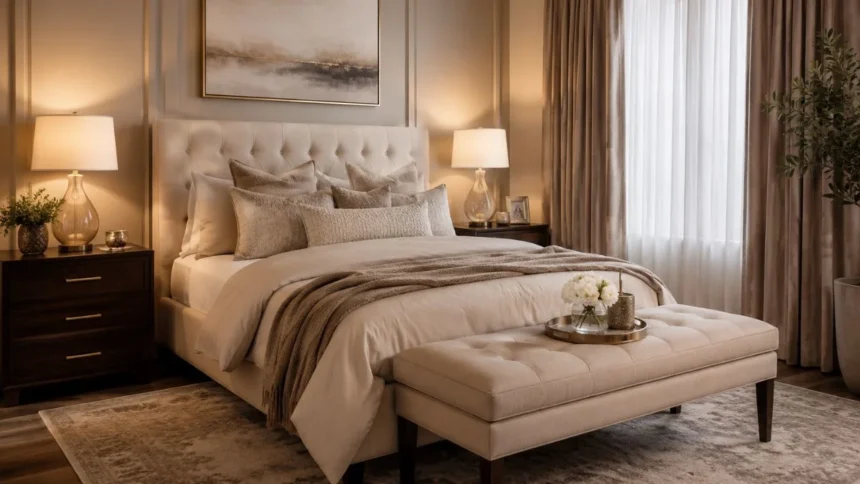
How to Create a Luxury Bedroom Without Overspending
A luxurious bedroom does not need expensive designer furniture, custom-built cabinets or a complete renovation. In many beautiful bedrooms, the high-end feeling comes from thoughtful styling, comfortable materials, balanced colours and careful attention to small details rather than the price of individual items.
The most effective budget bedroom makeover begins with the features that attract attention first. The bed, lighting, curtains, flooring and colour palette usually have a greater visual impact than small decorative objects placed around the room.
Creating an elegant bedroom also requires knowing when not to spend money. Decluttering, rearranging furniture, removing mismatched décor and improving how existing items are displayed can make the room feel calmer and more polished without purchasing anything new.
This guide explains how to create a luxury bedroom without overspending. It includes affordable bedroom décor ideas, bedding upgrades, lighting techniques, storage solutions and styling tips that can give an ordinary room a sophisticated, comfortable and expensive-looking finish.
Decide What Luxury Means for Your Bedroom
Luxury can mean different things to different people. Some people imagine a bright hotel-inspired bedroom with crisp white bedding, while others prefer dark colours, velvet textures, antique furniture or a warm minimalist design.
Before buying anything, decide how you want the bedroom to feel. Words such as calm, elegant, comfortable, modern, romantic or sophisticated can help you choose colours and materials that support one clear visual direction.
Collect a small group of bedroom images that reflect your preferred style. Look for repeating details such as wall colours, headboard shapes, lighting fixtures, bedding materials and furniture finishes instead of trying to copy every object in one photograph.
A defined style prevents unnecessary purchases and makes affordable items appear more intentional. When each choice supports the same overall mood, the bedroom can feel professionally designed even when the furniture and accessories come from different budget-friendly sources.
Set a Realistic Bedroom Makeover Budget
Decide how much you can comfortably spend before beginning the bedroom makeover. Divide the budget between essential improvements, decorative changes and a small reserve for unexpected expenses or replacement items.
Spend more on features that affect both comfort and appearance. A supportive mattress, quality pillows, useful lighting and durable curtains may provide more long-term value than several fashionable ornaments that serve no practical purpose.
List the bedroom problems in order of importance. Poor storage, uncomfortable bedding, harsh lighting or damaged paint should normally be addressed before purchasing artwork, decorative trays or additional cushions.
Avoid making every purchase at the beginning of the project. Complete the most important changes first, live with the updated space for several days and then decide whether the room genuinely needs more furniture or decoration.
Declutter the Room Before Decorating
Clutter can make even expensive furniture and bedding appear ordinary. Clearing unnecessary items from visible surfaces is one of the fastest and most affordable ways to make a bedroom look more luxurious.
Begin with bedside tables, dressers, chairs and the area around the bed. Remove empty packaging, tangled charging cables, unused cosmetics, paperwork and clothing that does not need to remain on display.
Create specific storage locations for the objects you use regularly. A bedside drawer, decorative box, storage basket or small tray can keep essentials nearby while preventing the room from looking disorganised.
Do not replace clutter with too many decorative accessories. A few carefully chosen objects usually look more elegant than crowded shelves filled with unrelated ornaments, artificial flowers, frames and souvenirs.
Choose a Sophisticated Colour Palette
A coordinated colour palette can make affordable furniture and décor feel more expensive. Neutral shades such as warm white, beige, cream, taupe, soft grey and muted brown create a calm foundation for a luxury bedroom.
You do not need to avoid colour completely. Deep green, navy blue, burgundy, dusty rose or charcoal can be introduced through an accent wall, headboard, cushions, curtains or artwork.
Limit the main palette to two or three colours and repeat them throughout the room. Using the same shades across bedding, furniture and accessories creates visual continuity and prevents the bedroom from feeling randomly assembled.
Test paint samples on different walls before making a final choice. Natural and artificial light can change how a colour appears, so observe each sample during the morning, afternoon and evening.
Make the Bed the Main Focal Point
The bed is usually the largest object in the room and should receive the most attention. A well-styled bed can instantly improve the entire bedroom, even when the surrounding furniture is simple.
Place the bed against the most suitable main wall whenever the layout allows it. A balanced position creates a stronger focal point and may leave enough space for matching or coordinated bedside tables.
Avoid pushing too many unrelated objects around the bed. Keeping the surrounding area organised allows the bedding, headboard and lighting to create a clean, intentional hotel-inspired appearance.
Use symmetry where it feels practical, but do not force it. Two lamps, similar bedside tables or matching cushions can create balance, while carefully selected mismatched pieces can still look sophisticated when their scale and colours coordinate.
Upgrade Your Bedding Strategically
You do not need to purchase the most expensive bedding collection to create a luxurious bed. Focus on softness, cleanliness, proper sizing and colours that support the overall bedroom design.
Choose breathable sheets that feel comfortable against your skin and fit the mattress correctly. Cotton, linen and quality blended materials are available at different prices, so compare construction and care requirements rather than relying only on brand names.
Select a duvet or comforter that is large enough to cover the sides of the mattress generously. Bedding that appears too small can make the bed look unfinished, while fuller coverage creates a more comfortable and substantial appearance.
Keep the bedding clean, smooth and neatly arranged. Even an affordable plain duvet can look sophisticated when it is properly filled, evenly positioned and combined with coordinated pillowcases and a folded throw.
Layer Pillows Without Overcrowding the Bed
Layered pillows can add comfort, height and visual interest to a simple bed. Begin with the pillows you actually use for sleeping and place decorative pillows in front of them.
Choose a limited number of cushion sizes instead of covering the entire mattress. Two larger cushions and one smaller lumbar pillow may create a polished arrangement without making bedtime preparation inconvenient.
Mix textures rather than combining several competing patterns. Velvet, linen, cotton and subtle woven fabrics can create depth while keeping the overall colour palette calm and coordinated.
Avoid buying decorative pillows only because they are inexpensive. A smaller collection of well-shaped cushions with good inserts usually looks more luxurious than numerous flat or mismatched pillows.
Create an Affordable Statement Headboard
A headboard can give the bed a finished appearance and establish a strong focal point. Upholstered, wooden, painted and wall-mounted designs can all create a luxury bedroom look at different budget levels.
Consider updating an existing headboard before buying a replacement. Paint, fabric, foam, decorative trim or removable covers may transform a basic design for considerably less than the cost of new bedroom furniture.
A simple DIY upholstered panel can create the appearance of a custom headboard. Choose a durable fabric that coordinates with the bedding and attach it securely using appropriate materials and installation methods.
You can also create the suggestion of a headboard with paint, wallpaper or moulding. Framing the wall behind the bed introduces structure and visual interest without requiring a large or expensive piece of furniture.
Use Layered Lighting Instead of One Harsh Light
Lighting has a major influence on whether a bedroom feels warm and luxurious or cold and unfinished. Relying only on one bright ceiling fixture can create harsh shadows and make the room feel less relaxing.
Combine general lighting with bedside lamps and decorative accent lighting. Different light sources allow you to adjust the atmosphere for reading, dressing, cleaning and preparing for sleep.
Warm-toned bulbs usually create a softer bedroom environment than extremely bright, cool lighting. Keep the colour temperature reasonably consistent across the room so that the lighting feels coordinated.
Affordable lamps can look more expensive when their shades, heights and finishes suit the surrounding furniture. Replacing an outdated lampshade or light fixture may create a noticeable improvement without requiring major electrical changes.
Improve the Bedroom with Floor-Length Curtains
Curtains can make bedroom walls appear taller and add softness around windows. Floor-length panels generally create a more elegant appearance than curtains that stop halfway down the wall.
Hang the curtain rod above the window frame and extend it slightly beyond the sides when possible. This approach can make the window appear larger and allows more glass to remain visible when the curtains are open.
Choose curtain fabric with enough weight to hang neatly. Linen-look materials, cotton blends, velvet-style fabrics and lined curtains can provide a luxurious appearance at several price points.
Measure carefully before purchasing curtains because panels that are too short or narrow may look unfinished. Ready-made curtains can still appear customised when they have the correct length, fullness and placement.
Add a Rug for Warmth and Structure
A rug can make a bedroom feel warmer, quieter and more complete. It also helps define the sleeping area, particularly in large rooms or bedrooms with hard flooring.
Choose a rug that is large enough to extend beyond the visible sides of the bed. A rug that is too small may appear disconnected, while a properly scaled option helps connect the bed and surrounding furniture.
When a large rug is beyond your budget, place two matching runners beside the bed. This gives your feet a soft surface in the morning and creates a more balanced appearance for less money.
Consider second-hand rugs, seasonal sales and durable synthetic materials. The rug does not need to be made from an expensive natural fibre if its colour, texture and size work well within the room.
Mix Textures to Create Visual Depth
Luxury bedrooms rarely depend on one flat material. Combining different textures adds depth and makes a simple neutral colour palette feel more interesting and carefully designed.
Layer smooth sheets with a knitted throw, woven cushions, soft curtains and a textured rug. These materials can create contrast without requiring strong colours or complicated patterns.
Repeat each important texture in more than one place when possible. A small amount of wood, metal or woven fabric used throughout the room helps different pieces feel connected.
Avoid using too many shiny or heavily textured surfaces at once. The bedroom should feel comfortable and restful, so combine statement materials with plain finishes that give the eye somewhere to rest.
Update Furniture Instead of Replacing It
Older furniture can often be improved through cleaning, painting, staining or changing its hardware. A simple update may provide the luxury appearance you want without the cost of replacing an entire bedroom set.
Paint mismatched bedside tables in the same colour to create visual unity. Even when the shapes are slightly different, a shared finish and similar lamps can help them appear coordinated.
Replace damaged knobs and handles with simple metal, ceramic or wooden hardware. Small details can influence how furniture looks, especially on bedside tables, dressers and wardrobes.
Do not cover every piece with decorative paint or complicated finishes. Clean lines and consistent colours often appear more sophisticated than several unrelated DIY styles competing within the same room.
Shop Second-Hand for High-Quality Pieces
Second-hand furniture can provide better materials and construction than some inexpensive new products. Solid wood bedside tables, mirrors, benches and dressers are often available through resale shops, local marketplaces and furniture clearance centres.
Inspect each item carefully before purchasing it. Check for structural damage, unpleasant odours, pests, broken drawers, water marks and repairs that may be difficult or expensive to complete.
Look beyond the existing colour or hardware. A well-built piece can often be painted, refinished or fitted with new handles to suit a modern luxury bedroom.
Measure the available space before collecting furniture. A low price is not a good deal when the item overwhelms the bedroom, blocks movement or creates additional storage problems.
Add Mirrors to Increase Light and Space
Mirrors can reflect natural and artificial light, helping a small or dark bedroom feel brighter. A carefully placed mirror can also introduce a decorative focal point without occupying much floor space.
Choose one substantial mirror rather than several unrelated small mirrors. A larger design above a dresser, beside a wardrobe or leaning securely against a wall can create greater visual impact.
Second-hand mirrors can be updated by painting or refinishing the frame. Black, warm wood, brass-style and neutral finishes can support a high-end look without requiring an expensive designer product.
Position mirrors thoughtfully so they reflect an attractive part of the room. Avoid placing them where they reveal clutter, produce uncomfortable glare or directly disturb someone resting in the bed.
Use Artwork That Fits the Scale of the Room
Artwork gives a bedroom personality and prevents the walls from feeling empty. However, luxury does not require original paintings or costly gallery pieces.
Printable artwork, framed fabric, personal photography and second-hand prints can all create a stylish result. The frame, spacing and placement often influence the finished appearance more than the price of the artwork itself.
Choose one large piece or a well-organised group of smaller frames. Artwork that is too small for the wall can appear lost, while overcrowded arrangements may make the room feel visually busy.
Keep the colours connected to the bedding, paint or furniture. The artwork does not need to match every detail, but repeating one or two room colours helps it feel like part of the overall design.
Conceal Cables and Everyday Technology
Visible charging cables, extension boards and electronic accessories can interrupt an otherwise elegant bedroom. Organising these small details helps create the calm appearance often associated with luxury hotel rooms.
Use cable clips, sleeves, small boxes or furniture with built-in openings to keep wires close to walls. Label essential cables so they remain easy to identify when equipment needs to be moved.
Create one charging area instead of leaving devices throughout the room. A tray inside a drawer or on a bedside table can hold a phone, watch and earbuds without creating unnecessary visual clutter.
Remove electronics that you rarely use in the bedroom. Fewer devices can simplify the room, reduce visible cables and support a more peaceful atmosphere before sleep.
Create an Elegant Bedside Table Display
A bedside table should remain useful while supporting the bedroom design. Start by removing items that do not need to be within reach during the night.
Arrange a lamp, small tray, book or simple decorative object without overcrowding the surface. Leaving some open space can make the display feel more intentional and refined.
Use a tray to group smaller essentials such as jewellery, hand cream or reading glasses. Grouped objects tend to look more organised than the same items scattered across the table.
Avoid displaying too many personal-care products and charging accessories. Store backups and less frequently used items inside drawers, baskets or a nearby cabinet.
Add Greenery Without Creating More Work
Plants and flowers can introduce colour, texture and life into a neutral bedroom. One healthy plant may create more impact than several small, struggling plants placed around the room.
Choose a plant that matches the available light and your ability to maintain it. An unsuitable plant can quickly become damaged, creating more work and making the bedroom feel neglected.
Fresh seasonal branches or affordable flowers can also create an elegant display. Use a simple glass or ceramic container and avoid arrangements that are too large for the bedside table or dresser.
High-quality artificial greenery may be practical in dark rooms or for people who travel frequently. Keep artificial leaves clean because visible dust can reduce the polished effect you are trying to create.
Use Scent to Strengthen the Luxury Experience
A luxury bedroom should feel pleasant as well as look attractive. Clean bedding, fresh air and a subtle fragrance can improve the atmosphere without requiring expensive decoration.
Choose one gentle scent rather than combining several strong products. Linen sprays, reed diffusers, candles and dried natural materials can become overwhelming when used together.
Prioritise cleanliness before adding fragrance. Scented products should not be used to hide dampness, dirty fabric, poor ventilation or other problems that require proper attention.
Use candles safely and never leave them burning unattended. A flameless candle or diffuser may offer a more practical alternative when you want atmosphere without an open flame.
Make a Small Bedroom Feel More Luxurious
A small bedroom can feel luxurious when it is organised and properly scaled. Filling the room with oversized furniture or too many accessories will make it feel crowded rather than expensive.
Choose furniture that provides more than one function. A storage bed, drawer-style bedside table or bench with hidden storage can reduce clutter without requiring additional cabinets.
Use vertical wall space for lighting, shelving or artwork. Wall-mounted bedside lamps and narrow shelves can free valuable surfaces while creating a more customised appearance.
Keep pathways clear and allow space around important furniture. A room that is easy to move through often feels calmer and more comfortable than one containing every possible decorative feature.
Focus on Details That Look Custom
Small custom-looking details can make affordable décor feel more valuable. Correctly sized curtains, coordinated hardware, framed artwork and neatly arranged bedding all contribute to a finished appearance.
Consider adding simple wall moulding, trim or a painted border behind the bed. These projects can create architectural interest without requiring major structural work.
Use matching frames, storage containers or hangers inside visible areas. Repeating simple details can make the bedroom feel organised and deliberately designed.
Do not add details merely to fill empty spaces. Luxury interiors often include open areas that allow important furniture, artwork and textures to receive proper attention.
Common Budget Bedroom Makeover Mistakes
Buying many inexpensive accessories at once is a common mistake. The total cost can become significant, while the bedroom may still feel cluttered because the pieces do not share a clear style.
Following every interior design trend can also make the room feel inconsistent. Select ideas that suit your preferred style, daily routine and existing furniture instead of rebuilding the room around temporary fashions.
Ignoring scale can make attractive items look unsuitable. Curtains, rugs, artwork, lamps and bedside tables should relate properly to the size of the bed and the surrounding walls.
Sacrificing comfort for appearance is another mistake. A luxury bedroom should support sleep and relaxation, so uncomfortable bedding, poor lighting or impractical furniture should not be chosen simply because it photographs well.
Where to Save and Where to Spend
Save money on decorative accessories, frames, trays, cushions and furniture that can be purchased second-hand. These items can often be cleaned or updated without affecting their basic function.
Consider spending more on the mattress, pillows and bedding materials that directly influence comfort. You use these items every night, making durability and personal support more important than decorative labels.
Lighting and window coverings deserve careful consideration because they affect both appearance and daily use. However, good results can still come from affordable products when the dimensions and placement are correct.
Set aside part of the budget for repairs, paint and practical improvements. Fixing damaged walls, unstable furniture or broken hardware often creates a more luxurious result than adding new ornaments to an unfinished room.
Final Thoughts
Learning how to create a luxury bedroom without overspending begins with careful planning rather than shopping. A clear colour palette, organised layout and comfortable focal point can transform the room before expensive decoration becomes necessary.
Concentrate on the bed, bedding, lighting and curtains because these features have the greatest visual impact. Once they feel coordinated, smaller accessories can be added gradually to complete the design.
Use second-hand furniture, simple DIY updates and affordable textiles to create depth and personality. Good proportions, clean surfaces and thoughtful placement usually matter more than recognised brand names.
The best luxury bedroom is one that feels peaceful, comfortable and personal. By spending strategically and avoiding unnecessary purchases, you can build a high-end retreat that looks polished without placing pressure on your budget.
How can I make my bedroom look luxurious on a small budget?
Begin by decluttering, choosing a coordinated colour palette and improving the bed with neat, layered bedding. Affordable curtains, warm lighting and updated furniture hardware can also create a high-end appearance.
What colours make a bedroom look expensive?
Warm neutrals, soft grey, cream, taupe, deep green, navy and muted earthy colours can create a sophisticated atmosphere. Limit the palette and repeat the selected shades throughout the room.
How can I make cheap bedding look luxurious?
Use properly sized bedding, smooth the fabric and layer it with coordinated pillows and a folded throw. Keeping the bedding clean, full and neatly arranged creates a more polished appearance.
What should I buy first for a luxury bedroom makeover?
Start with the feature causing the biggest problem, such as uncomfortable bedding, poor lighting or damaged paint. After addressing practical issues, focus on curtains, a rug and carefully selected décor.
Can a small bedroom still look luxurious?
Yes. Use properly scaled furniture, concealed storage, wall-mounted lighting and a limited colour palette. Keeping pathways clear and surfaces organised will make the room feel more spacious and refined.