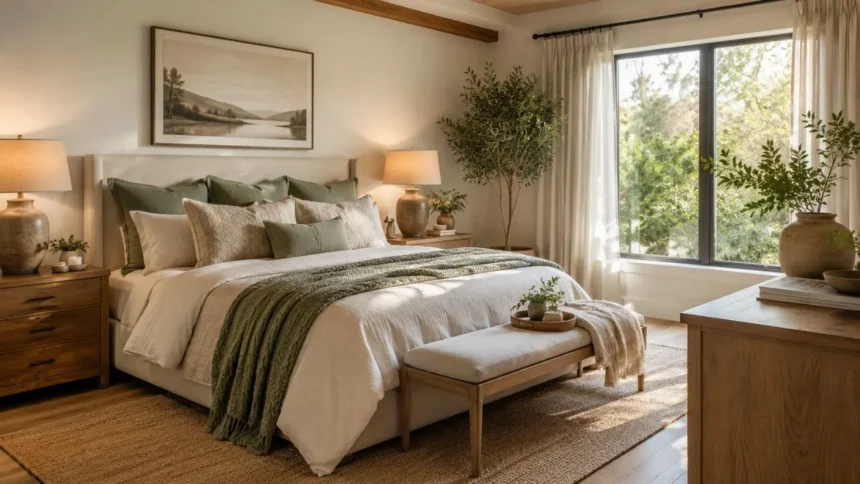
Your bedroom is one of the most personal spaces in your home. It is where you begin the morning, unwind after demanding days and prepare your body for sleep. Thoughtful bedroom decor can make these daily moments feel calmer, more comfortable and easier to enjoy.
Creating a peaceful bedroom does not require a complete renovation or expensive designer furniture. A soothing colour palette, softer lighting, organised surfaces and comfortable bedding can noticeably change the atmosphere. Small decisions often have a greater effect than filling the room with numerous decorative objects.
The best bedroom decor ideas balance beauty with everyday function. Your room should look attractive, but it should also provide practical storage, comfortable movement and easy access to everything you regularly use. A visually impressive bedroom can still feel stressful when clothes, cables and unnecessary furniture compete for space.
This guide shares ten ideas for creating a calm and beautiful bedroom using colour, lighting, texture, storage and personal details. Whether you are decorating a spacious primary bedroom or a compact rented room, each idea can be adapted to your budget, lifestyle and preferred interior style.
Start With the Feeling You Want to Create
Before buying furniture or choosing paint, decide how you want the bedroom to feel. Words such as peaceful, warm, airy, cosy, natural or elegant can guide your decisions. A clear emotional direction prevents you from collecting attractive items that do not work together.
Consider what currently makes the room feel uncomfortable or unfinished. It may be harsh overhead lighting, visible clutter, mismatched furniture or a colour that feels too stimulating. Identifying the main problem helps you spend your budget on changes that will make a meaningful difference.
Look at the room during both daylight and evening hours. Natural light can make colours appear fresh and open, while artificial lighting may reveal cool or muddy undertones. A bedroom should feel comfortable at the time you use it most, not only when sunlight fills the room.
Create a simple mood board using paint samples, fabric swatches and photographs of furniture you already own. Keep the selection limited so the design direction remains clear. Two or three main colours and several complementary textures are usually enough to form a cohesive bedroom scheme.
1. Choose a Soft and Restful Colour Palette
Colour establishes the foundation of a calming bedroom. Warm white, oatmeal, pale taupe, dusty blue, muted green and soft beige can create a restful background without making the room feel empty. These shades are versatile enough to work with many furniture styles and natural materials.
A neutral bedroom does not need to consist entirely of white or grey. Warm khaki, mushroom, clay and light chocolate tones can provide depth while maintaining a quiet atmosphere. These earth-inspired colours work particularly well with cream bedding, wood furniture and woven accessories.
Deeper colours can also feel calming when used deliberately. Navy, forest green, espresso brown and charcoal create a cocooning effect that may suit bedrooms with limited daylight. Balance them with lighter bedding, warm lamps and uncluttered surfaces so the room remains comfortable rather than heavy.
Always test paint colours inside the bedroom before making a final choice. Apply samples to different walls and observe them throughout the day. Flooring, curtains and furniture can reveal hidden undertones that were not obvious when you viewed the colour in a shop or on a screen.
How to Build a Balanced Bedroom Colour Scheme
Begin with one dominant colour for the largest surfaces, such as the walls, flooring or bedding. Choose a supporting shade for curtains, furniture or an upholstered headboard. A smaller accent colour can then appear through cushions, artwork, lamps or decorative objects.
A simple example is warm white walls, oatmeal bedding and olive-green accents. Another combination might use dusty blue walls, cream textiles and walnut furniture. Limiting the main palette gives each colour a clear role and helps the bedroom appear organised.
Repeat important colours in several places rather than using each shade only once. A green cushion might connect with a plant, artwork or patterned throw. This repetition allows separate pieces to feel related without requiring the furniture, curtains and bedding to match exactly.
Remember that texture can create variety within a limited palette. Cream linen, ivory wool and pale cotton may share a similar colour while reflecting light differently. This tonal approach creates a layered bedroom that feels peaceful without becoming plain or visually flat.
2. Make the Bed a Calm Focal Point
The bed is normally the largest feature in the room, so use it as the visual starting point. Position it against the most suitable uninterrupted wall when possible, allowing space to move comfortably on either side. A clear bed placement gives the remaining furniture a logical arrangement.
A headboard can make the sleeping area feel finished and provide a comfortable surface for sitting upright. Upholstered designs add softness, while wood, cane and painted headboards introduce natural texture. Choose a height and width that suit the room rather than automatically selecting the largest design.
Avoid overwhelming the bed with excessive decorative cushions. Two sleeping pillows, one or two supportive pillows and a small accent cushion may be enough for a relaxed arrangement. A simpler bed is quicker to make and creates less visual clutter at the beginning and end of each day.
Allow the bedding to become part of the decor rather than treating it as an afterthought. A plain duvet can be layered with a textured throw or contrasting blanket. Keeping the colours connected with the walls and curtains creates a calm centre that anchors the complete bedroom design.
3. Layer Comfortable and Natural Textures
Texture gives a bedroom warmth and character, especially when the colour scheme is simple. Cotton bedding, linen curtains, wool rugs and woven baskets introduce visual variation without requiring bold patterns. These materials can make an ordinary room feel softer and more carefully designed.
Begin with the bed because it offers the largest opportunity for layering. Combine smooth sheets with a quilted cover, a knitted throw or a washed-linen duvet. The goal is to create comfortable depth without adding so many layers that making the bed becomes inconvenient.
A rug adds softness beneath the feet and can connect the bed with nearby furniture. Choose one large enough to extend beyond the sides of the bed rather than allowing a small rug to float separately. In a compact room, two runners can provide comfort while keeping more flooring visible.
Repeat one or two textures throughout the room for consistency. A woven lampshade can connect with a cane headboard, while a wool cushion can relate to the rug. Controlled repetition produces a more cohesive result than introducing a completely different material through every decorative item.
4. Use Layered Lighting for a Softer Atmosphere
Relying on one bright ceiling fixture can make a bedroom feel flat and overly functional. Layered bedroom lighting combines general illumination with bedside lamps and gentle accent lighting. This approach allows you to adjust the atmosphere according to reading, dressing, relaxing or preparing for sleep.
Choose warm white bulbs for bedside and evening lighting unless you need a cooler task light for a specific activity. Warm illumination usually complements wood, cream fabric and earthy colours. Using similar bulb temperatures throughout the room prevents different corners from appearing disconnected.
Place bedside lamps at a practical height so the light reaches your book or immediate surroundings without shining directly into your eyes. Matching lamps can create balance, but they are not essential. Two different designs can still work when they share a similar size, colour or material.
Add a floor lamp, small dresser lamp or subtle light near artwork when the room has dark corners. Portable lighting is particularly useful for renters because it requires no rewiring. Dimmer switches or adjustable lamps provide greater control and help the bedroom shift gradually from activity to rest.
5. Control Natural Light With Layered Curtains
Window treatments influence privacy, temperature, daylight and the overall softness of a bedroom. Bare windows can make the space feel unfinished, while unsuitable curtains may block too much light during the day. Layering sheer and heavier curtains provides greater flexibility.
Sheer curtains diffuse bright sunlight and protect privacy without completely darkening the room. Heavier panels can then be closed in the evening or when you need more light control. Choose curtain colours that connect with the walls or bedding for a continuous, restful effect.
Hanging curtains slightly above the window can make the ceiling appear taller. Extending the rod beyond each side of the frame allows the fabric to sit away from the glass when open. This arrangement exposes more of the window and helps natural light enter the room.
Blackout curtains may be helpful when outdoor lighting enters the bedroom at night. Check that the fabric covers the complete window rather than leaving bright gaps around the edges. Combine practical light control with soft materials so the window remains attractive during daylight hours.
6. Reduce Visual Clutter With Closed Storage
A calm bedroom needs enough storage for the objects used there. Visible piles of clothing, toiletries and paperwork can make the room feel unfinished even when the colours and furniture are beautiful. Giving each necessary item a consistent location makes daily tidying much easier.
Closed storage creates a quieter appearance than completely open shelving. Drawers, wardrobes, lidded baskets and storage beds can hide practical items while keeping them accessible. Open shelves can still display books or personal objects, but they should not become the main location for everything you own.
Use the space beneath the bed when the room lacks cupboards. Flat storage boxes can hold seasonal clothing, spare bedding or rarely used items. Choose containers with lids to protect their contents and label them so you do not have to open every box when searching.
Avoid adding storage furniture before reducing unnecessary possessions. A larger chest of drawers may simply create room for more clutter. Review clothes and belongings first, then select storage based on what genuinely needs to remain in the bedroom.
Keep Bedside Tables Clear and Practical
Bedside tables can quickly collect chargers, glasses, books, receipts and personal-care products. Keep only the objects needed regularly, such as a lamp, water, tissues or one current book. A clearer surface makes the sleeping area feel calmer and is easier to clean.
Choose bedside furniture with a drawer when you need to store several small items. The hidden compartment can hold medication, cables and personal objects without leaving them visible. A slim wall-mounted shelf may provide enough space in a very small bedroom.
Use a small tray to group loose belongings that must remain on the surface. A tray makes separate objects look like one organised arrangement and prevents them from spreading. Select a material that repeats another feature, such as wood, metal or woven fibre.
Create a simple evening habit of returning unnecessary items to their proper locations. This small routine prevents clutter from building gradually. Waking beside a clear surface can also make the room feel more peaceful at the beginning of the day.
7. Add One Meaningful Piece of Artwork
Artwork can make a calm bedroom feel personal without introducing unnecessary furniture or clutter. Choose one large piece above the bed or dresser rather than filling every available wall. A clear focal point usually creates a more restful impression than several unrelated decorations.
Select artwork with colours that already appear in the room. A landscape may repeat soft green and beige tones, while an abstract piece can connect dusty blue bedding with warm wooden furniture. The artwork does not need to match perfectly, but it should feel connected.
Personal photographs, handmade textiles and collected prints can provide more meaning than generic wall art. Displaying something associated with a positive place, person or memory makes the bedroom feel genuinely yours. Use a consistent frame colour when combining several smaller pieces.
Hang artwork securely and avoid placing heavy items above the bed unless the fixing method is appropriate for the wall and weight. Renters can consider lightweight frames, adhesive systems or art placed on a picture ledge. Always follow weight limits and test removable products carefully.
8. Introduce Plants and Natural Materials
Plants can bring colour and organic shape into a bedroom without adding a busy pattern. A tall floor plant may soften an empty corner, while a small plant works well on a dresser or shelf. Choose varieties according to the room’s actual light rather than appearance alone.
Natural materials can create a similar calming effect even when living plants are impractical. Wood furniture, cane details, stoneware pots, woven baskets and linen fabrics connect the room with nature. These materials tend to develop character over time instead of looking overly polished.
Keep the number of plants manageable. A crowded collection can make a compact bedroom feel visually busy and may create additional maintenance. One healthy, well-positioned plant often contributes more to the design than several struggling pots placed wherever space remains.
Protect floors and furniture by placing waterproof saucers beneath plant containers. Avoid overwatering or allowing moisture to remain trapped against wood. High-quality artificial plants are a reasonable alternative for very dark bedrooms or people who travel frequently.
9. Create Gentle Symmetry Around the Bed
Symmetry can make a bedroom feel organised because the eye understands the arrangement quickly. Matching bedside tables and lamps create an immediate sense of balance, particularly when the bed is centred on the wall. This classic layout works well in calm and elegant interiors.
Perfect matching is not necessary, especially when the room is shared by people with different needs. Bedside tables can vary while maintaining a similar height or visual weight. Lamps can also differ when they share the same finish, shade shape or overall scale.
Use symmetry as a guide rather than a rigid rule. One side of the bed may need a larger table because it includes additional storage, while the other side uses a compact stool. Balance can be restored through artwork, lighting or an object with a similar visual presence.
An asymmetrical room can still feel calm when the arrangement appears deliberate. Keep the major furniture aligned and avoid filling one side with numerous small items. A limited colour palette helps unequal pieces feel connected rather than accidentally mismatched.
10. Keep Technology Visually Quiet
Televisions, laptops, chargers and phones can introduce visual clutter into a bedroom. Where practical, keep work equipment outside the room or store it after use. Creating separation between working and resting activities helps the bedroom maintain a clearer purpose.
Use cable clips, boxes or furniture with cable openings to prevent wires from spreading across floors and bedside surfaces. Group chargers in one location rather than connecting devices around the room. A charging drawer or concealed station can keep necessary technology accessible but less visible.
When a television must remain in the bedroom, place it on a simple console with closed storage. Avoid surrounding it with numerous decorative items that make the wall appear busier. A dark wall behind the screen can reduce its visual contrast when it is switched off.
Set practical boundaries for how technology is used in the room. A beautiful bedroom can still feel mentally active when notifications, work messages and bright screens remain constant. Decor and habits work together when creating a space that supports genuine relaxation.
Bedroom Decor Ideas for a Small Room
A small bedroom benefits from furniture that has a clear function and appropriate scale. Choose a bed size that leaves enough room to move, open wardrobes and access storage. The largest possible bed is not always the most comfortable choice when it dominates every available pathway.
Use vertical space through tall wardrobes, shelving and hooks rather than placing several low storage units around the floor. A storage bed, wall-mounted bedside shelf or narrow chest of drawers can provide useful capacity without making movement difficult.
Keep the colour palette connected to reduce visual interruptions. Warm white walls, similar-coloured curtains and light bedding can make the boundaries feel less noticeable. Deeper colours can still work when used consistently and balanced with suitable lighting.
Mirrors may improve brightness by reflecting a window or lamp. Position them where the reflection is attractive and useful rather than showing clutter. One appropriately sized mirror often looks calmer than several small mirrors scattered around a compact bedroom.
Calm Bedroom Ideas on a Budget
Begin by rearranging the furniture before buying anything new. Changing the bed position, clearing a pathway or moving a dresser away from the window may improve the room at no cost. Live with the new layout briefly before deciding what still needs attention.
Update the bedding with a new duvet cover, throw or cushion covers rather than replacing the bed or headboard. Textiles cover a large visual area and can quickly change the colour scheme. Choose washable materials that remain practical for regular use.
Second-hand furniture can provide good-quality wood pieces at a lower price. Check measurements, stability and condition before bringing anything home. A simple cleaning, new handle or removable decorative finish may be enough to make an older item suit the room.
Improve the lighting with affordable lamps and warmer bulbs. Replacing one harsh source with two or three softer lights can transform the atmosphere more effectively than buying several decorations. Prioritise comfort and function before spending money on purely ornamental accessories.
Common Bedroom Decorating Mistakes
One common mistake is filling every empty wall and surface. Intentional empty space allows the room to breathe and helps meaningful items stand out. A bedroom can feel complete without artwork above every piece of furniture or decorations on every shelf.
Another mistake is choosing a bed and furniture that are too large for the room. Oversized pieces restrict movement and make storage harder to access. Measure the floor, doorways and essential pathways before purchasing any large item.
Using only one ceiling light can make even a well-decorated bedroom feel uninviting. Add bedside or floor lighting so the atmosphere can change during the evening. Comfortable lighting is a functional part of bedroom design rather than a final decorative detail.
Following trends without considering personal comfort can also produce an unsatisfying result. A fashionable colour or minimalist arrangement is not useful when it makes the room feel cold or impractical. Use current ideas selectively and adapt them to your own routines and preferences.
How to Refresh Your Bedroom Without Redecorating
Start by removing everything from the bedside tables, dresser and visible shelves. Clean each surface and return only the objects you use or genuinely enjoy. This simple edit can make the room look more spacious without changing any furniture.
Wash the bedding, curtains and removable cushion covers to refresh their texture and colour. Rotate the mattress where appropriate and replace uncomfortable pillows when necessary. A visually attractive bedroom should also provide physical comfort.
Move artwork, plants and lamps to different locations to create a new arrangement. A lamp placed in a dark corner or artwork positioned above the dresser may change the balance of the room. Experiment before buying additional decorations.
Finish by introducing one seasonal layer, such as a lightweight summer throw or warmer winter blanket. Small changes can keep the bedroom feeling fresh while preserving the main design. A calm space usually benefits from thoughtful adjustment rather than frequent complete makeovers.
Final Thoughts
Creating a calm and beautiful bedroom begins with understanding how you want the room to feel. A restful colour palette, comfortable bed and practical layout form the foundation. Decorative details work best after these essential elements have been considered.
Layered lighting, natural textures and controlled window treatments can soften the atmosphere throughout the day. Closed storage and clear surfaces reduce visual distractions, while meaningful artwork and plants give the bedroom a personal identity.
You do not need to follow every trend or purchase matching furniture. A collected bedroom can feel cohesive when colours, materials and proportions relate to one another. Repetition and careful editing are often more effective than buying a complete coordinated set.
Most importantly, design the bedroom around your daily life. It should be easy to maintain, comfortable to move through and supportive of rest. A beautiful bedroom is not simply one that photographs well—it is a space where you genuinely feel at ease.
Frequently Asked Questions
What Colours Make a Bedroom Feel Calm?
Warm white, muted green, dusty blue, taupe and soft beige can create a peaceful atmosphere. Darker navy, brown or forest green may also feel calming when balanced with warm lighting.
How Can I Make My Bedroom Look More Beautiful?
Start with coordinated bedding, layered lighting and organised surfaces. Add one meaningful artwork, natural texture and a limited accent colour to make the room feel complete.
How Can I Make a Small Bedroom Feel Bigger?
Choose appropriately scaled furniture, keep pathways clear and use vertical storage. Similar wall and curtain colours, raised furniture and a well-positioned mirror can increase openness.
What Should I Put on a Bedroom Wall?
Consider one large artwork, framed photographs, a textile hanging or a simple picture ledge. Avoid filling every wall, as controlled empty space can support a calmer appearance.
How Can I Decorate a Bedroom on a Low Budget?
Rearrange existing furniture, declutter visible surfaces and update cushion covers or bedding. Affordable lamps, second-hand furniture and a fresh wall colour can also create substantial change.