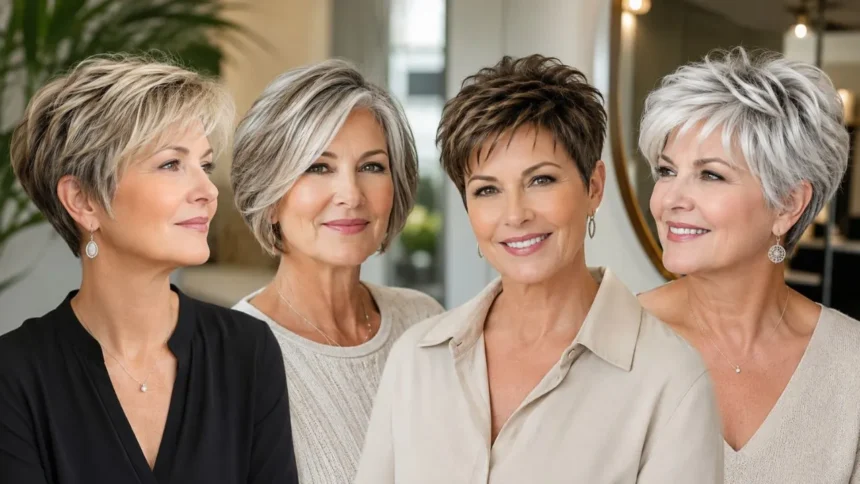
Short Hairstyles for Women Over 50: Flattering and Modern Ideas
Choosing a new hairstyle after 50 is not about following outdated beauty rules or trying to look younger. It is about finding a cut that suits your features, works with your natural hair texture, and makes you feel confident. Short hair can provide that balance by offering a fresh appearance without demanding a complicated daily routine.
The best short hairstyles for women over 50 are comfortable, flattering, and easy to personalise. From elegant bobs to playful pixie cuts, there are options for straight, wavy, curly, thick, and fine hair. The right layers, fringe, texture, and length can also highlight your favourite facial features while creating natural movement.
Hair can gradually change in texture, density, and manageability over time. A hairstyle that worked well several years ago may no longer provide the same shape or volume. Rather than fighting these changes, a thoughtfully chosen short haircut can work with them and make everyday styling feel much easier.
This guide explores stylish short haircuts for mature women, including low-maintenance cuts, hairstyles for fine hair, layered bobs, pixie styles, and flattering options with bangs. You will also learn how to choose a hairstyle based on your face shape, lifestyle, hair texture, and preferred level of maintenance.
Why Short Hairstyles Work So Well After 50
Short hairstyles are popular among women over 50 because they can make hair feel lighter, healthier, and more manageable. Removing excess length can reduce the appearance of dry or damaged ends while helping the hair maintain a more defined shape. A structured cut may also require less time to wash, dry, and style.
A good short haircut can create volume in areas where the hair appears flat or less dense. Strategic layers around the crown help lift the roots, while soft graduation creates the impression of fuller hair. These techniques can be especially useful for women searching for short hairstyles for fine or thinning hair.
Short hair can also draw attention towards the eyes, cheekbones, and jawline. A side-swept fringe may soften the forehead, while face-framing layers can create balance around the cheeks. The aim is not to hide your features but to choose a shape that supports and complements them.
Another benefit is versatility. Short hair does not have to look severe, plain, or overly traditional. Modern short hairstyles for women over 50 can be polished, textured, feminine, edgy, soft, or sophisticated, depending on how the hair is cut and styled.
How to Choose the Right Short Hairstyle
Start by considering your natural hair texture rather than choosing a style based only on a photograph. A sleek jaw-length bob may work beautifully on straight hair, while curls may look better with additional length and internal layering. Working with your texture usually produces a more manageable and realistic result.
Your face shape can also guide the placement of volume, length, and fringe. Round faces may benefit from height at the crown and slightly longer pieces near the jaw. Square faces can be softened with wispy layers, while oval faces can usually carry a wide variety of short haircuts.
Lifestyle is just as important as appearance. A heavily styled pixie may require regular use of wax or texture spray, while a softly layered bob may be easier to air-dry. Think honestly about how much time you want to spend styling your hair before selecting a detailed or high-maintenance cut.
It is also helpful to consider how frequently you are willing to visit the salon. Very short pixie cuts usually need more regular shaping to maintain their structure. A longer bob, bixie, or layered crop can often grow out more smoothly, making it suitable for women who prefer fewer appointments.
Best Short Hairstyles for Women Over 50
The classic pixie cut remains one of the most recognisable short hairstyles for mature women. It can be neat and polished or textured and slightly tousled. A longer pixie with volume on top offers softness, while a closely cropped pixie creates a confident and modern appearance.
A layered bob is another flattering choice because it combines structure with natural movement. Layers can remove heaviness from thick hair or create dimension in fine hair. The length may sit at the jaw, below the chin, or slightly above the shoulders, depending on your preferences.
The bixie haircut, which sits between a bob and a pixie, offers the freedom of short hair without feeling dramatically cropped. It usually includes longer pieces around the ears and nape, along with textured layers through the crown. This makes it a flexible option for women trying short hair for the first time.
Other attractive choices include the French bob, short shag, tapered crop, asymmetrical bob, stacked bob, wavy bob, and curly pixie. Each of these styles can be customised through layering, fringe, length, and texture, allowing the haircut to reflect your personality rather than your age.
Classic Pixie Cuts for a Confident Look
A classic pixie cut is short around the sides and back, with slightly more length through the top. This shape opens the face and can create a neat, lifted appearance. It is an excellent option for women who enjoy a bold hairstyle that does not require long drying or styling sessions.
Women with fine hair may benefit from a textured pixie with choppy layers. These layers create separation and help prevent the hair from lying flat against the scalp. A small amount of lightweight styling paste can define individual pieces without making the hair look stiff or greasy.
For a softer result, choose a longer pixie with side-swept bangs. The additional length around the forehead and temples creates movement while framing the eyes. This version feels feminine and adaptable, as it can be worn smooth for formal occasions or tousled for a relaxed everyday look.
A tapered pixie is another polished option, particularly for women with naturally thick or curly hair. The sides and nape are kept controlled, while the top retains enough length to show texture. This creates a balanced silhouette that feels contemporary without requiring excessive styling.
Layered Bobs That Add Movement and Shape
The layered bob is one of the most versatile short hairstyles for women over 50. It offers enough length to frame the face while remaining easier to manage than long hair. Layers prevent the style from appearing heavy and can be adjusted to suit different hair textures.
A jaw-length layered bob can define the lower face and create a smart, structured appearance. For a softer finish, the front pieces can be cut slightly longer than the back. This subtle angle draws the eye downward and creates movement without making the haircut look overly dramatic.
Women with fine hair may prefer a lightly layered bob rather than one with numerous short layers. Too much layering can sometimes remove valuable density from delicate hair. A blunt baseline combined with gentle layers near the crown can preserve fullness while still creating natural lift.
For thick hair, longer layers can reduce bulk and help the ends sit more smoothly. Internal layering may also prevent the style from becoming triangular or overly wide. A professional stylist can remove weight strategically while maintaining a full and healthy-looking shape.
Short Shag Hairstyles for Effortless Texture
The short shag is a relaxed hairstyle built around movement, texture, and layered volume. It typically features shorter layers near the crown, longer pieces around the sides, and a soft fringe. The slightly undone finish makes it ideal for women who prefer an effortless rather than highly polished appearance.
This style works especially well with naturally wavy hair because the layers encourage the existing texture to form. A small amount of curl cream or lightweight mousse can enhance definition without requiring a curling iron. The result feels modern, casual, and full of personality.
Women with straight hair can also wear a short shag, although some styling may be needed to create separation. A round brush, texture spray, or small amount of styling cream can help shape the layers. Keeping the ends slightly irregular prevents the haircut from looking too rounded or uniform.
A shag can also be adapted for fine hair by using fewer, carefully positioned layers. Excessive thinning should generally be avoided when the hair lacks density. Soft crown layers and wispy face-framing pieces can provide movement while keeping the overall style looking full.
Short Hairstyles for Fine or Thinning Hair
Fine hair benefits from cuts that create structure without removing too much density. A blunt bob, softly stacked bob, or textured pixie can make the ends appear fuller. Keeping the perimeter relatively solid often creates a stronger visual shape than using numerous thin or feathered layers.
A stacked bob includes graduated layers that are shorter at the back and gradually become longer towards the front. This construction creates natural lift through the crown and gives the style a rounded shape. It is particularly useful for women who want volume without relying heavily on styling products.
A side part can also help fine hair appear more lifted. Moving the part away from its usual position encourages the roots to stand higher and creates immediate movement. Side-swept bangs can support this effect while adding softness around the forehead and eyes.
Styling products should be selected carefully because heavy creams and oils may weigh fine hair down. Lightweight mousse, root-lifting spray, or dry texture spray can offer support without stiffness. Applying products mainly at the roots and mid-lengths can help preserve movement at the ends.
Short Hairstyles for Thick Hair
Thick hair can look beautiful when short, but the shape must be carefully balanced. Without the right layering, a short haircut may become bulky around the sides or difficult to control. Longer layers and selective weight removal can help the hair fall into a smoother silhouette.
An angled bob is a flattering choice for thick hair because the longer front sections provide visual length. The shorter back keeps the style manageable, while internal layers prevent the shape from becoming too dense. This style can be worn sleek, softly waved, or naturally textured.
A longer pixie with a tapered nape also works well for thick hair. Keeping the sides controlled prevents excessive width, while the longer top provides styling flexibility. The hair can be swept back, directed to one side, or shaped into textured pieces depending on the occasion.
Women with coarse or thick hair should consider how the cut behaves without heat styling. A style that requires daily straightening may become frustrating over time. Choosing a haircut that follows the hair’s natural growth pattern can reduce effort and produce more consistent results.
Short Hairstyles for Wavy and Curly Hair
Wavy and curly hair can look particularly expressive in a short haircut when the natural curl pattern is respected. A rounded curly bob allows curls to form around the face, while gentle layers prevent the lower section from becoming too heavy. The result can feel soft, lively, and flattering.
A curly pixie is suitable for women who want a shorter and more defined shape. The sides may be tapered while the curls remain longer through the top. This placement creates height and texture while keeping the neckline and area around the ears neat.
For looser waves, a chin-length bob can offer an attractive balance between structure and movement. Subtle layering helps the waves form without creating excessive volume. A side part or soft fringe can provide additional shape around the forehead and cheekbones.
Curly hair often shrinks as it dries, so the final length should be discussed carefully with your stylist. Cutting the hair while considering its natural dry pattern helps prevent it from becoming shorter than expected. Bringing photographs of your hair in its usual state can support a more accurate consultation.
Flattering Short Hairstyles with Bangs
Bangs can transform a short haircut by changing the way the style frames the face. They can highlight the eyes, soften the forehead, or connect layered sections around the temples. The right fringe should suit your hair texture and be manageable within your normal styling routine.
Side-swept bangs are among the most versatile options for women over 50. They provide softness without covering the entire forehead and blend easily into bobs, pixie cuts, and layered crops. Their angled shape can also create a sense of movement around the face.
Wispy bangs are lighter and less structured than a full fringe. They work well with fine hair because they do not require a large amount of density. Soft, separated pieces can create a relaxed appearance while allowing some of the forehead to remain visible.
Curtain bangs may suit women who prefer longer face-framing pieces. They usually part near the centre and gradually blend into the sides of the haircut. On a short bob or shag, curtain bangs can create a balanced shape while remaining easier to grow out than a short, blunt fringe.
Choosing a Short Hairstyle for Your Face Shape
Women with round faces may prefer hairstyles that create height and gentle vertical lines. A voluminous pixie, angled bob, or side-parted crop can help lengthen the overall appearance. Keeping some softness below the cheekbones can also provide balance without adding excessive width.
Square faces often suit short hairstyles with movement around the jaw and temples. Soft waves, feathered layers, and side-swept bangs can reduce the appearance of sharp lines. A rigid chin-length cut may emphasise the jaw, while a slightly longer or textured bob can create softness.
Heart-shaped faces typically feature a broader forehead and narrower chin. A side fringe, jaw-length bob, or textured crop can help balance these proportions. Volume near the lower part of the haircut may create harmony between the forehead, cheekbones, and chin.
Oval faces can usually carry many different short hairstyles, including pixies, bobs, shags, and cropped cuts. The main consideration is often hair texture rather than facial proportion. Even so, adjusting the fringe and layer placement can highlight specific features such as the eyes or cheekbones.
Short Hairstyles That Complement Grey Hair
Grey hair can look striking in a well-shaped short haircut. A polished pixie, layered bob, or textured crop allows the natural variations of silver, white, and darker strands to become part of the style. A defined silhouette can make grey hair appear intentional and sophisticated.
Texture may become more noticeable as hair turns grey, with some strands feeling smoother and others becoming coarser. A layered cut can help these different textures sit together more naturally. Hydrating products may also improve softness and reduce the appearance of dryness.
A silver pixie with longer layers on top can create a bold and elegant look. The movement in the upper section highlights the natural colour variation, while tapered sides keep the shape neat. This style can look equally attractive when worn smooth or lightly tousled.
Women who colour their grey hair can also use a short haircut to make maintenance easier. Highlights, lowlights, or blended grey techniques may create depth without requiring a solid all-over colour. Discussing the expected upkeep with a colourist can help you choose a realistic approach.
Low-Maintenance Short Hairstyles for Busy Women
A low-maintenance haircut should look presentable even when it is not professionally styled. Softly layered bobs, longer pixies, bixie cuts, and natural-texture crops are often practical choices. These styles provide enough structure to hold their shape while allowing some flexibility as they grow.
A wash-and-wear haircut should follow the natural direction of the hair. Strong cowlicks, curls, or growth patterns need to be considered before the hair is cut very short. When these features are incorporated into the design, the style becomes easier to manage at home.
Keeping a little extra length can make a short hairstyle more forgiving. Very precise cuts may lose their shape quickly, while longer layers tend to grow out more gradually. A chin-length bob or extended pixie may therefore suit women who do not want frequent salon appointments.
Low-maintenance does not mean completely maintenance-free. Regular conditioning, occasional trims, and a simple styling product can help preserve the shape. The goal is to create a routine that takes only a few minutes rather than requiring complicated tools or daily heat styling.
How to Style Short Hair at Home
Begin with products designed for your particular hair type. Fine hair usually responds well to lightweight volumising products, while thick or curly hair may need moisture and definition. Using too many products at once can make short hair feel heavy, so start with a small amount.
A blow-dryer can create volume when directed at the roots rather than only through the ends. Using your fingers instead of a brush can produce a relaxed, textured finish. For a smoother bob, a round brush can guide the ends inward or create gentle movement around the face.
Texture paste or styling wax works well for pixie cuts and cropped hairstyles. Rub a small amount between your fingertips before applying it to selected pieces. Concentrating on the ends helps create definition without making the roots appear oily or flat.
Heat protection is important when using a straightener, curling iron, or hot brush. Short hair can still become dry or damaged through repeated heat exposure. Lower temperature settings and fewer passes through each section can help maintain softness and shine.
How Often Should Short Hair Be Trimmed?
The ideal trimming schedule depends on the style, texture, and speed of hair growth. Closely cropped pixies generally lose their shape sooner than longer bobs. Women who want a very precise outline may choose more frequent appointments to keep the neckline and sides controlled.
A longer pixie or bixie may remain manageable as it grows because the layers can transition into a softer shape. Small adjustments around the ears, fringe, and nape can refresh the style without changing the overall design. This makes it a practical option for women who prefer flexibility.
Bobs may require trimming when the ends start to feel uneven or the shape begins to sit heavily around the jaw. Layered bobs can sometimes grow out more naturally than sharply angled cuts. Regular trims also help remove dry ends and preserve a polished outline.
Rather than following a strict schedule, pay attention to how the hairstyle behaves. When it becomes harder to style, loses volume, or no longer frames the face as intended, it may be time for a trim. Your stylist can recommend a schedule based on your specific haircut.
Common Mistakes to Avoid When Choosing Short Hair
One common mistake is selecting a haircut without considering natural texture. A style shown on straight, dense hair may behave very differently on fine curls or coarse waves. Ask how the haircut will look when styled at home rather than only how it appears in a salon photograph.
Another mistake is assuming that shorter automatically means easier. Some highly structured pixies require frequent trims and daily styling to maintain their shape. A slightly longer crop or bob may be more suitable for someone who wants a genuinely low-maintenance hairstyle.
Removing too much density from fine hair can also create problems. Excessive thinning or short layering may cause the ends to appear sparse. Fine hair often benefits from a stronger baseline, subtle crown lift, and carefully placed face-framing pieces instead.
It is equally important not to choose a haircut solely because it is considered age-appropriate. Personal style, comfort, and confidence matter more than traditional expectations. Women over 50 can wear sleek bobs, edgy crops, curly pixies, modern shags, and many other styles successfully.
What to Ask Your Hairstylist Before the Cut
Tell your stylist how you normally wear and manage your hair. Explain whether you air-dry it, use heat tools, prefer a side part, or need to pull sections away from your face. These everyday details help the stylist create a cut that works beyond the salon chair.
Ask how the hairstyle will grow out and how often it may need trimming. Understanding the maintenance schedule can prevent disappointment later. You may love the appearance of a short pixie but decide that a longer bixie is more practical for your routine.
Discuss any areas where your hair feels fine, thick, dry, or difficult to control. A skilled stylist can adjust the layer placement and length to work around these concerns. Mentioning cowlicks and changes in hair density can also help avoid unsuitable fringe or parting choices.
Bring several reference images rather than relying on a single photograph. Choose examples with hair texture and density similar to your own where possible. You can then discuss which elements you like, such as the fringe, neckline, volume, or overall length.
Final Thoughts on Short Hairstyles for Women Over 50
The most flattering short hairstyles for women over 50 are the ones that feel comfortable, manageable, and true to your personality. A haircut should support your lifestyle rather than force you into a demanding routine. It should also help you enjoy your natural texture instead of constantly working against it.
Pixie cuts offer confidence and simplicity, while layered bobs provide softness and versatility. Bixie cuts, short shags, curly crops, and angled bobs give women even more ways to personalise their appearance. Small details such as bangs and face-framing layers can completely change the final result.
Before making a dramatic change, consider your face shape, natural texture, preferred styling routine, and salon schedule. A thoughtful consultation can help translate inspiration photographs into a haircut that works for your individual features and everyday needs.
Age does not limit your hairstyle choices. Whether you prefer a classic, playful, elegant, or modern look, there is a short haircut that can reflect it. The right style can make your hair easier to manage while helping you feel polished, refreshed, and confident.
FAQs
What is the most flattering short hairstyle for women over 50?
Layered bobs, longer pixie cuts, and textured crops are widely flattering because they can be adjusted for different face shapes and hair types. The best option depends on your natural texture, features, and styling preferences.
Do short hairstyles make women over 50 look younger?
A well-shaped short haircut can create a fresh and lifted appearance, especially when it includes movement around the face. However, confidence, healthy-looking hair, and a personalised cut matter more than choosing a style purely to look younger.
What is the best short hairstyle for fine hair over 50?
A blunt bob, softly stacked bob, or textured pixie can make fine hair appear fuller. Avoid excessive thinning, and ask for subtle layers that create lift without removing too much density.
Are bangs suitable for women over 50?
Yes, side-swept, wispy, and curtain bangs can soften the face and highlight the eyes. Choose a fringe that works with your hair texture, forehead, natural growth pattern, and preferred maintenance level.
What is the easiest short hairstyle to maintain?
A softly layered bob, bixie cut, or longer pixie is usually easier to maintain than a very precise cropped style. These hairstyles grow out smoothly and can often be styled with minimal heat and lightweight products.