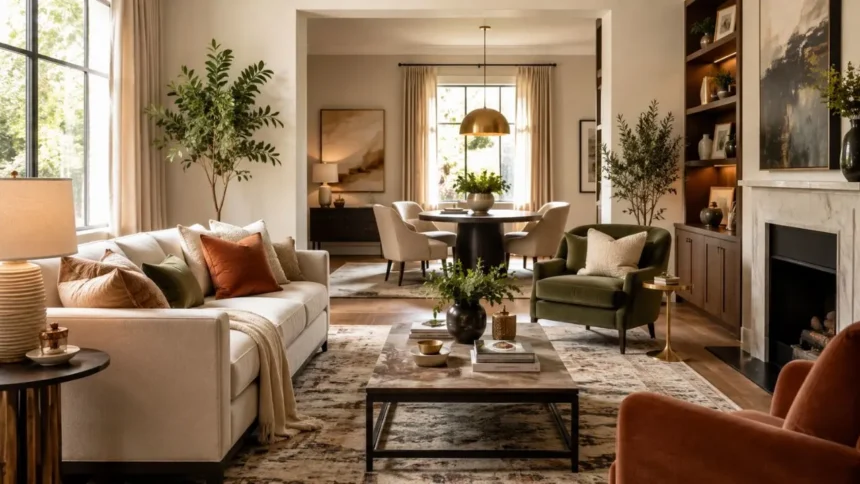
10 Decorating Ideas at Home for a Stylish & Comfortable Space
Finding practical decorating ideas at home can help you improve your living space without starting an expensive renovation. Small decorative changes can make every room feel warmer and more inviting. You can update your home by changing colors, lighting, furniture, and accessories. The right ideas can create a stylish space that still feels comfortable.
Home decoration should always reflect your personality and daily lifestyle. Your rooms should include colors and items that make you feel relaxed. A beautiful home does not need to follow every popular design trend. It should provide comfort while showing your personal taste.
You also do not need a large budget to refresh your home. Many affordable changes can create a noticeable difference in any room. You can reuse furniture, make handmade decorations, or rearrange existing items. Creative thinking is often more valuable than expensive products.
The following decorating tips are suitable for large and small homes. Each idea is simple enough for beginners to understand and apply. You can choose one project or combine several ideas together. Start slowly and enjoy creating a home that feels truly yours.
1. Start With Simple Decorating Ideas at Home
Begin by studying the room you want to decorate. Look at its size, shape, lighting, furniture, and current colors. Notice which parts already look attractive and which areas need improvement. This simple review will help you make better decorating decisions.
Choose a clear interior style before purchasing new items. You may prefer modern, traditional, rustic, minimal, or cozy decoration. Save a few inspiration pictures that match your favorite design style. These images can guide your choices and prevent a confused appearance.
Create a list of the changes you want to make. Place important improvements at the top of your list. Better lighting or storage may be more useful than extra accessories. A clear list will help you remain focused throughout the project.
Planning is one of the most effective simple decorating ideas at home. It reduces unnecessary spending and saves valuable time. It also helps your colors, furniture, and decorative pieces work together. A planned room usually looks more balanced and professionally designed.
2. Try Home Decor Ideas for the Living Room
Your living room is often the most frequently used space at home. It should provide enough comfort for family members and visitors. Begin by removing items that make the room look crowded. A cleaner space will help you see its true decorating potential.
Rearrange your furniture before buying new sofas or tables. Position the seating where people can communicate easily and comfortably. Keep a clear path between the entrance and main seating area. Better furniture placement can make the room feel larger.
Create one main focal point inside your living room. It could be a television, fireplace, window, artwork, or coffee table. Arrange other items so they support this central feature. Too many focal points can make the room look busy.
Successful home decor ideas living room projects combine beauty with comfort. Add cushions, curtains, rugs, or lamps that match your chosen colors. Avoid filling every table and shelf with decorative objects. A few carefully selected pieces will create a more elegant result.
3. Explore Home Decoration Ideas Handmade
Handmade decorations can give your home a unique and personal character. They are also ideal for people who enjoy creative projects. You can use affordable materials that are already available around your home. This makes handmade decorating both enjoyable and budget-friendly.
Turn empty glass jars into attractive flower vases or candle holders. Paint the jars or decorate them with rope and fabric. Old wooden boxes can become shelves or small storage containers. Simple materials can produce beautiful decorations with little effort.
You can also create wall art using paper, fabric, or recycled wood. Choose colors that complement the furniture and walls in your room. Family members can join the project and create their own artwork. This activity can make home decoration more meaningful and enjoyable.
These home decoration ideas handmade can make your space feel special. Handmade items often have more emotional value than shop-bought products. They can also become interesting conversation pieces when visitors arrive. Display them proudly in visible areas of your home.
4. Use Decorating Ideas at Home Easy for Walls
Empty walls can make a decorated room feel incomplete. They offer valuable space for showing artwork, photographs, or personal collections. You can improve them without using expensive materials or professional services. A few well-placed items can completely change their appearance.
Create a gallery wall with framed family photographs and simple prints. Choose frames with similar colors for a clean and connected look. Place the frames on the floor before fixing them to the wall. This allows you to test different arrangements without making mistakes.
Mirrors are another useful choice for decorating empty walls. They reflect light and make dark rooms feel brighter. A large mirror can also make a narrow space appear wider. Choose a frame that matches the style of your furniture.
These decorating ideas at home easy projects can be completed quickly. Floating shelves, wall clocks, and woven hangings are also practical options. Avoid covering every wall with too many decorative pieces. Balanced empty space helps each decoration attract more attention.
5. Apply Home Decor Ideas for Small Homes
Small homes need decoration that supports both beauty and practical use. Too many large items can make limited rooms feel crowded. Begin by removing furniture or accessories that you rarely use. A less cluttered room will immediately appear more spacious.
Use light colors on walls, curtains, and large furniture pieces. White, cream, beige, and pale grey can reflect natural light. These colors help small rooms feel brighter and more open. Add darker shades through cushions, artwork, or smaller accessories.
Choose furniture that can serve more than one purpose. A storage bench can provide seating while hiding household items. Folding tables and nesting stools can save space when not needed. Beds with built-in drawers can reduce the need for extra cabinets.
The best home decor ideas for small homes use vertical space wisely. Install tall shelves or wall-mounted storage instead of filling the floor. Hang curtains close to the ceiling to make walls appear taller. Smart decorating can make a small home feel organized and comfortable.
6. Follow Home Decorating Ideas on a Budget
A limited budget should not stop you from creating a stylish home. Begin by deciding how much money you can comfortably spend. Divide your budget between paint, furniture, lighting, and accessories. This step will prevent unplanned purchases and financial stress.
Visit secondhand shops, local markets, and online resale platforms. You may find affordable tables, mirrors, lamps, and picture frames. Older furniture can look attractive after cleaning, painting, or repairing it. Always inspect each item carefully before making a purchase.
Refresh small details instead of replacing everything in the room. Change cushion covers, curtains, cabinet handles, or lampshades. These affordable updates can create a noticeable visual difference. They also allow you to experiment with new colors and styles.
Practical home decorating ideas on a budget depend on creativity. Reuse decorative items in different rooms to create a fresh arrangement. Turn unused baskets, bottles, or boxes into useful accessories. Thoughtful styling can make affordable items look elegant and valuable.
7. Improve Every Room With Better Lighting
Lighting influences the mood and appearance of every decorated room. Poor lighting can make beautiful colors and furniture look dull. Good lighting can create comfort while improving visibility. Every room should include lighting that matches its purpose.
Use more than one light source whenever possible. Combine ceiling lights with floor lamps, table lamps, or wall lights. This layered approach creates depth and makes the room more flexible. You can adjust the lighting for work, relaxation, or entertainment.
Make full use of natural light during the daytime. Keep windows clean and avoid blocking them with large furniture. Use light curtains that provide privacy without darkening the room. Mirrors can help spread natural light into darker corners.
Choose warm lighting for bedrooms and comfortable living areas. Brighter lights are more suitable for kitchens, offices, and reading spaces. Select fixtures that complement your interior decorating style. Attractive lighting can function as both decoration and practical equipment.
8. Bring Plants and Natural Elements Indoors
Indoor plants can add life, color, and texture to your home. They soften the appearance of furniture and empty corners. Even one healthy plant can make a room feel more welcoming. Choose plants that suit your available space and lifestyle.
Study the natural light before selecting your indoor plants. Some varieties need bright sunlight near a window. Others can grow successfully in rooms with lower light. Select low-maintenance plants when you have limited time for care.
Use decorative pots that match the colors in your room. Ceramic pots can create a clean and modern appearance. Woven baskets and clay containers provide a warmer natural style. Arrange plants at different heights to create visual interest.
You can also decorate with wood, stones, dried flowers, and natural fabrics. These elements add warmth without making the room feel crowded. They work well with modern, rustic, and minimal interiors. Natural decoration can create a calm and relaxing atmosphere.
9. Update Rooms With Soft Furnishings
Soft furnishings can transform a room without permanent changes. Cushions, curtains, rugs, blankets, and bedding are easy to replace. They introduce new colors, patterns, and textures into the space. They can also make furniture feel more comfortable and inviting.
Choose two or three main colors for your soft furnishings. Repeat these colors across cushions, curtains, rugs, and artwork. This creates a connected and balanced appearance throughout the room. Avoid using too many unrelated colors in one small space.
Mix different fabric textures to make the room more interesting. Combine cotton, linen, wool, velvet, or woven materials carefully. Textured fabrics can make a neutral room feel warmer and richer. Keep patterns simple when several textures are already being used.
You can also change soft furnishings according to the season. Use light fabrics and fresh colors during warmer months. Add thicker blankets and deeper shades during colder weather. Seasonal updates will keep your home looking fresh throughout the year.
10. Display Personal Items With Style
Personal items make your home feel unique and meaningful. Family photographs, favorite books, travel souvenirs, and gifts tell your story. They help visitors understand your experiences and personality. Displaying them thoughtfully can strengthen the character of your home.
Group similar objects together instead of spreading them everywhere. Place books in one area and travel items in another. A small collection usually looks more organized and intentional. Use items of different heights to make each display interesting.
Shelves, side tables, and cabinets are ideal for personal decorations. Place larger items at the back and smaller objects near the front. Leave enough space between pieces so they remain easy to see. Crowded displays can make meaningful items lose their impact.
Review your decorative displays every few months. Move some items to different rooms or store them temporarily. Rotating accessories can refresh your home without additional spending. It also gives forgotten items another chance to be appreciated.
Final Thoughts on Decorating Ideas at Home
The best decorating ideas at home do not always require major renovations. Small and thoughtful improvements can create a completely different atmosphere. Better lighting, furniture placement, and accessories can refresh any room. Start with changes that match your needs and available budget.
Decorate one room at a time instead of changing the entire house. This approach makes the project easier to organize and complete. It also allows you to learn from each decorating decision. You can use that experience when improving the next room.
Remember that comfort and function are just as important as appearance. Choose furniture and decorations that support your everyday routine. Avoid adding items only because they are currently fashionable. Your home should remain practical while reflecting your personal style.
Choose one idea from this guide and begin your project today. You can rearrange furniture, create handmade art, or improve your lighting. Even a small update can make your home feel fresh and welcoming. Which decorating idea would you like to try first?