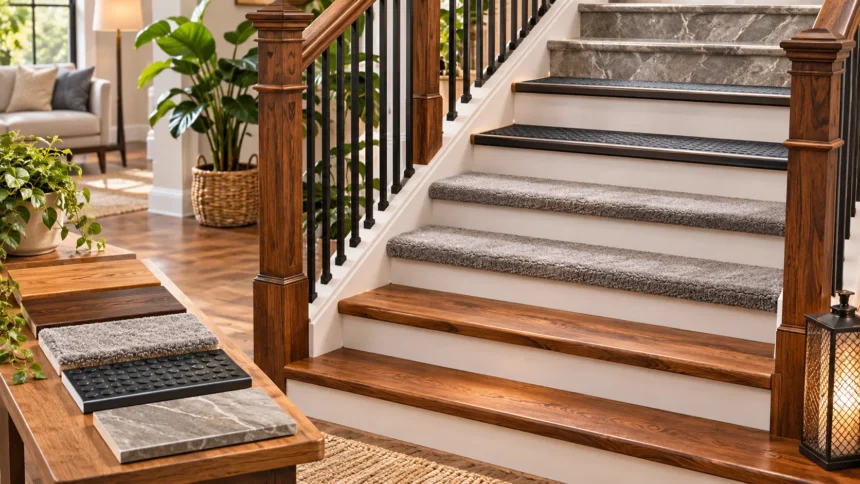
Stairs are an essential part of many homes, but choosing the right materials for them can be more complicated than expected. Worn surfaces, slippery steps, and unsuitable materials can affect comfort, appearance, and everyday safety. Whether you are renovating an existing staircase or planning a new installation, selecting suitable stair treads is an important decision. The right choice can improve traction, complement your interior design, and support long-term durability.
Stair treads come in different materials, finishes, sizes, and designs, making them suitable for residential and commercial spaces. Hardwood, laminate, rubber, carpet, and metal options each provide different benefits depending on the environment. Understanding these differences can help you avoid unnecessary expenses and choose a practical solution. This guide explains the main types of stair treads, their common uses, installation considerations, maintenance requirements, and helpful buying tips.
What Are Stair Treads?
Stair treads are the horizontal surfaces of stairs where people place their feet while moving up or down. They form an important part of staircase construction and influence both safety and appearance. Treads may be made from wood, metal, concrete, or other structural materials. Some staircases also have additional coverings that improve comfort and traction.
A typical staircase includes treads, risers, stringers, and handrails, although designs can vary. The tread provides the walking surface, while the riser is the vertical section between consecutive steps. Stringers support the staircase structure, and handrails provide support for users. Understanding these components helps when choosing replacement materials or planning renovations.
Stair treads can be structural components or coverings installed over existing steps. This distinction matters because decorative overlays do not necessarily provide structural support. Buyers should identify which type their staircase requires before purchasing materials. Proper selection helps ensure the finished stairs meet practical requirements and applicable building regulations.
Why Choosing the Right Stair Treads Matters
The right stair treads can improve traction and help reduce the risk of slipping during everyday use. Staircases experience repeated foot traffic, making surface quality particularly important. Materials that become excessively smooth or damaged may create avoidable hazards. Choosing appropriate finishes and maintaining the steps can support safer movement.
Stair treads also influence the overall appearance of a home’s interior. Wooden treads can complement traditional or contemporary spaces, while metal and concrete options often suit industrial designs. Carpet coverings may introduce softness and color. Matching the staircase with surrounding flooring can create a more coordinated interior.
Durability and maintenance are equally important when selecting stair materials. A busy household may need surfaces that resist scratches, stains, and regular wear. Other homeowners may prioritize warmth, noise reduction, or easy cleaning. Understanding these needs helps narrow the options and prevents choosing materials based only on appearance.
Different Types of Stair Treads
Stair treads are available in several categories based on their materials and construction. Common options include hardwood, engineered wood, laminate, carpet, rubber, metal, and concrete. Each type offers different levels of durability, maintenance, and design flexibility. The best choice depends on the staircase location and its expected daily use.
Structural stair treads are designed to support loads as part of the staircase assembly. Covering products, sometimes called stair tread overlays or stair mats, are installed over existing structural steps. These products serve different purposes and should not be treated as interchangeable. Understanding the difference is particularly important during renovation projects.
Indoor and outdoor stair treads also require different performance characteristics. Interior products often emphasize appearance and comfort, while exterior options must withstand moisture and changing temperatures. Some materials are suitable for both locations when correctly specified. Buyers should review product descriptions carefully to confirm intended applications before installation.
Hardwood Stair Treads for a Classic Look
Hardwood stair treads are popular because they provide a natural appearance and can complement many flooring styles. Oak, maple, ash, and other hardwood species offer different grain patterns and colors. These materials can work well in traditional and modern homes. Their appearance may also change depending on the stain and finish used.
One advantage of solid hardwood is that suitable treads can sometimes be sanded and refinished. This can extend their usable life when surface wear occurs. However, refinishing possibilities depend on tread thickness and construction. Hardwood may also react to moisture and humidity changes, making proper installation and environmental conditions important.
When choosing hardwood, consider the species, grade, finish, and compatibility with the staircase structure. Smooth finishes can become slippery under certain conditions, so traction deserves attention. Proper cleaning and maintenance help protect the surface. Hardwood is a practical option for homeowners who appreciate natural materials and are prepared for periodic upkeep.
Engineered Wood Stair Treads for Modern Homes
Engineered wood stair treads use layered construction rather than a single piece of solid timber. Many products feature a real wood surface bonded to a stable core. This design can provide a natural wood appearance with different performance characteristics. However, quality and suitability vary considerably between manufacturers and product specifications.
Engineered wood may be useful when homeowners want to coordinate their stairs with existing engineered flooring. Matching finishes can create visual consistency between rooms and staircases. Some products are specifically designed as renovation overlays. Others may be intended for different construction methods and should not be substituted without proper verification.
Before purchasing engineered stair treads, check their structural rating, thickness, wear layer, and installation instructions. Not every engineered wood plank is suitable for staircase use. Certain products also require compatible stair nosing components. Selecting a purpose-designed system helps reduce installation problems and supports long-term performance.
Laminate Stair Treads for Affordable Renovations
Laminate stair treads offer a manufactured surface designed to resemble wood, stone, or other materials. Many homeowners consider laminate because it can provide a coordinated appearance without the cost of some natural flooring options. Different colors and patterns make it suitable for varied interiors. However, performance depends heavily on product quality.
Laminate surfaces can resist certain types of everyday wear, but damaged areas may be difficult to repair. Unlike solid hardwood, most laminate products cannot be sanded and refinished. Moisture exposure can also cause problems in susceptible products. Choosing materials specifically rated for stair applications is important.
Stair nosing and edge details require particular attention when installing laminate. A poorly secured edge may become a tripping hazard over time. Homeowners should follow the manufacturer’s approved installation system rather than adapting ordinary flooring planks without guidance. Correct installation makes a significant difference in safety, appearance, and durability.
Carpet Stair Treads for Comfort and Noise Reduction
Carpet stair treads are fabric coverings placed over the walking surfaces of existing stairs. They can provide a softer feeling underfoot and may reduce noise from footsteps. Carpet coverings are available in different textures, patterns, and colors. Some cover the entire step, while others leave part of the original surface visible.
One benefit of carpet is the additional traction that suitable materials may provide. However, loose or poorly attached carpet can create tripping hazards. Product backing, fastening methods, and edge stability are therefore important considerations. Buyers should not assume every decorative stair mat provides reliable slip resistance.
Carpet coverings require regular cleaning because dirt, dust, and debris can accumulate within the fibers. Some removable products are easier to maintain than permanently installed carpeting. Material choice also influences stain resistance and durability. Carpet is worth considering when comfort, noise control, and a softer appearance are priorities.
Rubber Stair Treads for Extra Traction
Rubber stair treads are commonly used in areas where traction and durability are important. They are available in different surface textures, including raised patterns and ribbed finishes. Rubber coverings may be suitable for residential utility stairs, commercial buildings, and certain outdoor applications. Their practical design makes them useful in busy environments.
Many rubber products are designed to resist everyday wear and provide traction under specified conditions. However, performance can vary depending on moisture, contaminants, footwear, and product quality. Some rubber materials are intended only for indoor use. Buyers should verify the manufacturer’s slip-resistance information and environmental recommendations.
Installation methods may include approved adhesives or other manufacturer-specified fastening systems. Correct surface preparation is important because loose corners and edges can create hazards. Rubber coverings also require appropriate cleaning products to maintain their condition. This material can be a practical option when durability and functional performance matter more than decorative appearance.
Metal Stair Treads for Industrial and Outdoor Spaces
Metal stair treads are commonly found in industrial facilities, commercial buildings, and outdoor staircases. Steel and aluminum are frequently used because they provide strength when properly designed and installed. Different surface patterns can improve traction in demanding environments. Metal stair systems may also suit contemporary architectural designs.
Open grating and textured metal treads can allow water or debris to pass through certain designs. This may be useful for exterior or industrial stairways, depending on local conditions. However, metal surfaces can become slippery when contaminated or improperly maintained. Corrosion resistance and appropriate surface treatments are essential considerations.
Steel products may require protective coatings, while suitable aluminum systems offer different corrosion and weight characteristics. Structural capacity must be verified for the intended application. Professional installation is particularly important when metal treads form part of a load-bearing staircase. Buyers should review relevant specifications rather than choosing solely by appearance.
Concrete Stair Treads for Long-Lasting Performance
Concrete stair treads are widely used in buildings where strength and durability are important. They may form part of a cast-in-place staircase or be manufactured as separate precast components. Concrete can work well in both indoor and outdoor environments when designed appropriately. Its appearance can range from basic utility finishes to decorative architectural surfaces.
One advantage of concrete is its ability to support substantial loads as part of an appropriately engineered system. Textured finishes can also help provide traction. However, smooth or polished concrete may become slippery when wet. Surface treatment and drainage are particularly important for outdoor steps.
Concrete stairs may require periodic inspection for cracks, surface damage, or other deterioration. Repairs should address underlying causes rather than simply covering visible problems. Precast components must also be installed according to structural requirements. Concrete is a useful choice when durability, stability, and low-maintenance design are important priorities.
Non-Slip Stair Treads for Better Safety
Non-slip stair treads are designed to improve traction on walking surfaces. They are especially useful where steps may become slippery because of moisture, smooth finishes, or regular foot traffic. Common options include textured rubber, abrasive strips, and purpose-made adhesive coverings. Each product provides different performance characteristics depending on its material and installation.
Non-slip coverings can be installed on suitable existing stairs without replacing the entire structure. However, the application surface must be clean, dry, and compatible with the product’s attachment method. Improperly fitted coverings can peel or develop raised edges. Buyers should check independent slip-resistance information when available rather than relying only on marketing descriptions.
Safety also depends on lighting, step consistency, handrails, and routine maintenance. Adding a non-slip covering cannot correct serious structural problems or unsuitable stair dimensions. Regularly inspect installed products for wear and loose sections. A complete approach to staircase safety is more reliable than depending on one surface treatment.
How to Choose the Right Stair Tread Size
Choosing the correct dimensions is essential when purchasing stair treads. The tread depth determines the available horizontal walking surface, while width affects how the product fits across the staircase. Existing stairs may have different measurements from standard replacement products. Accurate measurements help prevent gaps, overhangs, and installation problems.
Measure the usable width and depth of each step before ordering materials. Check whether the staircase includes nosing, curved edges, or unusual step shapes. Staircase dimensions must comply with applicable local building codes, which vary by location and building type. Decorative coverings should never create inconsistent step heights or unsafe edges.
Manufacturers often provide detailed product dimensions and installation requirements. Compare these specifications with your measurements instead of assuming a standard size will fit. For structural replacements, a qualified staircase professional should verify dimensions and load requirements. Careful planning reduces material waste and helps ensure a practical finished result.
Important Features to Consider Before Buying Stair Treads
Material quality should be one of the first considerations when comparing stair treads. Products intended for heavy use may require different construction from those used on a lightly traveled residential staircase. Check the manufacturer’s recommendations for traffic levels and environmental conditions. Durable materials can reduce replacement needs when selected for appropriate applications.
Surface traction, edge design, and attachment methods are equally important. A well-made product should remain secure during normal use and provide suitable footing. If purchasing stair overlays, confirm compatibility with the existing surface. Some installation systems require specific adhesives, fasteners, or preparation methods to perform correctly.
Maintenance requirements and overall cost also influence the purchasing decision. A lower initial price may not provide good value if the product needs frequent replacement. Consider cleaning supplies, professional installation, and potential repairs alongside material expenses. Comparing the complete ownership cost helps homeowners select products that meet both practical needs and budgets.
Stair Tread Installation and Maintenance Tips
Proper installation begins with inspecting the existing staircase. Loose, damaged, or uneven structural components should be repaired before adding decorative coverings. The surface must also meet the requirements of the selected product. Installing new materials over an unstable staircase can hide problems rather than resolve them.
Some nonstructural stair coverings are designed for straightforward installation, while other products require specialized skills. Structural tread replacement should generally involve a qualified professional. Follow manufacturer instructions for adhesives, fasteners, curing conditions, and edge placement. After installation, check that every step is secure and free from raised or loose sections.
Routine maintenance helps preserve the condition and appearance of stair treads. Clean surfaces using products compatible with the material and inspect them periodically for wear. Replace loose coverings promptly and address damaged structural components through appropriate repairs. Regular care helps keep stairs functional, attractive, and suitable for everyday use.
Conclusion
Stair treads play an important role in staircase safety, durability, and overall appearance. Hardwood, engineered wood, laminate, carpet, rubber, metal, and concrete each provide different benefits. Choosing the right material depends on the staircase location, traffic levels, and maintenance expectations. Understanding these differences helps homeowners make more practical purchasing decisions.
Before buying stair treads, consider accurate measurements, slip resistance, installation requirements, and product durability. Decorative coverings should be compatible with the existing staircase, while structural replacements must meet relevant building requirements. Proper installation is essential because loose edges and uneven surfaces can create hazards. Investing in suitable materials can help reduce unnecessary repairs.
The best stair treads are those that fit your space, support safe movement, and complement your preferred interior style. Compare product specifications carefully instead of focusing only on price or appearance. Regular cleaning and inspections can help extend their useful life. With thoughtful planning, your staircase can remain practical and visually appealing for years.
Frequently Asked Questions (FAQs)
What are the best materials for stair treads?
Hardwood, rubber, carpet, metal, and concrete are common options. The best material depends on staircase construction, indoor or outdoor use, foot traffic, maintenance requirements, and the level of traction needed.
Are stair treads necessary for every staircase?
Every staircase requires suitable structural walking surfaces, but additional decorative tread coverings are not always necessary. Overlays can improve comfort or traction when properly selected and securely installed on existing steps.
How do you measure stair treads correctly?
Measure the usable width and depth of each step, including relevant nosing details. Check multiple steps because dimensions may vary, and compare your measurements with the manufacturer’s installation requirements.
Can you install stair treads yourself?
Some decorative stair mats and overlays are designed for homeowner installation. However, structural tread replacement, complex staircase repairs, and projects affecting building code compliance should be handled by qualified professionals.
How long do stair treads usually last?
Lifespan depends on material quality, installation, foot traffic, and maintenance. Well-maintained structural treads can last for many years, while removable coverings may require replacement sooner because of regular wear.