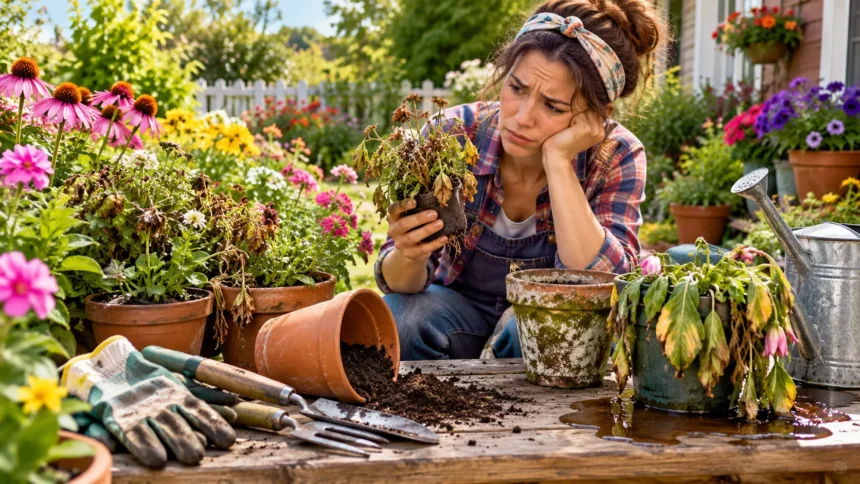
Flower gardening is one of the most rewarding ways to bring natural beauty, color, and freshness into your outdoor space. Whether you have a spacious backyard, a small garden bed, or a few containers on your balcony, growing flowers can transform an ordinary area into a colorful retreat. However, beginners often make simple gardening mistakes that prevent their flowers from growing properly.
Starting a flower garden may seem straightforward, but healthy plants require the right combination of sunlight, water, soil, nutrients, and regular maintenance. Choosing unsuitable flowers, overwatering, or planting at the wrong time can lead to weak growth and disappointing blooms. Understanding these common flower gardening mistakes helps beginners create healthier gardens while avoiding unnecessary frustration.
The good news is that most gardening problems can be prevented with proper planning and basic plant care knowledge. You do not need professional gardening experience to grow beautiful flowers successfully. This guide explores the most common flower gardening mistakes beginners should avoid and explains practical ways to grow stronger plants, encourage blooming, and maintain a beautiful flower garden.
Choosing the Wrong Flowers for Your Climate
One of the most common flower gardening mistakes beginners make is selecting plants without considering their local climate. Different flowers have specific temperature, humidity, and seasonal requirements that affect their growth. Choosing flowers that cannot tolerate local conditions often results in poor blooming, weak stems, or plants that struggle to survive.
Before purchasing seeds or seedlings, research which flowering plants grow naturally or successfully in your region. Some flowers, such as marigolds and zinnias, generally perform well in warm growing conditions. Others, including pansies and sweet peas, often prefer cooler temperatures and may struggle during intense summer heat.
Beginners should also understand local frost dates and growing seasons before starting a garden. Planting climate-appropriate flowers reduces maintenance requirements and improves the chances of successful blooming. Local nurseries and plant labels can provide useful guidance when selecting flowers suited to your garden environment.
Planting Flowers in the Wrong Location
Choosing the wrong planting location can significantly affect flower growth and overall garden performance. Some flowering plants need several hours of direct sunlight, while others grow better in partial shade. Placing flowers in unsuitable lighting conditions may prevent healthy development and reduce the number of blooms.
Before planting, observe how sunlight moves across your garden throughout the day. Areas receiving six or more hours of direct sunlight are often suitable for sun-loving flowers such as sunflowers, zinnias, and cosmos. Shadier locations may be better for plants such as impatiens or certain begonias.
Beginners should also consider wind exposure, drainage, and available growing space when choosing a location. Strong winds can damage delicate flowers, while poorly drained areas may encourage root problems. Selecting a suitable planting site from the beginning helps create healthier plants and reduces the need for frequent adjustments.
Overwatering Flower Plants
Overwatering is one of the biggest mistakes beginners make when caring for flowers. Many new gardeners believe that watering plants every day automatically improves growth and flowering. However, excessive moisture can reduce oxygen around plant roots and encourage fungal diseases or root rot.
Different flowering plants have different watering requirements depending on their species, soil type, and weather conditions. Instead of following a fixed daily schedule, check soil moisture before watering. If the upper layer of soil remains damp, many established garden flowers may not need additional water immediately.
Watering deeply when needed is often more beneficial than repeatedly applying small amounts of water. This approach encourages roots to grow into deeper soil layers and improves drought tolerance in suitable plants. Always adjust watering frequency according to temperature, rainfall, drainage, and the specific needs of your flowers.
Not Watering Flowers Enough
While overwatering causes problems, underwatering can also damage flowering plants and limit their growth. Flowers need sufficient moisture to transport nutrients, maintain healthy leaves, and support blooming. When soil becomes excessively dry, plants may wilt, develop brown leaf edges, or produce fewer flowers.
Newly planted flowers usually require more frequent moisture checks because their root systems are still developing. Container flowers may also dry out faster than plants growing directly in garden beds. During hot or windy weather, beginners should monitor soil conditions carefully to prevent unnecessary water stress.
A useful approach is to check moisture a short distance beneath the soil surface before watering. Water slowly enough to reach the root zone without creating excessive runoff. Maintaining consistent moisture according to each plant’s requirements supports stronger growth and healthier flowers throughout the growing season.
Ignoring Soil Quality Before Planting
Healthy soil provides the foundation for a successful flower garden, yet many beginners overlook its importance. Poor soil structure, inadequate drainage, and nutrient deficiencies can prevent flowering plants from growing properly. Simply placing flowers into existing garden soil without evaluating its condition may lead to disappointing results.
Before planting, examine whether the soil is compacted, sandy, or excessively clay-heavy. Adding suitable organic matter, such as finished compost, can improve soil structure and moisture management. However, soil amendments should match existing conditions rather than being added without considering what the garden actually needs.
Soil testing can also help identify nutrient levels and pH conditions that may affect plant growth. Different flowers tolerate different soil environments, so universal soil recommendations are not always appropriate. Preparing the soil properly before planting gives flowers a stronger foundation for root development and seasonal blooming.
Planting Flowers Too Close Together
Beginners often plant flowers too close together because small seedlings appear to leave excessive empty space. However, flowering plants usually expand significantly as their roots, stems, and leaves develop. Overcrowding can restrict airflow, increase competition for nutrients, and reduce overall flowering performance.
Every plant species has recommended spacing requirements based on its mature size and growth habit. For example, compact bedding flowers generally require less room than tall sunflowers or large flowering perennials. Following plant labels or seed packet instructions helps ensure each flower receives sufficient growing space.
Proper spacing also makes gardening tasks such as watering, pruning, and removing weeds easier. Good airflow around foliage can reduce conditions that encourage certain fungal diseases. Although newly planted flower beds may initially look sparse, allowing room for mature growth creates a healthier and more attractive garden.
Planting Flowers at the Wrong Time
Planting flowers during unsuitable weather conditions is another common gardening mistake. Some flowers grow best during warm seasons, while others prefer cooler temperatures. Planting too early or too late can expose young plants to frost, excessive heat, or unfavorable growing conditions.
Beginners should distinguish between cool-season and warm-season flowers before planting. Cool-season varieties may perform well during spring or autumn in suitable climates. Warm-season flowers typically require warmer soil and should be planted after the danger of damaging frost has passed.
Checking local growing calendars helps gardeners select appropriate planting dates for seeds and transplants. Weather forecasts are also useful when preparing for unusual temperature changes. Planting flowers at the right time supports stronger establishment, reduces transplant stress, and improves the likelihood of successful flowering.
Using Too Much Fertilizer
Fertilizer can support healthy flower growth when plants need additional nutrients, but applying too much can create serious problems. Excess fertilizer may damage roots, increase soil salt levels, or encourage excessive leafy growth instead of flowers. Beginners sometimes assume that more plant food will automatically produce larger and brighter blooms.
Flowering plants require balanced nutrition, including nitrogen, phosphorus, potassium, and smaller amounts of other essential nutrients. The correct fertilizer depends on existing soil conditions and individual plant requirements. Applying nutrients without identifying a deficiency may waste money and negatively affect plant health.
Start by following product instructions and using soil test results when available. Avoid applying extra fertilizer simply because a plant is growing slowly, since poor growth may have other causes. Responsible fertilizing supports healthy roots, strong stems, and reliable flowering without creating unnecessary stress.
Forgetting to Remove Weeds
Weeds compete with flowering plants for sunlight, moisture, nutrients, and growing space. When left unmanaged, they can spread rapidly and interfere with developing flowers. Beginners sometimes focus entirely on watering and fertilizing while overlooking the importance of regular weed control.
Removing weeds while they are young is usually easier than dealing with established plants that have extensive root systems. Hand-pulling, careful cultivation, and suitable mulching can help reduce weed growth. Gardeners should remove weeds carefully to avoid damaging nearby flower roots or disturbing delicate seedlings.
Regularly inspecting flower beds allows beginners to identify unwanted plants before they become difficult to manage. Maintaining clear growing areas also improves the overall appearance of the garden. Consistent weed management helps flowers access the resources they need for healthy growth and attractive blooms.
Skipping Mulching Around Flowers
Mulching is a useful gardening practice that many beginners forget when establishing flower beds. A suitable mulch layer helps conserve soil moisture, moderate soil temperatures, and reduce weed growth. It can also improve the appearance of a garden by creating a neat, finished surface around flowering plants.
Organic mulches such as shredded leaves, composted bark, and suitable wood chips are commonly used in flower gardens. The appropriate material depends on plant preferences and local conditions. Most garden beds benefit from a moderate layer rather than excessive mulch that restricts airflow near plant crowns.
Avoid piling mulch directly against flower stems because trapped moisture may encourage decay. Leave a small gap around the base of each plant to promote healthy growing conditions. When applied correctly, mulch can reduce maintenance requirements and help flowering plants handle changing weather conditions more effectively.
Ignoring Pests and Plant Diseases
Pests and diseases can affect flower gardens even when plants receive proper water and sunlight. Common problems include aphids, spider mites, powdery mildew, and various leaf-spot diseases. Beginners who ignore early symptoms may allow manageable problems to spread throughout their flower beds.
Inspect leaves, stems, buds, and flowers regularly for unusual spots, distorted growth, or visible insects. Identifying the actual problem is important because not every insect found in a garden is harmful. Many beneficial insects, including lady beetles and pollinators, contribute positively to garden health.
Good prevention practices include appropriate plant spacing, correct watering, and removing severely affected plant material when necessary. If treatment is needed, choose methods suitable for the identified problem and follow product instructions carefully. Early observation and responsible management help protect flowers without unnecessary chemical applications.
Not Deadheading Spent Flowers
Deadheading involves removing faded or spent flower heads from plants after their blooms begin to decline. Many beginners overlook this simple maintenance task, allowing older flowers to remain until they produce seeds. For some flowering varieties, seed production can reduce the energy available for additional blooming.
Flowers such as petunias, zinnias, and certain roses may benefit from regular deadheading, depending on the variety. Removing spent blooms can improve the garden’s appearance and encourage some plants to produce additional flowers. However, not every flowering plant needs deadheading to continue blooming.
Use clean, suitable pruning tools or gently remove spent flowers according to the plant’s growth habit. Avoid cutting healthy developing buds or damaging nearby stems. Learning which plants benefit from deadheading helps beginners maintain attractive flower displays without performing unnecessary garden maintenance.
Pruning Flowering Plants Incorrectly
Pruning can improve plant structure, remove damaged growth, and encourage healthy development when performed correctly. However, beginners sometimes prune flowering plants without understanding when or how they bloom. Cutting at the wrong time may remove developing buds and reduce flowering for an entire season.
Different flowering plants require different pruning schedules and techniques. Some shrubs develop flower buds on older stems, while others bloom on new seasonal growth. Understanding these growth patterns helps gardeners determine whether plants need pruning before or after their main flowering period.
Beginners should remove dead or damaged material when appropriate and research the pruning needs of each plant. Avoid cutting heavily simply to make flowers appear smaller or tidier. Careful pruning preserves healthy growth and supports the natural flowering cycle of ornamental plants.
Growing Flowers Without Considering Their Mature Size
A flower garden may look perfectly arranged when seedlings are first planted, but mature plants can change the entire layout. Beginners sometimes choose flowers based only on their appearance in nursery containers. This can result in tall plants blocking sunlight from smaller varieties or spreading plants overwhelming nearby flowers.
Before planting, check each flower’s expected height, width, and growth habit. Taller varieties usually work well toward the back of traditional borders, while shorter flowers can fill the front. In circular beds, taller plants may be positioned near the center for better visibility.
Considering mature size also helps gardeners create balanced flower combinations with appropriate spacing. Plants that grow aggressively should receive enough room or suitable containment. Planning the arrangement before planting reduces overcrowding and allows flowers to develop into a visually appealing garden.
Choosing Too Many Flower Varieties at Once
Starting a flower garden can be exciting, especially when nurseries offer numerous colorful plants. However, beginners sometimes purchase too many varieties without understanding their different care requirements. Managing flowers with conflicting sunlight, watering, and soil preferences can quickly become confusing and time-consuming.
A better approach is to begin with a smaller selection of flowers that have similar growing needs. Easy-to-grow annuals such as marigolds, cosmos, and zinnias can be suitable choices in appropriate climates. Gardeners can gradually experiment with additional varieties as their confidence and experience increase.
Grouping compatible flowers also simplifies garden maintenance and creates a more organized appearance. Plants requiring similar amounts of sunlight and moisture are easier to care for together. Starting with a manageable selection helps beginners develop practical gardening skills while enjoying more consistent flowering results.
Forgetting to Support Tall Flowering Plants
Tall flowering plants can become unstable when they develop heavy blooms or face strong winds. Beginners may forget to provide support until stems begin bending or falling over. This problem is common with certain dahlias, delphiniums, and other varieties that produce tall or heavy flower stalks.
Plant supports such as stakes, cages, and suitable garden rings can help maintain upright growth. Installing supports while plants are still relatively small reduces the risk of damaging established roots later. Soft plant ties should hold stems securely without restricting natural movement or growth.
Not every tall flower requires staking, so gardeners should consider the variety and growing conditions. Plants in sheltered locations may remain stable without additional support. Providing assistance when needed protects delicate stems and helps maintain an attractive flower display throughout the season.
Ignoring Pollinators in the Flower Garden
Pollinators such as bees, butterflies, and certain birds play an important role in flowering plant reproduction. Beginners sometimes focus entirely on flower appearance without considering how garden choices affect beneficial wildlife. Creating a pollinator-friendly environment can improve garden biodiversity and support a healthier outdoor ecosystem.
Choosing a variety of flowering plants with different bloom periods helps provide nectar and pollen across the growing season. Native flowering species are often particularly valuable for local pollinators. Gardeners should also consider flower shapes and accessibility because different pollinators feed on different types of blooms.
Avoid unnecessary pesticide applications, especially when pollinators are actively visiting flowers. Providing sheltered spaces and maintaining suitable flowering plants can make gardens more welcoming to beneficial insects. A garden designed with pollinators in mind offers beauty while contributing positively to the surrounding environment.
Not Understanding Annual and Perennial Flowers
Beginners sometimes purchase flowers without understanding whether they are annuals or perennials. Annual flowers generally complete their life cycle within one growing season, while perennials can survive for multiple years under suitable conditions. Confusing these categories may lead to unrealistic expectations about how long plants will remain in the garden.
Annual flowers often provide colorful displays during a single growing season and may bloom for extended periods. Perennials typically return from surviving roots or crowns and can form the long-term structure of a flower garden. Their flowering periods and maintenance needs vary widely depending on species and climate.
Combining annual and perennial flowers can create a garden with both seasonal flexibility and lasting structure. Beginners should research winter hardiness, expected lifespan, and blooming habits before purchasing plants. Understanding these differences makes garden planning easier and helps avoid unnecessary replacement costs.
Neglecting Flower Container Drainage
Container gardening is popular among beginners because it allows flowers to grow on balconies, patios, and small outdoor spaces. However, using containers without adequate drainage can cause water to accumulate around plant roots. Prolonged waterlogging may lead to poor growth, yellowing leaves, and root problems.
Most flowering plants grown in containers need pots with suitable drainage holes. Gardeners should also use a growing medium designed for containers rather than dense soil taken directly from the garden. Quality potting mixes generally provide a better balance of moisture retention, drainage, and root aeration.
Check containers regularly because their moisture levels can change quickly during hot or windy weather. Empty standing water from saucers when necessary, particularly for plants that dislike consistently wet roots. Proper drainage supports healthier container flowers and helps beginners avoid one of the most common potted plant problems.
Expecting Flowers to Bloom Immediately
Many beginner gardeners become discouraged when newly planted flowers do not produce blooms as quickly as expected. However, flowering plants need time to establish roots, develop healthy foliage, and reach the appropriate growth stage. Blooming periods also depend on variety, environmental conditions, and seasonal timing.
Some annual flowers begin blooming relatively quickly, while many perennials require longer periods to establish. Plants may also experience temporary stress after transplanting, which can delay flowering. Providing suitable sunlight, consistent moisture, and appropriate soil conditions supports healthier development during this adjustment period.
Avoid applying excessive fertilizer or changing growing conditions repeatedly in an attempt to force immediate blooms. Instead, learn the expected flowering schedule for each plant and monitor its overall health. Patience and consistent care often produce better results than frequent unnecessary interventions.
Failing to Maintain a Regular Flower Gardening Routine
Flower gardening requires consistent attention, but beginners sometimes assume plants will thrive with minimal maintenance after planting. Over time, missed watering, unchecked weeds, and neglected pest problems can affect garden performance. A simple gardening routine helps prevent small issues from becoming difficult to manage.
Regular tasks may include checking soil moisture, inspecting leaves, removing weeds, and deadheading suitable flowers. Gardeners should also monitor plant growth and adjust care according to weather conditions. These activities do not always require extensive time, especially when flower beds are planned efficiently.
Keeping a basic gardening journal can help beginners record planting dates, watering patterns, and flowering progress. These observations provide useful information when planning future seasons. Developing consistent maintenance habits encourages healthier plants and makes flower gardening more enjoyable and manageable.
Conclusion
Flower gardening becomes easier when beginners understand the most common mistakes and learn how to prevent them. Problems such as overwatering, poor soil preparation, incorrect planting locations, and overcrowding can affect even the most attractive flower varieties. Providing suitable growing conditions helps plants develop stronger roots, healthier foliage, and more reliable blooms.
Successful flower gardening does not require complicated equipment or professional experience. Choosing climate-appropriate plants, maintaining proper watering habits, improving soil conditions, and following a simple maintenance routine can make a significant difference. Careful observation also helps gardeners recognize problems early and make adjustments before plant health declines.
Every flower garden develops through patience, experience, and consistent care. Beginners should start with manageable planting areas, learn the individual needs of their flowers, and gradually expand their gardening knowledge. By avoiding common flower gardening mistakes, anyone can create a colorful, healthy, and enjoyable outdoor space.
Frequently Asked Questions (FAQs)
What Is the Biggest Mistake Beginners Make in Flower Gardening?
Overwatering is one of the most common mistakes beginners make when growing flowers. Excess moisture can damage roots and encourage disease, so checking soil moisture before watering is an important gardening habit.
How Often Should Beginners Water Their Flower Gardens?
Watering frequency depends on flower varieties, soil type, temperature, rainfall, and growing conditions. Beginners should regularly check soil moisture and water deeply when necessary rather than following the same schedule every day.
What Are the Easiest Flowers for Beginners to Grow?
Marigolds, zinnias, cosmos, and sunflowers are often beginner-friendly choices in suitable climates. They generally grow well with appropriate sunlight, reasonable watering, and basic care, although individual varieties have different requirements.
Why Are My Flower Plants Growing but Not Blooming?
Insufficient sunlight, excessive nitrogen fertilizer, unsuitable temperatures, and natural flowering schedules can delay blooms. Identifying the plant variety and reviewing its growing conditions helps determine why flowering has not started.
How Can Beginners Keep Their Flower Gardens Healthy?
Beginners can maintain healthy flower gardens by selecting suitable plants, preparing soil properly, watering according to plant needs, controlling weeds, and monitoring pests. Consistent maintenance and proper spacing also support stronger growth.