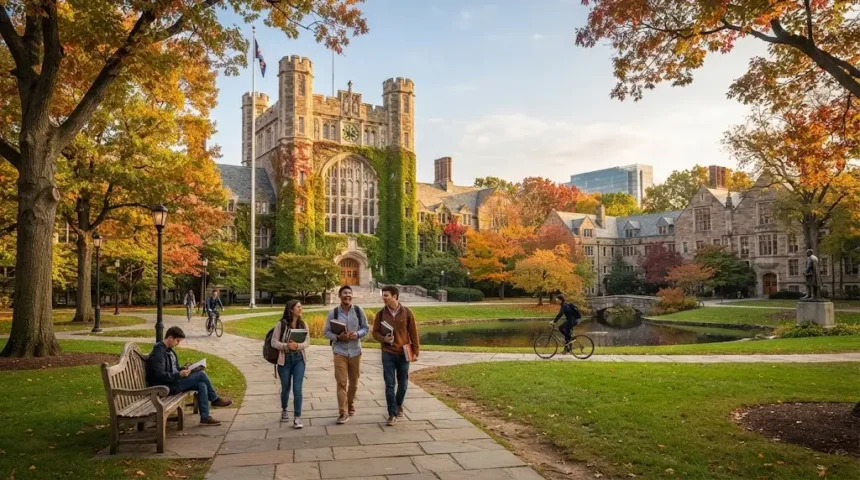
A beautiful college campus can shape the entire student experience. Architecture, landscaping, walkable paths, historic buildings, lakes, gardens, and open green spaces all contribute to how a university feels every day. The prettiest college campuses often combine strong design with natural scenery, creating places that feel inspiring, welcoming, and memorable for students, visitors, and alumni.
Campus beauty is not limited to one architectural style or region. Some universities are known for Gothic towers and ivy-covered stone walls, while others stand out because of mountain views, coastal landscapes, modern buildings, or colorful gardens. Exploring different campuses can offer fresh inspiration for students choosing a school and for anyone interested in architecture, landscape design, and outdoor spaces.
What Makes a College Campus Beautiful?
A beautiful college campus usually has a strong sense of identity. Buildings, pathways, gardens, and gathering spaces often feel connected rather than randomly placed. Historic architecture can create character, while modern structures can add contrast and energy when they are thoughtfully integrated into the surrounding landscape.
Natural elements also have a major impact on campus appeal. Mature trees, lawns, flower gardens, lakes, courtyards, and mountain or ocean views can make everyday walks feel more enjoyable. Even smaller colleges can feel impressive when landscaping is carefully maintained and outdoor areas are designed for students to use rather than simply admire.
Walkability matters just as much as visual design. Attractive campuses often encourage people to move comfortably between classrooms, libraries, residence halls, and social spaces. Shaded paths, benches, gathering areas, and memorable landmarks help create an environment that feels pleasant, practical, and easy to navigate.
Princeton University, New Jersey
Princeton University is often associated with classic collegiate architecture, tree-lined walkways, and a strong historic atmosphere. Stone buildings, Gothic details, arches, towers, and landscaped courtyards give much of the campus a timeless appearance. The combination of old structures and carefully planned open spaces creates a distinctive environment.
Nassau Hall and the surrounding academic buildings help establish the traditional character of the university. As students move through campus, they encounter courtyards, lawns, mature trees, and pathways that visually connect different areas. The landscape changes noticeably through the seasons, adding another layer of visual interest throughout the academic year.
Princeton also demonstrates how a campus can combine historic architecture with contemporary additions. Newer buildings introduce different materials and design styles without completely removing the traditional identity of the university. This balance between preservation and change gives visitors plenty of architectural variety while maintaining a consistent campus atmosphere.
University of Notre Dame, Indiana
The University of Notre Dame is known for its memorable landmarks, broad lawns, traditional buildings, and strong visual identity. The Golden Dome is one of the most recognizable features on campus and serves as a central point in many views. Nearby architecture creates a formal, historic setting that feels carefully planned.
The campus also benefits from generous green spaces and tree-lined paths. These open areas soften the scale of large academic buildings and provide students with places to walk, relax, and gather. Landscaping helps connect the university’s religious, academic, and residential architecture into a more unified visual experience.
Seasonal changes can make the campus look dramatically different throughout the year. Spring and summer bring green lawns and full trees, while autumn introduces warm foliage around stone and brick buildings. Winter creates a quieter look that emphasizes the architecture and major landmarks in a completely different way.
Stanford University, California
Stanford University offers a very different style from traditional East Coast campuses. Its sandstone-colored buildings, red tile roofs, palm trees, courtyards, and wide pathways reflect the California setting. The overall design feels open and spacious, with architecture that works closely with the warm climate and surrounding landscape.
The Main Quad is one of the most visually distinctive areas on campus. Arched walkways and repeating architectural details create a strong sense of rhythm and symmetry. These covered passages also provide practical shade while giving students and visitors clear routes through major academic areas.
Stanford’s beauty extends beyond buildings because the campus includes gardens, open spaces, and views toward nearby hills. The large scale allows different sections to have their own character. Cyclists, walkers, students, and visitors move through a landscape that feels more like a carefully planned community than a tightly packed urban campus.
University of Virginia, Virginia
The University of Virginia is widely recognized for its historic Lawn and the Rotunda. The symmetrical layout creates a formal, elegant appearance that has influenced ideas about American campus design for generations. Red brick, white columns, green lawns, and carefully spaced buildings work together to create a recognizable visual identity.
The Lawn functions as both an architectural centerpiece and a living part of the university. Students walk through it daily, gather outside, and interact with a space that feels historic without being separated from campus life. This combination of beauty and everyday use is one reason the area feels especially memorable.
Smaller gardens and pathways around the historic core add more intimate spaces. These areas provide contrast with the openness of the Lawn and make the campus feel layered rather than repetitive. Visitors can move from formal architectural views into quieter green areas within a relatively short walk.
Duke University, North Carolina
Duke University is known for dramatic Gothic-inspired architecture surrounded by extensive greenery. Duke Chapel dominates many campus views with its tall tower and detailed stone exterior. Nearby buildings use similar materials and architectural elements, giving the central area a strong and consistent identity.
The university’s wooded setting makes the architecture feel even more striking. Trees, lawns, and natural areas soften the stone buildings and create attractive transitions between academic spaces. Walking across campus can feel surprisingly peaceful despite the scale of the university and the number of students moving between buildings.
Duke Gardens adds another major visual element to the university environment. Carefully designed plantings, water features, pathways, and seasonal displays offer a different kind of beauty from the formal academic core. Together, architecture and landscape make the campus appealing to students who enjoy both historic design and natural surroundings.
University of Colorado Boulder, Colorado
The University of Colorado Boulder stands out because of its relationship with the surrounding mountains. The Flatirons create a dramatic natural backdrop that shapes many views across campus. Instead of relying only on architecture, the university benefits from scenery that changes with the weather, light, and seasons.
Campus buildings often feature warm stone and red tile roofs that complement the natural environment. This creates a consistent look while allowing the mountain landscape to remain visually dominant. Open lawns and broad pathways provide clear views, making the campus feel connected to the larger Colorado setting.
Students who enjoy outdoor environments may find this type of campus particularly appealing. Hiking, mountain scenery, and an active outdoor culture influence the overall atmosphere. The campus demonstrates how a university can use regional materials and landscape views to create a strong sense of place.
University of Washington, Seattle
The University of Washington is especially famous for its spring cherry blossoms. When the trees bloom around the Quad, the area becomes one of the most photographed parts of campus. Soft pink blossoms contrast with academic buildings and walkways, creating a seasonal transformation that attracts students and visitors.
Beyond the cherry trees, the campus includes impressive architecture and views of the surrounding Pacific Northwest landscape. Gothic-inspired buildings add character, while large trees and green spaces reflect Seattle’s lush environment. On clear days, distant mountain views can add even more drama to certain parts of the campus.
The university’s visual appeal changes significantly through the year. Rainy weather can create a moody atmosphere around older buildings, while summer brings brighter gardens and outdoor activity. This variation gives the campus different personalities depending on the season, making it visually interesting throughout the academic calendar.
Pepperdine University, California
Pepperdine University offers a coastal setting that immediately separates it from many traditional college campuses. Located near Malibu, the university has views of the Pacific Ocean, rolling hills, and bright California skies. The landscape creates a relaxed, open feeling that plays a major role in the campus experience.
Buildings are arranged across hills rather than concentrated around a single historic quadrangle. This creates changing views as students move through different parts of campus. Palm trees, landscaped lawns, Mediterranean-inspired details, and ocean scenery combine to create a visual style closely connected to Southern California.
The natural surroundings can be just as memorable as the academic architecture. Sunsets, coastal light, and elevated viewpoints give students opportunities to experience the landscape throughout the day. For people who value ocean views and outdoor scenery, this kind of setting can strongly influence how attractive a campus feels.
Berry College, Georgia
Berry College is known for its large campus, natural landscapes, and distinctive historic architecture. Stone buildings, wooded areas, open fields, and long roads create a spacious environment that feels different from compact urban universities. The setting can resemble a countryside estate more than a conventional college campus.
Some of the most recognizable buildings feature Gothic-inspired details that create a storybook appearance. When combined with surrounding forests and lawns, these structures feel especially dramatic. The large amount of undeveloped space also gives the campus a strong connection with nature.
Students and visitors can experience open landscapes, trees, wildlife, and historic buildings within the same environment. This variety makes the campus attractive from several perspectives rather than relying on one central landmark. Berry shows how natural scale and architectural character can work together to create a memorable university setting.
University of San Diego, California
The University of San Diego has a distinctive architectural identity inspired by Spanish Renaissance and Mediterranean styles. White and cream-colored buildings, decorative details, red tile roofs, courtyards, and palm trees create a polished visual atmosphere. The architecture feels well suited to Southern California’s climate and bright natural light.
Elevated areas of campus provide expansive views over the surrounding city and landscape. Outdoor terraces, gardens, and open walkways take advantage of the mild weather. These spaces help blur the boundary between indoor academic life and the outdoor environment, making campus movement more enjoyable throughout much of the year.
The consistent architectural palette gives the university a particularly cohesive appearance. Even when buildings serve different purposes, repeated materials and design details connect them visually. This approach demonstrates how a strong design theme can make an entire campus feel intentional and recognizable.
Yale University, Connecticut
Yale University is famous for Gothic-inspired colleges, stone courtyards, towers, libraries, and historic academic buildings. The campus feels integrated into the surrounding city, so students move between dramatic architectural spaces and active urban streets. This mixture creates a visual experience that is different from isolated suburban campuses.
Residential colleges contribute heavily to Yale’s appearance. Many include enclosed courtyards, detailed entrances, stone walls, and landscaped gathering areas that create smaller communities within the larger university. These spaces can feel intimate even though the university itself has a substantial presence in New Haven.
Yale also includes modern architecture, which creates interesting contrasts with older buildings. Rather than maintaining one style everywhere, the university shows different design periods across its campus. Students interested in architecture can experience Gothic, modernist, and contemporary influences within the same academic environment.
How Landscaping Makes College Campuses More Attractive
Landscaping can completely change how a college campus feels. Large trees create shade and structure, while flowers, lawns, hedges, and gardens add texture and seasonal interest. Well-planned planting also softens large buildings and helps outdoor spaces feel more comfortable and welcoming.
Color plays an important role in campus landscape design. Green lawns and trees can be paired visually with flowers, building materials, furniture, and decorative elements that create contrast or harmony. Understanding colors that go with green can offer useful inspiration when thinking about gardens, outdoor seating, and landscape features.
Good landscaping also supports practical campus life. Shaded seating areas encourage students to study outside, while clear pathways improve movement between buildings. Trees can provide relief from summer heat, and well-designed gardens can turn unused areas into attractive spaces where students naturally gather.
Smart Campus Design Ideas Worth Noticing
One useful campus design idea is creating a clear visual center. A memorable lawn, library, fountain, tower, or courtyard can help people understand the layout and feel connected to the university. Strong landmarks also make navigation easier, especially for new students who are still learning their surroundings.
Another smart approach is mixing social spaces with natural areas. Students need places to meet, study, eat, and relax outside the classroom. Campuses that provide benches, shaded tables, small plazas, lawns, and quiet gardens offer different settings for different moods and activities.
Good campus planning also respects walking distances. Beautiful architecture loses some appeal when students must cross unsafe roads or navigate poorly designed routes every day. Attractive pathways, pedestrian-friendly layouts, bike access, lighting, and comfortable transitions between buildings can make campus beauty practical rather than purely decorative.
How to Choose a Beautiful Campus That Fits You
Campus beauty can influence your first impression, but it should not be the only factor when choosing a college. Academic programs, affordability, student support, housing, location, and career opportunities are usually more important. A beautiful environment adds value when it also supports the type of college experience you want.
Think about what kind of setting makes you comfortable. Some students prefer traditional stone buildings and historic courtyards, while others enjoy modern architecture, coastal views, mountain scenery, or urban energy. Your preferred climate also matters because the same campus can feel very different during winter, summer, or long periods of rain.
Whenever possible, visit campuses in person rather than relying entirely on photographs. Walk the routes between residence halls, classrooms, libraries, and dining areas. Seeing how students actually use outdoor spaces can help you understand whether the campus is simply photogenic or genuinely enjoyable for everyday life.
Conclusion
The prettiest college campuses combine architecture, nature, landscaping, and thoughtful planning in ways that make everyday university life more enjoyable. Princeton, Stanford, Notre Dame, Duke, Virginia, Washington, and other universities each offer different visual experiences. Some stand out through historic buildings, while others benefit from mountains, coastlines, gardens, or regional design traditions.
Beauty is also highly personal. One student may prefer ivy-covered Gothic buildings, while another feels more inspired by palm trees, ocean views, or modern architecture. Rather than searching for one universally prettiest campus, it is more useful to notice which environments make you feel comfortable, motivated, and excited to spend time there.
When comparing colleges, treat campus appearance as one part of a larger decision. Explore academic quality, costs, programs, student life, location, housing, and career support alongside the physical environment. The best campus for you is one that looks inviting while also supporting your educational goals and everyday needs.
FAQs
What makes a college campus beautiful?
Beautiful campuses usually combine appealing architecture, mature landscaping, open spaces, walkable paths, and memorable landmarks. Natural surroundings such as mountains, lakes, gardens, or ocean views can make the setting even more distinctive.
Which colleges are known for beautiful campuses?
Universities such as Princeton, Stanford, Notre Dame, Duke, Virginia, Washington, and Pepperdine are often admired for their architecture or surroundings. Each offers a different combination of historic design and natural scenery.
Does campus beauty matter when choosing a college?
Campus appearance can affect comfort and everyday enjoyment, but it should be considered alongside academics, affordability, student support, career opportunities, housing, and location. A beautiful campus alone does not determine educational quality.
Are historic college campuses prettier than modern campuses?
Not necessarily. Historic campuses may offer Gothic architecture, stone courtyards, and mature trees, while modern campuses can provide striking contemporary buildings, open layouts, and creative landscaping. Personal design preferences play a major role.
How can I compare college campuses before applying?
Explore official campus tours, photos, maps, and student resources, then visit in person when possible. Walking between academic buildings, residence halls, and common areas can give you a clearer sense of everyday campus life.