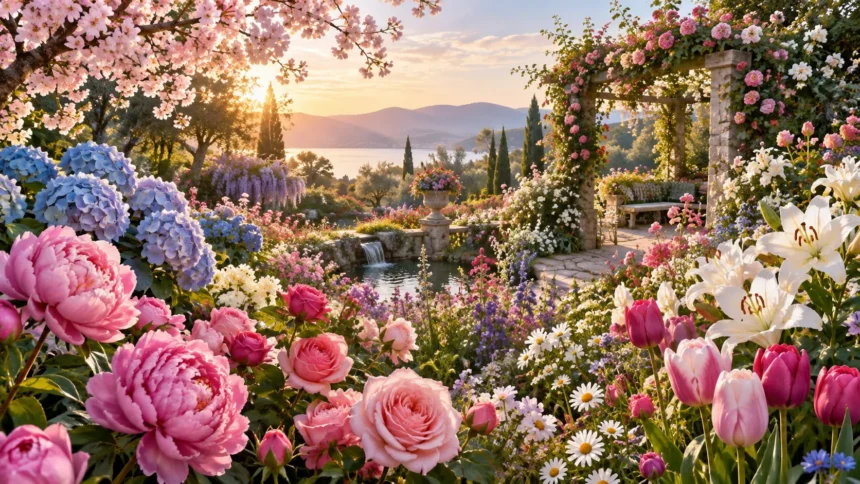
Flowers can completely change the mood of a garden, balcony, bouquet, or indoor space. Some varieties stand out because of their unusual shapes, layered petals, vivid colors, or delicate fragrance. While beauty is subjective, certain flowers are consistently admired for their elegant appearance and ability to create an unforgettable display.
The prettiest flowers are not always the hardest to grow or the most expensive to buy. Many beautiful varieties can thrive in ordinary gardens when their light, soil, and watering needs are understood. From classic roses and peonies to exotic orchids and dramatic dahlias, there are stunning flowers for nearly every climate, style, and level of gardening experience.
Roses Remain a Timeless Favorite
Roses are among the most recognizable beautiful flowers because of their layered petals, elegant shapes, and enormous range of colors. Gardeners can choose from soft blush pink, classic red, creamy white, yellow, peach, lavender, and even multicolored varieties. Their appearance works equally well in formal gardens, cottage landscapes, bouquets, and romantic floral arrangements.
Different rose types offer different looks and growing habits. Hybrid tea roses are known for large individual blooms, while floribundas produce clusters of flowers that create more continuous color. Climbing roses can cover walls, fences, and arches, making them especially valuable when you want flowers to become a major architectural feature in the garden.
Most roses prefer good sunlight, well-draining soil, and regular care throughout the growing season. Choosing a variety suited to your local climate can make maintenance much easier. With appropriate pruning, feeding, and disease management, healthy roses can continue producing impressive blooms year after year and remain one of the prettiest flowers available.
Peonies Bring Soft, Romantic Beauty
Peonies are loved for their large, full blooms that can look almost too perfect to be real. Their petals form soft layers in shades such as white, pale pink, coral, deep red, and cream. When planted in groups, peonies create a luxurious garden display that feels romantic without requiring complicated color combinations.
These perennial plants are also valued because established peonies can return for many years when planted in suitable conditions. They generally prefer good sunlight and soil that drains well rather than remaining constantly wet. Patience is useful with young plants because they may take time to become established before producing their most impressive displays.
Peony flowers are excellent for cutting and can create beautiful indoor arrangements with only a few stems. Their large blossoms provide enough visual impact that elaborate styling is rarely necessary. Because the flowering period can be relatively short, gardeners often combine peonies with other plants that bloom earlier or later to maintain garden color.
Orchids Offer Elegant and Exotic Blooms
Orchids have a distinctive beauty that makes them instantly recognizable. Their flowers can feature graceful curves, unusual markings, and delicate color combinations that range from pure white to intense purple, yellow, pink, and patterned varieties. Many orchids look highly exotic even when they are grown as ordinary indoor plants.
Phalaenopsis orchids are particularly popular because their long-lasting flowers and manageable care requirements make them accessible to beginners. They typically prefer bright, indirect light and a growing medium designed to provide excellent drainage and airflow around the roots. Overwatering is a more common problem than allowing the plant to dry slightly between waterings.
One reason orchids remain so appealing is that a single flowering stem can stay attractive for weeks. Their clean shape also works well with contemporary interiors where large, busy arrangements might feel excessive. With suitable conditions, many orchids can bloom repeatedly, providing an elegant display without needing to be replaced after one flowering cycle.
Dahlias Create Bold Garden Drama
Dahlias are among the most dramatic flowers for gardeners who enjoy strong colors and highly structured blooms. Different varieties produce flowers ranging from small rounded shapes to enormous dinner-plate blossoms. Their colors include orange, red, pink, purple, yellow, white, and combinations that make individual flowers look almost hand-painted.
The diversity of dahlia forms makes them useful in many garden styles. Pompon dahlias have compact spherical blooms, while decorative and cactus types produce larger or more pointed petals. Planting several shapes together can create a visually interesting flower bed without needing a huge variety of unrelated plant species.
Dahlias generally perform best with plenty of sun, fertile soil, and regular moisture without waterlogging. Taller varieties may benefit from support because heavy flowers can place pressure on their stems. Removing faded blooms can encourage continued flowering, allowing healthy plants to provide impressive color through a large portion of the growing season.
Tulips Bring Clean Color to Spring Gardens
Tulips are admired for their simple, recognizable shape and ability to create large blocks of color. They appear in almost every shade imaginable, including white, yellow, pink, red, purple, orange, and near-black tones. A carefully planned tulip planting can make an ordinary garden look bright and polished as soon as spring arrives.
There are many tulip groups beyond the familiar single-flowered varieties. Double tulips produce fuller blooms, parrot tulips have unusually shaped petals, and fringed varieties feature delicate textured edges. Mixing different flowering times can extend the display rather than having every tulip open and fade during the same short period.
Tulip bulbs are generally planted before winter so they can experience the cool conditions needed for spring flowering. They prefer well-draining soil because bulbs can rot when left in consistently wet ground. In some climates, certain varieties return reliably, while others are often treated as seasonal flowers and replanted for stronger displays.
Hydrangeas Fill Gardens With Large Blooms
Hydrangeas create impressive visual impact through large flower clusters rather than individual dramatic petals. Their rounded or cone-shaped blooms can cover mature plants and create substantial areas of color. Popular shades include blue, pink, white, purple, and green, making hydrangeas especially attractive for soft, romantic garden designs.
Different hydrangea species have different light and pruning requirements, so choosing the right type is important. Some prefer morning sun with afternoon shade, while others tolerate stronger sunlight when adequate moisture is available. Understanding whether a variety flowers on old or new growth also helps prevent accidental removal of future blooms during pruning.
Hydrangeas work beautifully along borders, beside entrances, or as large foundation plants. Their flower heads can also be cut for indoor arrangements and may dry attractively for longer-lasting displays. Because mature plants can become quite large, giving them enough room from the beginning helps maintain their natural shape and reduces unnecessary pruning later.
Cherry Blossoms Create Spectacular Seasonal Displays
Cherry blossoms are famous for transforming trees into clouds of pink or white flowers for a short period each year. Their beauty comes partly from the temporary nature of the display, which makes flowering season feel special. When several trees bloom together, the effect can be far more dramatic than almost any individual garden flower.
Ornamental cherry trees are grown mainly for their blossoms rather than fruit. Different cultivars produce variations in flower color, petal number, tree shape, and flowering time. Some have pale single flowers, while others produce deeper pink or double blossoms that create a fuller and more decorative appearance.
These trees need enough space to develop naturally and should be selected according to local climate and available garden size. Their flowering period may be brief, but the seasonal impact can be extraordinary. They work particularly well as specimen trees where their shape and spring blossoms can be appreciated from multiple viewpoints.
Lilies Add Fragrance and Elegant Shape
Lilies combine strong visual structure with impressive fragrance in many varieties. Their trumpet, star, or bowl-shaped flowers rise above the foliage and can become dramatic focal points in garden beds. Colors range from white and pale pink to orange, red, yellow, and patterned combinations with contrasting spots or centers.
Asiatic lilies are often chosen for bright colors and reliable flowering, while Oriental lilies are particularly valued for larger flowers and strong fragrance. Trumpet and hybrid varieties offer additional shapes and sizes. Mixing compatible lilies can produce a longer flowering period and create different levels of height throughout a planting scheme.
Lilies generally grow from bulbs and appreciate well-drained soil with enough sunlight for healthy flowering. Taller plants may require support in windy areas, especially when they carry several large blooms. Gardeners with pets should also research plant safety carefully because true lilies can be highly dangerous to cats if ingested.
Sunflowers Add Cheerful Color and Height
Sunflowers are often associated with bright yellow petals surrounding a dark central disk, but modern varieties offer much more diversity. You can find flowers in golden yellow, pale cream, orange, burgundy, and combinations of several warm shades. Their strong vertical growth makes them ideal for adding height behind shorter garden plants.
Some sunflower varieties grow several feet tall, while dwarf types are suitable for containers and smaller gardens. Branching varieties can produce numerous flowers on one plant, providing a longer display than single-stem types. This range makes sunflowers surprisingly versatile despite their reputation as large, informal garden flowers.
Sunflowers generally prefer plenty of direct sunlight and reasonably fertile soil. Their seeds are usually easy to sow, which makes them rewarding for beginners and families gardening with children. The blooms can also attract pollinators, while seed heads left later in the season may provide an additional food source for visiting birds.
Ranunculus Produces Delicate Layered Flowers
Ranunculus flowers are known for densely layered petals arranged in neat circular formations. Their appearance is somewhere between a rose and a peony, but the blooms have their own distinctive character. Shades include blush, white, peach, yellow, orange, red, and deep pink, making them highly popular for bouquets and decorative gardens.
The long stems and compact flower shape make ranunculus especially attractive for cutting. A relatively small arrangement can look luxurious because each flower contains so many petals. Florists frequently combine them with roses, greenery, or simpler flowers, but ranunculus can also create a sophisticated arrangement when displayed on their own.
Growing conditions depend strongly on climate because ranunculus prefers cooler conditions during its main growth period. Good drainage is particularly important for the underground structures from which the plants grow. Gardeners who provide suitable temperatures, light, and moisture can enjoy flowers that look far more expensive and delicate than their relatively straightforward cultivation might suggest.
Use Beautiful Flowers as Indoor Décor
Fresh flowers can bring color and life indoors without requiring permanent changes to the room. A small vase of tulips, roses, or seasonal blooms can brighten a dining table, kitchen counter, or entryway. Choosing flowers that coordinate with existing colors creates a polished effect without needing an elaborate arrangement.
In compact homes, keep arrangements proportional to the furniture around them. A huge bouquet may overwhelm a small dining table and interfere with conversation, while a low arrangement can add personality without taking up valuable space. If you are decorating a compact eating area, practical small dining room ideas can help balance floral décor with furniture and storage.
You can also choose flowers according to the mood you want to create. White and pale pink blooms feel soft and calming, while yellow and orange flowers add warmth and energy. Green foliage can make inexpensive flowers appear fuller, allowing you to create an attractive display without buying a large number of premium stems.
How to Choose the Prettiest Flowers for Your Garden
Start with your growing conditions rather than choosing flowers based only on photographs. Sun exposure, temperature, soil drainage, rainfall, and available space determine which plants are likely to perform well. A flower that thrives naturally in your garden will usually look more impressive than a demanding variety constantly struggling against unsuitable conditions.
Think about flowering seasons as well. Combining spring bulbs, summer perennials, and later-flowering plants can create color across a much longer period. If every beautiful flower in your garden blooms during the same few weeks, the rest of the year may feel comparatively empty and visually unbalanced.
Finally, choose a color palette that suits your personal style. You might prefer soft whites and pastels, dramatic reds and purples, or a cheerful mixture of many colors. There is no single correct combination, and the prettiest garden is often one that reflects the preferences of the person who actually spends time enjoying it.
Conclusion
The prettiest flowers include both familiar favorites and unusual varieties, each offering a different kind of beauty. Roses provide classic elegance, peonies create romantic fullness, orchids add exotic detail, and dahlias bring dramatic color and form. Tulips, lilies, hydrangeas, sunflowers, ranunculus, and flowering trees provide even more possibilities for gardens and indoor arrangements.
Choosing beautiful flowers should involve more than selecting the most impressive photograph. Consider your climate, available sunlight, soil, maintenance preferences, garden size, and desired flowering season. Plants that suit their environment are easier to maintain and more likely to reward you with healthy foliage and abundant blooms.
Beauty is ultimately personal, so the best flower collection does not need to follow anyone else’s ranking. Combine colors, shapes, heights, and flowering times that make your space enjoyable to you. With thoughtful choices, even a small garden, balcony, or dining table can become more inviting through the simple addition of beautiful flowers.
FAQs
What are considered the prettiest flowers?
Roses, peonies, orchids, dahlias, tulips, hydrangeas, lilies, and ranunculus are frequently admired for their color and shape. The prettiest choice ultimately depends on personal taste and growing conditions.
Which beautiful flowers are easiest for beginners?
Sunflowers, many tulips, certain roses, and some lilies can be beginner-friendly when grown in suitable climates. Choosing flowers matched to your sunlight, soil, and local weather makes successful growing much easier.
What flowers look best in bouquets?
Roses, peonies, ranunculus, lilies, tulips, and hydrangeas all work beautifully in arrangements. Mixing large focal blooms with simpler flowers and greenery can create a balanced and visually interesting bouquet.
Which flowers have the most attractive colors?
Dahlias, tulips, roses, orchids, and ranunculus offer particularly wide color ranges. You can find varieties in soft pastels, bold reds, vivid yellows, deep purples, and many multicolored combinations.
How can I keep fresh flowers beautiful longer?
Use a clean vase, fresh water, and properly trimmed stems, and remove leaves sitting below the waterline. Keep arrangements away from excessive heat and replace the water regularly as needed.