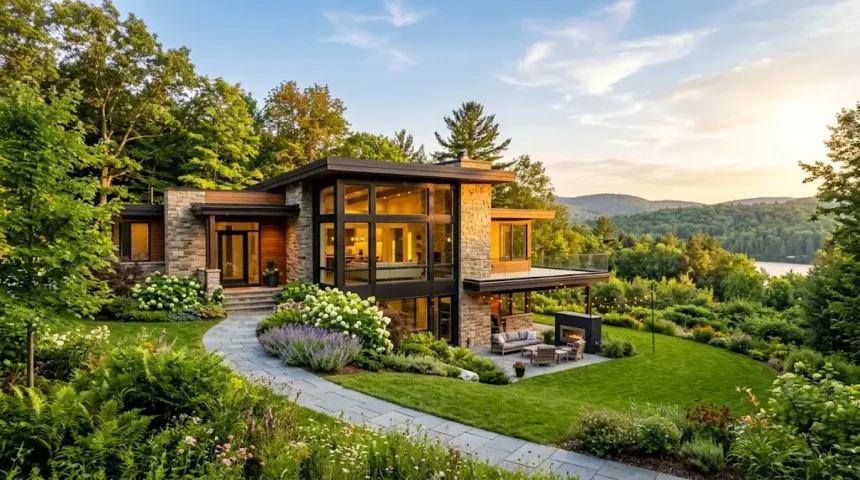
What Makes a House Beautiful?
A beautiful house is more than an expensive property or a perfectly styled interior. The most attractive homes usually combine thoughtful architecture, comfortable spaces, natural light, balanced proportions, and details that reflect the people living there. Beauty can come from a modern minimalist design, a traditional cottage, a Mediterranean villa, or a simple family home arranged with care.
Exterior appearance creates the first impression, but interior comfort determines how enjoyable a house feels every day. Well-planned rooms, appropriate furniture, practical storage, and consistent colors can make even a modest property feel sophisticated. A home becomes visually appealing when every element works together instead of competing for attention or filling rooms with unnecessary decoration.
Personal character matters as much as design trends. Artwork, books, plants, family photographs, handmade pieces, and meaningful furniture can transform a stylish but impersonal space into a welcoming home. The most beautiful houses often feel organized and intentional while still showing enough personality to make visitors understand something about the people who live there.
Popular Architectural Styles for Beautiful Houses
Architectural style has a major influence on a home’s appearance and atmosphere. Modern houses often feature clean lines, large windows, open layouts, and simple materials, while traditional homes may include pitched roofs, detailed trim, symmetrical facades, and defined rooms. Choosing a style that suits the property, climate, and surrounding neighborhood generally creates a more natural and balanced result.
Farmhouse, Craftsman, Mediterranean, Colonial, contemporary, and mid-century modern homes each offer distinctive characteristics. Craftsman houses emphasize natural materials and handcrafted details, while Mediterranean properties often feature stucco walls, tiled roofs, arches, and outdoor living areas. Contemporary architecture tends to combine current materials and technology with flexible spaces rather than following one strict historical style.
You do not need to follow a single architectural category perfectly. Many attractive homes blend traditional and modern details to create a more personal appearance. The key is maintaining visual consistency through materials, proportions, window styles, roofing, and colors so the house feels intentionally designed rather than assembled from several unrelated ideas.
How Exterior Design Improves Curb Appeal
Curb appeal describes how attractive a house looks when viewed from the street. A clean entrance, maintained landscaping, balanced exterior colors, attractive lighting, and clearly defined pathways can dramatically improve the overall impression. Small improvements often make a surprisingly large difference because visitors notice the condition and organization of the entire property before examining individual architectural details.
The front door can become an effective focal point without requiring a major renovation. A well-chosen paint color, updated hardware, simple lighting, and healthy plants near the entrance can make the facade feel more welcoming. Window boxes, shutters, porch furniture, or house numbers can add character when they complement the architectural style instead of overwhelming it.
Maintenance is equally important. Peeling paint, damaged gutters, overgrown shrubs, stained walkways, and broken fixtures can make an otherwise attractive house appear neglected. Regular cleaning, trimming, repainting, and minor repairs protect the property while preserving the carefully designed features that make the exterior feel polished and visually appealing.
Interior Design Features That Make Homes Attractive
Beautiful interiors usually begin with a clear visual direction rather than a collection of unrelated furniture and decorations. Color palettes, flooring, lighting, furniture proportions, and materials should complement one another throughout connected spaces. This does not mean every room must look identical, but repeating certain colors, textures, or finishes creates continuity and makes the entire house feel more thoughtfully designed.
Natural materials can add warmth and depth to interior spaces. Wood, stone, linen, cotton, ceramic, and woven textures can soften modern rooms and make traditional spaces feel more inviting. Combining several textures within a restrained color palette often produces greater visual interest than adding large amounts of decorative objects to every available surface.
Furniture placement also affects beauty because attractive rooms need comfortable movement and balanced proportions. Oversized furniture can make small spaces feel crowded, while tiny pieces may look disconnected inside large rooms. Arrange furniture around how the space is actually used, leaving clear walking paths and enough visual breathing room for architectural features and decorative pieces to stand out.
Why Natural Light Makes Houses Look Better
Natural light can dramatically change how a home feels throughout the day. Bright rooms generally appear larger, cleaner, and more inviting because sunlight highlights colors, textures, and architectural details. Large windows, glass doors, skylights, and open sightlines can bring daylight deeper into a house while strengthening the connection between indoor and outdoor spaces.
You can improve natural light without changing the entire structure. Light-colored walls, mirrors, reflective surfaces, and minimal window coverings can help distribute sunlight more effectively through a room. Keeping tall furniture away from windows and choosing curtains that can open fully also prevents unnecessary obstacles from blocking valuable daylight.
Privacy still needs consideration, especially in bedrooms, bathrooms, and homes close to neighboring properties. Sheer curtains, blinds, frosted glass, and carefully positioned landscaping can maintain privacy while allowing light inside. A successful lighting strategy balances brightness with comfort rather than simply maximizing glass everywhere without considering heat, glare, or the activities taking place inside.
Beautiful Kitchen Design Ideas
The kitchen is often one of the most important spaces in a beautiful house because it combines practical work with social activity. An attractive kitchen should provide logical storage, sufficient preparation space, appropriate lighting, and materials that can handle everyday use. Stylish finishes matter, but functionality determines whether the room continues feeling enjoyable after the initial renovation excitement disappears.
Cabinetry has a major visual impact because it covers a large percentage of the kitchen. Neutral colors can create a timeless foundation, while wood finishes add natural warmth and texture. Handles, countertops, backsplashes, lighting fixtures, and appliances can introduce contrast, allowing the room to feel interesting without relying on excessive decorative details.
Keeping countertops reasonably clear can make even a smaller kitchen feel more luxurious. Use drawers, cabinets, shelves, and internal organizers to store appliances and everyday supplies whenever practical. Good storage reduces visual clutter and makes surfaces easier to clean, creating the calm and organized appearance often associated with professionally designed kitchens.
Creating Beautiful Bedrooms and Living Spaces
A beautiful bedroom should feel restful rather than overloaded with decoration. Comfortable bedding, soft lighting, coordinated colors, and practical furniture can create a calm atmosphere without requiring expensive materials. Begin with the bed as the main focal point, then add bedside tables, lamps, curtains, rugs, and artwork that support the overall mood rather than competing for attention.
Living rooms often need to accommodate conversation, relaxation, entertainment, and visitors at the same time. Arrange seating so people can comfortably interact instead of positioning every chair only toward a television. Rugs, lamps, side tables, cushions, plants, and artwork can then define the space and add personality without restricting comfortable movement through the room.
Clutter management is especially important in rooms used every day. Attractive baskets, cabinets, drawers, and multipurpose furniture can hide items that do not need constant display. Practical organization solutions such as smart shoe storage can also keep bedrooms, closets, and entry areas tidy while making better use of limited space.
Landscaping Ideas for Beautiful Houses
Landscaping helps connect a house with the surrounding property and can dramatically improve its overall appearance. Healthy lawns, trees, shrubs, flowers, pathways, and outdoor seating areas create layers of visual interest around the architecture. The best landscape designs consider the home’s style, local climate, maintenance requirements, sunlight, and how residents actually use the outdoor space.
You do not need an elaborate garden to improve a home’s appearance. A few well-positioned plants near the entrance, trimmed shrubs, clearly edged planting beds, and an attractive walkway can create strong curb appeal. Repeating similar plants or colors throughout the landscape also creates visual consistency instead of making the garden feel random or overly complicated.
Outdoor lighting can make landscaping more attractive after sunset while improving visibility around paths and entrances. Use lighting selectively to highlight steps, trees, architectural details, or gathering areas rather than illuminating every part of the yard equally. Softer layers of light generally create a more welcoming atmosphere than excessively bright fixtures placed throughout the property.
How Color Changes the Look of a Home
Color has a strong psychological and visual effect on how a house feels. Lighter shades can make smaller rooms appear more open, while darker colors can create intimacy and drama in larger spaces. Neutral palettes remain popular because they provide flexibility, but carefully chosen accent colors can add personality without requiring a complete redesign.
Exterior colors should work with fixed features such as roofing, stone, brick, and surrounding landscaping. A color that looks attractive on a small sample may appear very different across an entire facade under changing daylight. Testing paint in several areas before committing can help you understand how the shade behaves during morning, afternoon, and evening conditions.
Inside the home, use color to connect spaces while allowing individual rooms to maintain their own character. Repeating one or two tones in artwork, textiles, or furniture can create continuity across different areas. Instead of following short-lived color trends automatically, choose shades that complement your home’s architecture and make you comfortable living with them every day.
Beautiful Houses Can Still Be Practical
A visually impressive house is not truly successful if everyday life constantly feels inconvenient. Practical homes include enough storage, comfortable circulation, useful furniture, durable materials, and rooms designed around real routines. Beauty should support the people living inside rather than forcing them to protect delicate surfaces or constantly rearrange belongings just to maintain a perfect appearance.
Families may prioritize washable fabrics, durable flooring, flexible furniture, and hidden storage more than fragile decorative finishes. Pet owners might choose scratch-resistant materials, while people working from home need practical office spaces with appropriate lighting and privacy. Considering lifestyle requirements early makes it easier to create a house that remains attractive under normal daily use.
Functional design often improves visual appeal because organized spaces naturally feel calmer. Built-in cabinetry, concealed storage, thoughtful shelving, and appropriately sized furniture reduce clutter without sacrificing personality. The most successful beautiful houses balance appearance with convenience so residents can relax and enjoy their surroundings instead of constantly worrying about maintaining a showroom-like environment.
Affordable Ways to Make Your House More Beautiful
Improving your home does not always require structural renovations or expensive furniture. Cleaning thoroughly, rearranging existing pieces, removing unnecessary clutter, and improving lighting can change how a room feels without a large budget. Small upgrades are often more effective when they address visible problems rather than simply adding new decorative items.
Painting is one of the most affordable ways to transform an interior. A fresh neutral wall color can brighten a tired room, while refinishing an old cabinet or changing hardware can update furniture inexpensively. Replacing outdated light fixtures, curtains, cushions, or rugs can also refresh the atmosphere without requiring major construction or permanent architectural changes.
Plants and artwork provide another affordable source of personality. A healthy plant can bring color and texture into an empty corner, while personal photographs or inexpensive prints can make blank walls feel intentional. Spend first on improvements that affect comfort, organization, and maintenance, then gradually add decorative details as your budget allows.
Conclusion
Beautiful houses are created through thoughtful combinations of architecture, lighting, color, furniture, organization, landscaping, and personal character. A home does not need to be enormous or expensive to look attractive. Consistency, proportion, maintenance, and carefully chosen details often have a greater impact than expensive materials or constantly changing design trends.
The best approach is to improve one area at a time while considering how each decision affects the rest of the property. Start with clutter, maintenance, natural light, and practical furniture placement before investing heavily in decoration. These foundational improvements can make existing rooms feel significantly more polished without requiring a complete renovation.
Ultimately, a beautiful house should feel comfortable for the people who live there. Design trends can provide inspiration, but personality and practicality make a home memorable. When attractive design supports everyday routines, the result is a space that looks welcoming while remaining functional, relaxing, and enjoyable for years.
FAQs
What makes a house look beautiful?
A beautiful house usually combines balanced architecture, good lighting, coordinated colors, thoughtful furniture, organization, and maintenance. Personal touches such as artwork, plants, and meaningful objects can make the space feel more distinctive.
How can I make my house beautiful on a budget?
Start by decluttering, cleaning, rearranging furniture, and improving lighting. Affordable upgrades such as paint, plants, new hardware, cushions, curtains, and artwork can noticeably refresh a home without requiring major renovation.
What colors make a house look more expensive?
Warm neutrals, soft whites, muted greens, grays, and carefully chosen darker accents can create a sophisticated appearance. The best colors depend on the home’s natural light, architectural features, flooring, and existing materials.
Does landscaping make a house more attractive?
Yes. Healthy plants, maintained lawns, clear pathways, trimmed shrubs, and outdoor lighting can significantly improve curb appeal. Landscaping also helps connect the architecture with the surrounding property and creates a more welcoming entrance.
Can a small house still look beautiful?
Absolutely. Small houses can look exceptionally attractive when furniture is properly scaled, natural light is maximized, storage is organized, and colors are coordinated. Thoughtful simplicity often makes compact spaces feel more elegant and comfortable.