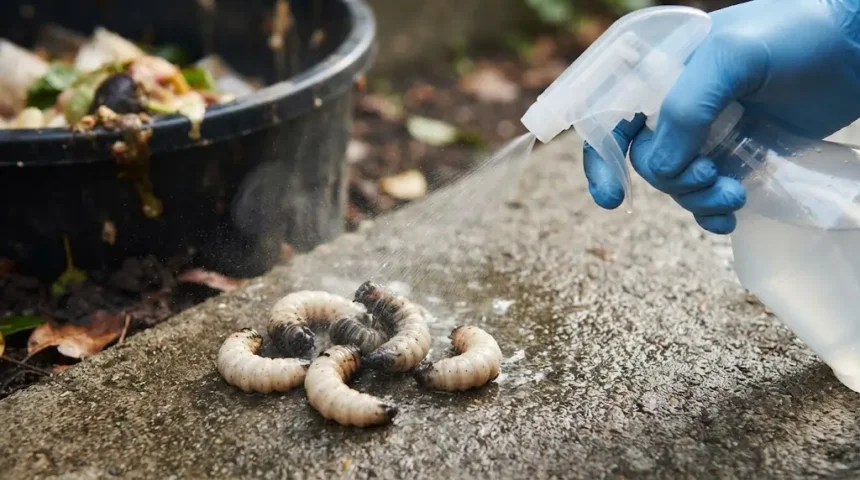
What Kills Maggots Instantly? Fast Solutions That Work
Discovering maggots in a trash can, kitchen, garage, pet area, or outdoor bin can be unpleasant and stressful. Maggots are fly larvae, and they usually appear where adult flies have found decaying food, garbage, animal waste, or another moist organic material suitable for laying eggs. The fastest way to solve the problem is to kill the visible larvae and remove whatever attracted the flies in the first place. Very hot water, hot soapy water, and appropriately labeled insect-control products are among the fastest practical options in suitable locations. Other popular home remedies, including salt and vinegar, may help in certain situations but are not always truly instant. Choosing the right method depends on where the infestation is located and which surfaces, people, pets, or plants could be exposed.
A successful maggot treatment involves more than pouring something onto the larvae and walking away. Even after the visible maggots die, eggs, food residue, or hidden organic material can allow another generation of flies to appear. Trash cans need cleaning, spoiled food needs disposal, and spills or animal waste should be removed completely. Indoor infestations may also require checking underneath appliances, inside cabinet gaps, and around forgotten food sources. Outdoor problems usually improve when garbage is sealed and bins remain clean and dry. This guide explains what kills maggots quickly, which household methods actually help, what to avoid, and how to keep maggots from returning.
What Kills Maggots Instantly?
Very hot or boiling water is one of the fastest simple methods for killing exposed maggots on heat-safe surfaces. The intense heat damages the larvae rapidly, making it useful for metal garbage cans, some outdoor hard surfaces, and containers that will not warp or crack. Carefully pour the water directly over the visible larvae so that they are thoroughly exposed rather than merely splashed. Afterward, remove the dead maggots and clean away the organic residue that attracted the flies. Boiling water can damage plastics, plants, painted surfaces, and some plumbing materials, so it should not be used everywhere. Protect your hands and skin from splashes because serious burns are a greater hazard than the maggots themselves.
Hot soapy water can be another effective option when you need both pest removal and cleaning. Dish soap helps wet and coat the larvae while hot water provides much of the immediate killing effect. This combination is particularly useful inside washable trash cans, buckets, outdoor containers, and other surfaces where food residue needs to be removed afterward. Scrubbing the area after treatment also removes grease and decomposing material where additional fly eggs may be hidden. Rinse the container thoroughly and allow it to dry before adding another trash bag. Do not combine soap solutions with unrelated household chemicals unless the product directions specifically say the combination is safe.
Commercial insecticides labeled for flies or fly larvae can kill maggots rapidly when used according to the product instructions. These products may be useful for larger infestations, outdoor garbage areas, or spaces where physical cleaning alone has not solved the problem. Always check that the label specifically permits use in the location you intend to treat, especially around kitchens, food-storage areas, pets, or children. More insecticide is not necessarily more effective and can increase unnecessary exposure. Ventilate indoor spaces if the label requires it and keep people and animals away for the recommended period. Never spray pesticides onto food, food-contact surfaces, bedding, or animals unless the product is specifically approved for that exact use.
Freezing temperatures can also kill maggots, although this method is practical only for contaminated items that can safely be frozen. Small sealed objects or waste containers may sometimes be placed in a freezer when immediate disposal is not possible, but this approach is rarely necessary in an ordinary household infestation. Cold works more slowly than direct high heat, so it is not usually the first choice when people want an instant solution. It is also inappropriate for large garbage containers or contaminated areas that need thorough cleaning. The main value of freezing is controlled treatment of a small removable item. In most homes, disposal and cleaning will be faster and simpler.
Physical removal may actually be the quickest solution when only a small number of maggots are present. Use disposable paper towels, a scoop, or another tool to collect the larvae, seal them inside a plastic bag, and place the bag in an outdoor garbage container. Clean and disinfect the affected surface afterward so that any eggs or organic residue are removed. Vacuuming can work on certain dry indoor surfaces, but the vacuum bag or collection chamber should be emptied outside immediately. Avoid crushing maggots across porous surfaces because that can make cleanup more difficult. Killing the visible larvae matters, but eliminating the food source is what prevents the infestation from quickly starting again.
Fast Household Methods for Killing Maggots
Salt is one of the most frequently suggested home remedies for maggots because it draws moisture from soft-bodied organisms. A generous amount placed directly onto exposed larvae can eventually dehydrate and kill them, particularly when they are trapped in a dry container. However, salt should not be described as truly instant because results can take time and may vary depending on moisture levels. It can be useful when boiling water is unsafe or unavailable, but physical removal is usually faster for a small infestation. After the larvae have died, sweep or scoop them up and clean the surface thoroughly. Salt can damage plants, soil, metal, stone, and other materials, so avoid spreading large quantities indiscriminately.
Vinegar is another common recommendation, but its ability to kill maggots immediately is often overstated. Concentrated exposure may harm larvae, especially when combined with hot water, but ordinary household vinegar is not as predictably fast as high heat or a properly labeled insecticide. Its stronger household benefit is cleaning odors and residues after the larvae and food source have been removed. Vinegar can help make certain surfaces less attractive to flies by reducing lingering smells from decaying material. It should still be tested on sensitive stone, grout, wood, or metal because acidic solutions can cause damage. Most importantly, never mix vinegar with chlorine bleach because the combination can release dangerous chlorine gas.
Baking soda is useful primarily for cleaning and deodorizing rather than instantly killing a maggot infestation. It can absorb odors from garbage cans and help scrub away residue after the larvae have been physically removed or killed by another method. Some household guides recommend covering maggots with baking soda, but this is generally less reliable than hot water for rapid control. If odor is the main problem, sprinkle baking soda into a cleaned and dry trash can before replacing the liner. Keeping the bin dry is important because flies are attracted to moist decomposing material. Think of baking soda as part of prevention and cleanup rather than your fastest insect-killing tool.
Dish soap can help when it is used in a strong soapy solution that thoroughly wets the larvae. Soap may interfere with the outer surface of small insects, but temperature and complete contact strongly influence how quickly the treatment works. For household use, combining dish soap with very hot water is usually more practical than spraying diluted soap alone. Pour or wash the solution over the larvae, allow it to work briefly, and then scrub away food residue and dead insects. This approach can be particularly convenient for reusable trash cans and washable outdoor surfaces. Rinse well afterward so that sticky soap residue does not remain and collect new dirt.
Bleach is sometimes recommended online for maggot infestations, but it should not be the automatic first choice. Diluted bleach can disinfect compatible surfaces after the organic material has been removed, yet household bleach should be handled carefully and used according to its label. Organic debris can reduce the effectiveness of disinfectants, which is another reason cleaning should come before disinfection. Never mix bleach with vinegar, ammonia, acids, toilet cleaners, or other household chemicals because toxic gases can form. Use ventilation and protect your skin and eyes when the product directions recommend precautions. For killing exposed maggots, hot water and physical cleanup are often simpler and create fewer chemical hazards.
How to Kill Maggots in a Trash Can Fast
Trash cans are one of the most common places for maggot infestations because they provide food, moisture, warmth, and protection for developing fly larvae. Start by moving the bin outdoors if possible and removing every trash bag, loose food item, and piece of organic waste. Seal contaminated garbage securely before placing it in the collection area so adult flies cannot continue reaching it. Once the bin is empty, inspect the bottom, lid, handles, wheel recesses, and seams because maggots often hide away from direct light. Physical removal can eliminate large clusters before washing begins. Wearing disposable gloves makes cleanup easier and reduces contact with decomposing material and household waste.
After emptying the bin, very hot soapy water can quickly kill remaining exposed larvae while loosening grease and food residue. Pour enough water into the container to contact the bottom and lower walls, then scrub all surfaces with a long-handled brush. Pay special attention to corners, grooves, and the underside of the lid where fly eggs may be difficult to see. Drain the dirty water in an appropriate location rather than onto edible plants or areas where pets frequently play. Rinse the container thoroughly when the visible debris has been removed. Allowing the trash can to dry completely before replacing the liner makes the environment less favorable for additional larvae.
If the infestation is severe, a second cleaning may be necessary after the initial hot-water treatment. Commercial cleaners or insecticides should only be used when their labels specifically allow treatment of garbage containers or surrounding areas. Do not create improvised pesticide mixtures using several household chemicals because combinations can produce harmful fumes or unexpected reactions. In many cases, ordinary detergent, hot water, scrubbing, and complete drying are enough once the contaminated garbage is gone. The organic material is the real reason flies selected the bin, so sanitation has greater long-term value than repeatedly spraying insects. Cleaning the lid and exterior can also remove odors that continue attracting adult flies.
Keeping garbage bags tightly closed is one of the simplest ways to stop maggots from returning. Food scraps, meat packaging, pet waste, and other strongly scented materials should be sealed before they are placed inside the main trash bag. During hot weather, particularly smelly food waste can sometimes be frozen until collection day if household space and local waste practices make that practical. Avoid allowing liquids to collect at the bottom of the trash can because damp organic residue creates an ideal environment for fly eggs. Replace torn liners quickly and wash spills when they occur. A clean bin is much less attractive to flies than one coated with old food residue.
The location and condition of the trash can also influence recurring infestations. Keep outdoor bins closed with secure lids and repair damaged lids that leave large gaps for flies. Positioning the container away from frequently opened doors can reduce the number of flies entering the home. If collection occurs weekly, place garbage at the curb only according to local requirements while keeping it securely contained beforehand. Wash the bin periodically rather than waiting until maggots appear again. During the warmest months, checking the underside of the lid and bottom of the bin can reveal early fly activity. Preventing eggs from being laid is significantly easier than dealing with hundreds of larvae later.
How to Get Rid of Maggots in the Kitchen and Home
Finding maggots indoors usually means there is an organic food source nearby, so locating that source should be your first priority. Check garbage cans, recycling containers, fruit bowls, pet food, forgotten groceries, meat packaging, and food that may have fallen beneath cabinets or appliances. Maggots sometimes crawl several feet away from where they originally hatched, meaning the larvae you see may not be directly beside the source. Inspect dark edges, baseboards, cabinet corners, and spaces under refrigerators or ovens. Remove contaminated food immediately and place it inside a tightly sealed bag before taking it outside. Once the breeding material is gone, the remaining larvae are much easier to eliminate.
Hard kitchen floors can usually be cleaned after the maggots have been removed physically. Hot soapy water may be used on surfaces that tolerate heat and moisture, but always consider the flooring manufacturer’s cleaning instructions. Laminate, hardwood, stone, and specialty finishes can be damaged by excess water, high heat, acids, or strong chemicals. Collect visible larvae first instead of flooding sensitive flooring. Follow with an appropriate household cleaner that is suitable for the surface and the type of contamination involved. Cleaning should extend underneath nearby appliances or objects when food residue may have spread there. A surface that looks clean can still attract flies if grease or decomposing material remains in hidden gaps.
Maggots found in carpets require a different approach because soaking carpet with boiling water can cause damage and create a moisture problem. Vacuum visible larvae and nearby debris thoroughly, then immediately empty the vacuum outdoors into a sealed bag. If spoiled food, animal waste, or another contaminant reached the carpet, clean the affected area using a carpet-safe method appropriate for that material. Deep contamination may require professional carpet cleaning or replacement of a small section if the organic source cannot be removed completely. Allow the area to dry thoroughly because persistent dampness can encourage other pests and odors. Recheck surrounding edges over the next few days for additional larvae or fly activity.
Pantries should be emptied partially if maggots are found near stored foods. Inspect onions, potatoes, fruit, pet food, opened packages, and any item that has leaked or spoiled. Discard contaminated food rather than trying to wash visible larvae away and eat the product. Wipe shelves, vacuum corners, and clean beneath shelf liners where food crumbs may accumulate. Dry goods can attract other types of insect larvae as well, so not every small pale larva found in a pantry is necessarily a fly maggot. If the infestation repeatedly appears around flour, grains, nuts, or cereals, pantry moths or beetles may be involved instead. Correct identification helps you choose an effective control strategy.
Pet feeding areas can also attract flies when wet food remains at room temperature for long periods. Wash bowls daily, remove uneaten wet food promptly, and clean spills around feeding mats. Covered pet-food storage containers can prevent flies and other pests from reaching opened bags. Litter boxes and indoor pet waste areas should also be cleaned regularly, particularly during warm weather when flies develop faster. If maggots appear directly on a pet or within a wound, do not pour boiling water, bleach, insecticide, vinegar, or other household treatments onto the animal. Maggot infestation of living tissue requires prompt veterinary attention because it can become serious. Household pest-control methods are intended for environmental infestations, not animals.
How to Kill Maggots Outdoors, in Garages, and Around Drains
Outdoor maggot infestations often develop around garbage, compost, animal waste, dead wildlife, or spilled organic material. The fastest control method begins by removing the source rather than treating an entire yard unnecessarily. Wear gloves, collect contaminated waste, and seal it securely before cleaning the affected hard surface. Very hot water can be useful on heat-safe concrete or metal, although it should never be poured onto plants, lawns, or areas where roots could be damaged. After the larvae are gone, wash away remaining organic residue and allow the area to dry. Persistent fly activity usually indicates that another breeding source remains nearby and needs to be found.
Garages can develop maggot problems when garbage bags leak, pet food spills, or a rodent or other animal dies in a hidden area. Begin by tracing odor and fly activity toward shelves, storage boxes, appliances, or wall edges where organic material might be concealed. Remove the source carefully and clean the surrounding floor with an appropriate detergent. Exposed larvae can be vacuumed, swept up, or treated with hot water when the surface permits it. Keep garage trash tightly sealed and store animal feed in containers with secure lids. If flies continue appearing despite thorough cleaning, inspect wall voids, attic access points, or other inaccessible areas where a dead animal could be present.
Maggots appearing near a drain require careful identification because people often use the word “maggot” for several types of fly larvae. Drain flies, also called moth flies, produce small larvae that develop within the slimy organic film coating drains and plumbing surfaces. Pouring a chemical or boiling water down the drain may kill some exposed organisms without removing the biofilm where larvae continue developing. Mechanical cleaning with an appropriate drain brush can remove the organic layer more effectively. Enzyme or biological drain cleaners designed for organic buildup may also help when used according to their instructions. Never mix drain cleaners, bleach, acids, or other chemicals because dangerous reactions can occur.
Compost piles naturally contain many insects, and the presence of fly larvae does not always indicate that the compost is failing. Large numbers of housefly or blowfly maggots may occur when meat, dairy, animal waste, or exposed food scraps create strong odors. Bury appropriate kitchen scraps deeper within the compost and cover fresh material with carbon-rich ingredients such as dry leaves when suitable for your composting system. Avoid adding prohibited foods according to local composting guidance. Turning the pile and maintaining a balanced moisture level can reduce conditions attractive to nuisance flies. Chemical insecticides are usually unnecessary inside a properly managed compost pile because sanitation and compost balance provide better long-term control.
Outdoor animal waste should be removed frequently because flies can lay eggs on feces and other decomposing material. Dog runs, poultry areas, livestock spaces, and garbage-storage areas may need particularly frequent cleaning during warm weather. Keep feed dry, repair leaking water sources, and dispose of manure or waste according to appropriate local practices. Fly traps can reduce adult fly numbers but will not solve a breeding source that remains available. If infestations cover a large property or continue despite sanitation, a licensed pest-control professional can identify hidden breeding sites and recommend targeted treatment. Broadly spraying outdoor areas without locating the source is usually less effective and may unnecessarily expose beneficial insects.
Home Remedies That Do Not Always Work as Fast as Claimed
Vinegar is frequently promoted as an instant maggot killer, but ordinary kitchen vinegar is not the most dependable choice when speed is the priority. Direct and prolonged exposure may harm larvae, particularly in strong solutions, but many maggots can survive brief contact. Vinegar is more useful for removing certain odors and cleaning compatible surfaces after physical removal. It can also damage natural stone and some finishes, making it inappropriate as an all-purpose cleaner. If you already have hot water and detergent available, those options are generally more predictable for washable containers. Never attempt to make vinegar “stronger” by combining it with bleach because that mixture can create toxic chlorine gas.
Salt can kill maggots through dehydration, but the process is typically slower than the word “instantly” suggests. Covering exposed larvae with a heavy layer may work when they are trapped inside a dry bin or container. Moist environments can reduce the effectiveness because the salt dissolves and becomes diluted. Large amounts of salt can also damage soil, vegetation, masonry, and some metal surfaces. That makes it a poor choice for treating lawns or garden beds where maggots happen to be visible. Salt can be useful in a limited household situation, but removing the larvae and cleaning the breeding material usually delivers a more complete solution.
Baking soda has similar limitations because it is primarily a deodorizer and mild cleaning abrasive rather than a rapid insecticide. Sprinkling it over maggots may create an unfavorable environment, but there is no reason to expect immediate and complete control. Its best role comes after a garbage container has been emptied and washed. A small amount of baking soda in a clean, dry bin can help absorb odors that might otherwise contribute to unpleasant smells. It should not be used as a substitute for removing decomposing food or animal waste. If maggots are actively crawling through a large amount of rotting material, sanitation must come before deodorizing.
Essential oils such as peppermint, eucalyptus, tea tree, or citrus oils are sometimes recommended as natural fly repellents. Strong odors may influence insect behavior, but essential oils should not be relied upon to instantly kill a substantial maggot infestation. Concentrated oils can irritate skin, damage surfaces, and be unsafe around some pets, particularly when used without proper guidance. Their effectiveness also varies significantly depending on concentration, formulation, and the insect species involved. Household infestations are better addressed by removing breeding material and using direct physical or heat-based control. Essential oils may create a pleasant smell, but fragrance does not necessarily mean the source of the infestation has been eliminated.
Diatomaceous earth can damage and dehydrate certain crawling insects when they contact a dry layer, but it is not a truly instant maggot treatment. Its effectiveness decreases when the powder becomes damp, which is a major limitation because maggots commonly develop in moist organic material. Airborne dust can also irritate the respiratory system, so casual indoor spreading is not advisable. If a product containing diatomaceous earth is used for pest control, follow the labeled directions and keep dust exposure to a minimum. It should never replace basic cleanup of spoiled food, trash, or animal waste. Removing the breeding source remains the fastest path to controlling both larvae and future adult flies.
Safety Mistakes to Avoid When Killing Maggots
One of the most important safety rules is never to mix household cleaning chemicals in an attempt to create a stronger maggot killer. Bleach mixed with acids such as vinegar can release toxic chlorine gas, while bleach mixed with ammonia can produce dangerous chloramine gases. Drain cleaners can also react violently with other chemicals and should never be combined unless their manufacturer specifically instructs otherwise. An infestation is unpleasant, but it rarely justifies creating a chemical emergency inside your home. Choose one appropriate cleaning or pest-control product and follow its directions exactly. Good ventilation, gloves, and sensible cleanup are safer than improvised combinations made from several strong products.
Boiling water also requires caution even though it does not involve toxic chemicals. Carrying a large pot of boiling water through a kitchen, hallway, or outdoor area creates a significant risk of severe burns. Keep children and pets away and avoid pouring from a height where splashing can occur. Do not use boiling water on electrical equipment, delicate flooring, glass that could crack, or containers that may soften and collapse. Some plastic plumbing components can also be affected by excessive heat, particularly with repeated exposure. If the location is unsuitable for boiling water, physical removal followed by a surface-safe cleaner is a better option.
Pesticides should only be used in locations permitted by the product label. A pesticide intended for outdoor garbage areas may not be appropriate for kitchen counters, food cupboards, mattresses, pet areas, or children’s play spaces. Applying more than the recommended amount does not make the treatment safer or necessarily more effective. Keep the original packaging so you can review instructions, ventilation requirements, first-aid information, and re-entry times. Do not transfer pesticides into drink bottles or unlabeled containers because someone could accidentally ingest them. When an infestation requires treatment beyond what the label allows, professional pest control is safer than improvising.
Never use household maggot-killing methods on a person or animal. Maggots can occasionally infest wounds, a condition known as myiasis, and this requires professional medical or veterinary evaluation. Pouring bleach, insecticide, boiling water, essential oils, concentrated salt, or other household substances onto living tissue can cause severe injury. If maggots are seen in a wound on a person, seek prompt medical care. If they are found on a pet, contact a veterinarian as soon as possible, especially if the animal is weak, injured, elderly, or unable to groom itself. Environmental maggot control and medical treatment are completely different situations and should never be handled with the same methods.
Food safety is another area where people sometimes take unnecessary risks. Food containing visible maggots or clear signs of fly infestation should generally be discarded rather than washed and eaten. Flies can contact garbage, fecal material, and decomposing substances before landing on food, potentially transferring microorganisms. Seal contaminated food before placing it in an outdoor trash container so flies cannot continue breeding in it. Clean nearby surfaces, containers, and shelves that contacted leaking food or waste. Do not spray household insecticides directly onto food in an effort to save it. Replacing contaminated food is safer than exposing people to pesticides or consuming items that have already begun to spoil.
How to Prevent Maggots From Coming Back
Preventing maggots starts by preventing adult flies from gaining access to suitable places for laying eggs. Garbage should remain inside strong bags that are securely tied before being placed in a lidded bin. Avoid throwing loose meat scraps, spoiled food, or animal waste directly into an outdoor trash container. Clean leaks as soon as they occur because even a small layer of organic sludge at the bottom of a bin can support developing larvae. During warm weather, flies can reproduce quickly, making regular sanitation particularly important. A clean, dry garbage system gives flies far fewer opportunities to produce the next generation of maggots.
Food management inside the home is equally important. Refrigerate perishable foods promptly and discard produce once it becomes significantly spoiled or begins leaking. Keep fruit bowls monitored because overripe fruit attracts several kinds of flies even if the larvae are not typical blowfly maggots. Wipe food spills from counters, floors, appliance edges, and cabinet interiors rather than relying on surface appearance alone. Empty indoor trash frequently, especially when it contains meat packaging or wet food waste. Pet bowls should also be cleaned regularly and leftover wet food removed. These habits reduce odors and organic material that signal potential breeding sites to flies.
Screens and physical barriers can reduce the number of adult flies entering the home. Repair torn window screens, check gaps around frequently opened doors, and keep exterior trash containers away from entrances when possible. Automatic door closers or simple habits such as avoiding prolonged open doors can help in businesses and busy households. Fly traps may reduce adult populations in some environments, but they should support sanitation rather than replace it. If a trap catches many flies every day, that may indicate an unresolved breeding source nearby. Finding and removing that source is more effective than continually trapping adults while new insects keep developing.
Outdoor pet and animal areas require consistent waste removal because feces, spilled feed, and damp bedding can attract flies quickly. Pick up dog waste regularly and keep animal enclosures as clean and dry as practical. Store feed in sealed containers rather than open bags that can become damp or contaminated. Check for dead rodents or wildlife around sheds, garages, crawl spaces, and yard edges if fly numbers suddenly increase. A single hidden carcass can support many larvae and create an infestation that seems mysterious until the source is found. Once the organic material is removed, fly activity usually declines much faster than it would through spraying alone.
If maggots repeatedly return despite thorough sanitation, investigate for hidden sources rather than repeating the same treatment indefinitely. Check under refrigerators, behind appliances, beneath trash liners, inside recycling containers, and around floor drains. In garages or attics, look for signs of rodents, wildlife, or forgotten garbage. Businesses handling food may need a professional pest-management inspection to identify sanitation or structural problems that are easy to overlook. A licensed pest-control professional can also determine which fly species is present and whether targeted insecticide treatment is appropriate. Long-term maggot control comes from breaking the fly life cycle, and removing breeding material is the most important step in doing that.
Frequently Asked Questions About Killing Maggots
What kills maggots the fastest?
Direct exposure to very hot or boiling water can kill exposed maggots rapidly on surfaces that safely tolerate high temperatures. Hot soapy water can also work well while helping remove the organic residue that attracted the flies.
Does vinegar kill maggots instantly?
Vinegar may harm maggots with sufficient direct exposure, but ordinary household vinegar should not be considered a guaranteed instant treatment. It is generally more useful for cleaning certain compatible surfaces after the larvae and breeding material have been removed.
Does salt kill maggots?
Yes, a large amount of salt can dehydrate maggots, but it usually does not work as instantly as boiling water. Avoid using excessive salt around plants, soil, metals, and other surfaces that can be damaged.
Does bleach kill maggots?
Bleach can harm insects and disinfect compatible surfaces, but it is not necessary for most small household infestations. Never mix bleach with vinegar, ammonia, acids, drain cleaners, or other chemicals because dangerous gases or reactions can occur.
Will boiling water kill maggots immediately?
Very hot or boiling water can kill maggots quickly when it contacts them directly. Only use it on heat-safe surfaces and take precautions to prevent burns, splashing, or damage to plastic containers and plumbing.
Can dish soap kill maggots?
A strong soapy solution can help kill and remove maggots, particularly when combined with very hot water. Dish soap is especially useful in garbage cans because it also loosens grease and decomposing food residue.
Why do maggots suddenly appear in my trash can?
Adult flies may lay eggs on food waste, meat scraps, animal waste, or other decomposing material inside the bin. Warm conditions can allow the eggs to hatch quickly, making a maggot infestation appear to develop almost overnight.
Can maggots climb out of a garbage can?
Yes. Mature maggots may crawl away from the food source as they search for a drier location where they can pupate. This is why larvae can sometimes appear on floors or walls several feet away from the original trash.
How do I stop maggots from returning?
Remove all food residue, wash and dry the trash can, use securely tied garbage bags, and keep the lid tightly closed. Regular cleaning and rapid removal of animal waste or spoiled food help prevent flies from laying new eggs.
Should I call pest control for maggots?
Small infestations usually disappear once the larvae and breeding source are removed. Professional pest control can be useful when maggots repeatedly return, the source cannot be found, or large numbers of flies indicate a hidden infestation.