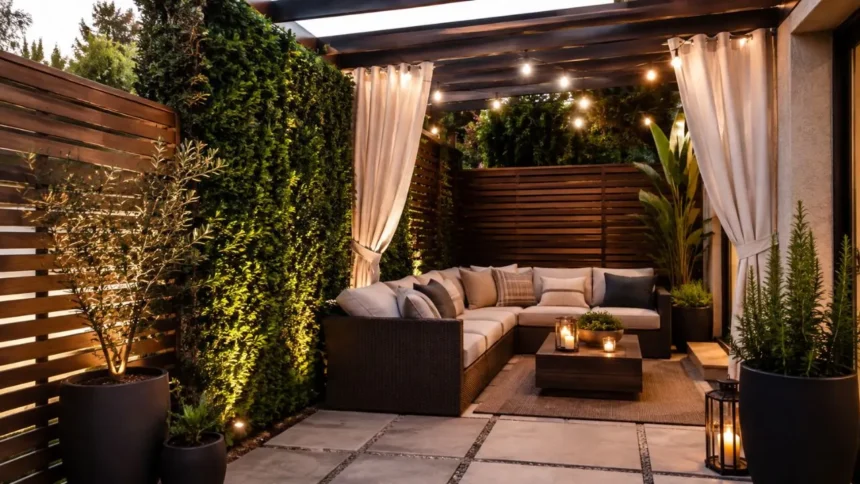
How to Make Your Patio More Private Without Losing Style
A patio should feel like a comfortable extension of your home, but that can be difficult when neighbours, pedestrians or nearby buildings have a direct view of your outdoor space. Without enough privacy, relaxing, dining or spending time with family may feel less enjoyable.
Fortunately, you do not always need to build a tall permanent fence or complete an expensive renovation. Patio privacy can be improved through outdoor screens, climbing plants, curtains, shade structures and thoughtful furniture placement that blocks unwanted views without making the space feel enclosed.
The right solution depends on the size of your patio, the direction of surrounding sightlines and whether you own or rent the property. Your local climate, maintenance preferences, budget and neighbourhood rules may also influence which privacy ideas are practical for your home.
This guide explains how to make your patio more private using attractive, functional and affordable methods. You will learn how to combine natural greenery, decorative structures and flexible outdoor accessories to create a peaceful retreat that still feels open, bright and welcoming.
Quick Answer: What Is the Best Way to Make a Patio Private?
The most effective patio privacy solution usually combines more than one feature. A privacy screen can block the clearest sightline, while potted plants, outdoor curtains or a trellis can soften the structure and make the overall design feel more natural.
For immediate privacy, consider freestanding screens, lattice panels, bamboo fencing or weather-resistant curtains. These options can create coverage quickly and are often easier to install than permanent fencing, particularly on small patios, decks and rented properties.
For a greener long-term solution, use evergreen shrubs, ornamental grasses or climbing plants. Living privacy barriers may take time to develop, but they can provide shade, colour, texture and a more relaxing atmosphere once they become established.
Before buying anything, sit in the areas where you normally relax and identify exactly where privacy is missing. Blocking one or two important viewing angles is often more effective and affordable than surrounding the entire patio with a solid barrier.
Assess Where Your Patio Needs More Privacy
Begin by observing your patio from different positions throughout the day. Check the view from neighbouring windows, nearby balconies, public footpaths, streets and adjoining gardens to determine which parts of the space feel most exposed.
Pay particular attention to seating areas, dining tables, hot tubs and outdoor kitchens. These are the places where people usually spend the most time, so they deserve greater protection than pathways, plant beds or corners that are rarely used.
Privacy needs may also change according to the height of the viewer. A standard fence may block someone standing at ground level but provide little protection from a second-floor window overlooking your backyard or patio.
Create a simple plan showing the direction of unwanted sightlines before selecting your materials. This prevents you from purchasing unnecessary panels or plants and helps you position every privacy feature where it will provide the greatest practical benefit.
Install an Outdoor Privacy Screen
An outdoor privacy screen is one of the fastest ways to make an exposed patio feel more secluded. Screens are available in wood, metal, vinyl, composite materials, bamboo and weather-resistant fabric, giving homeowners many design options.
Freestanding privacy screens are useful when you do not want to make permanent structural changes. They can be positioned beside a seating area, moved when necessary and stored during severe weather or during seasons when the patio is not being used.
Fixed screens generally provide greater stability and can become a permanent part of the patio design. Decorative metal panels, horizontal wood slats and laser-cut screens can block direct views while allowing air and filtered sunlight to pass through.
Choose a screen that complements your home rather than appearing like an afterthought. Matching the colour, material or pattern with existing furniture, fencing or exterior finishes can make the new privacy feature feel intentional and visually balanced.
Use Lattice Panels for Affordable Privacy
Lattice panels provide partial coverage without completely closing the patio. Their open pattern allows light and airflow to enter, making them suitable for homeowners who want greater privacy without creating a dark or restricted outdoor area.
Wood lattice creates a warm, traditional appearance and can be painted or stained to match a fence or deck. Vinyl lattice requires less maintenance and may resist moisture, insects and fading more effectively in certain outdoor conditions.
The spaces in lattice panels can still reveal movement and shapes, so they may not offer complete visual privacy on their own. Adding climbing plants, hanging baskets or narrow fabric strips can increase coverage while improving the decorative appearance.
Lattice can be attached to an existing fence, mounted between posts or used as a freestanding divider. Before installation, confirm that the structure is secure enough to handle wind and that its height complies with local property regulations.
Build a Stylish Privacy Fence
A privacy fence can provide reliable coverage around a patio or backyard, especially when neighbouring properties are close together. Solid wood, composite and vinyl fencing can block direct views more effectively than open screens or decorative panels.
Traditional vertical boards create full coverage, while horizontal fencing offers a more contemporary appearance. A shadowbox or board-on-board design provides a balance between privacy and airflow, depending on how closely the boards are positioned.
Consider the scale of the patio before building a tall fence. A large solid structure may feel appropriate around a spacious backyard, but it can make a compact patio appear smaller, darker and less connected to the surrounding landscape.
Check property boundaries, utility locations, permit requirements and homeowners association rules before construction begins. Discussing the project with affected neighbours may also prevent disagreements about fence placement, height, appearance or responsibility for future maintenance.
Grow Plants for Natural Patio Privacy
Plants are among the most attractive ways to create patio privacy because they soften hard surfaces and add natural colour. Evergreen shrubs can provide year-round coverage, while flowering plants can introduce seasonal fragrance and visual interest.
Choose plants according to your local climate, available sunlight, soil conditions and desired mature size. A plant that appears compact at the nursery may eventually become too wide or tall for the patio if its growth requirements are overlooked.
Dense evergreen shrubs are useful for permanent screening, while ornamental grasses can create movement and partial coverage. Bamboo can grow quickly, but spreading varieties may become invasive unless they are planted in containers or controlled with proper barriers.
Avoid placing large plants so close together that they become unhealthy or difficult to maintain. Allowing enough room for mature growth improves air circulation, reduces competition and creates a more attractive living privacy screen over time.
Create Privacy with Tall Potted Plants
Tall potted plants are ideal for patios where permanent landscaping is not possible. Containers can be arranged around a dining table, lounge chair or hot tub to block specific views without changing the entire garden.
Large planters filled with bamboo, small trees, evergreen shrubs or ornamental grasses can create an effective portable screen. Using several containers together often produces better coverage than relying on one oversized plant in an exposed location.
Choose heavy, stable containers that will not fall during strong winds. Ensure each pot has adequate drainage, and select materials that can tolerate local temperature changes, sunlight and moisture without cracking or deteriorating.
Container plants usually require more frequent watering and feeding than plants growing directly in the ground. Before choosing this method, consider whether you can provide the regular maintenance needed to keep the privacy barrier healthy and attractive.
Add Climbing Plants to a Trellis
A trellis creates vertical privacy without occupying much floor space, making it useful for narrow patios and small gardens. It can be attached to a wall, mounted inside a planter or installed as a freestanding outdoor divider.
Climbing plants gradually cover the open structure and create a softer barrier than solid fencing. Jasmine, clematis, climbing roses and other suitable vines can add fragrance, colour and greenery while reducing visibility into the patio.
Plant growth speed varies, so a trellis may not provide complete privacy immediately. Temporary fabric, reed screening or decorative panels can be placed behind the structure until the plants become dense enough to create the desired coverage.
Select climbing plants carefully because some vines can become heavy, aggressive or damaging to nearby surfaces. Use proper supports, maintain regular pruning and avoid allowing vigorous plants to enter gutters, roof spaces or neighbouring properties.
Hang Outdoor Curtains
Outdoor curtains can transform a patio into a comfortable, room-like retreat. They work particularly well around pergolas, covered patios, gazebos and porches where there is already a stable overhead structure for hanging rods or tracks.
Choose curtains designed for outdoor use because indoor fabric may fade, absorb moisture or develop mildew. Weather-resistant materials are generally easier to clean and more capable of handling sunlight, humidity and changing outdoor conditions.
Curtains offer adjustable privacy because they can remain open when the patio feels quiet and close when greater separation is needed. They can also provide limited shade and help soften the appearance of wood, metal or concrete structures.
Secure the lower edges with discreet ties or weights so the fabric does not move excessively in the wind. Remove or firmly fasten the curtains before severe weather to prevent damage to the material, hardware or supporting patio structure.
Install Roll-Down Outdoor Shades
Roll-down shades provide flexible coverage for patios exposed to neighbouring windows or strong afternoon sunlight. They can be lowered when privacy is needed and rolled away when you want a more open view of the garden.
Outdoor shades are available in solid and woven materials with different levels of visibility. A tightly woven shade provides greater privacy, while a more open fabric allows additional airflow and filtered light to enter the space.
The appearance of a shade can change after sunset when the patio is illuminated from inside. Some materials that seem private during daylight may reveal silhouettes at night, so evaluate both daytime and evening performance before purchasing.
Mount the shades securely and choose hardware designed for exterior conditions. Side guides, clips or anchors can reduce movement in the wind, but the shades should normally be raised during storms or whenever weather conditions become unsafe.
Add a Pergola for Overhead Privacy
Privacy concerns do not always come from the side of a patio. Upper-floor windows and nearby balconies can create downward sightlines, making overhead screening necessary for a more protected outdoor seating area.
A pergola provides a strong framework for privacy panels, climbing plants, fabric canopies and retractable shades. It can define the patio as a separate outdoor room while adding architectural character and partial protection from the sun.
Traditional pergola slats provide limited overhead coverage, so additional features may be required. A retractable canopy allows you to adjust shade and privacy, while climbing vines can create a greener roof as they mature.
Because a pergola is a substantial structure, proper planning is essential. Confirm foundation requirements, wind resistance, drainage, property setbacks and building regulations before installing a permanent structure over or beside the patio.
Rearrange Your Outdoor Furniture
Furniture placement can improve patio privacy without requiring new construction. Turning a sofa away from neighbouring properties or positioning a dining table behind an existing wall may immediately make the area feel less exposed.
A tall-backed outdoor sofa can create a visual boundary around a seating area. Placing a console table, planter or storage bench behind it can strengthen the separation while providing additional space for plants and outdoor accessories.
Create smaller activity zones rather than leaving all furniture in one open arrangement. A private reading corner, protected dining space and sheltered conversation area can feel more comfortable than a single exposed layout in the centre of the patio.
Avoid placing furniture where it blocks important pathways or makes the patio difficult to use. Privacy improvements should support movement, conversation and relaxation rather than producing a crowded arrangement that feels uncomfortable or unsafe.
Build a Vertical Garden
A vertical garden combines privacy with practical use of limited space. Plants can be grown in wall-mounted containers, modular systems, hanging pockets or stacked planters attached to a strong and moisture-resistant supporting structure.
Leafy herbs, compact flowers and trailing plants can gradually create attractive coverage. A vertical garden also introduces texture and colour to plain walls, helping a small patio feel more welcoming without sacrificing valuable floor area.
The structure must be able to support the combined weight of containers, wet soil and mature plants. Water should drain away from walls, electrical connections and walking surfaces to prevent staining, damage or slippery conditions.
Choose plants with similar water and sunlight requirements to simplify maintenance. An irrigation system may be useful for a large installation, while a smaller garden can be watered manually if every container remains easy to reach.
Use a Decorative Room Divider
An exterior room divider offers a simple way to separate one part of the patio from another. It can shield a dining table, reading chair or outdoor workspace without requiring permanent posts, foundations or major construction.
Folding dividers are especially flexible because their angle can be adjusted to block changing sightlines. They can also be moved indoors or placed in storage when the patio needs to accommodate a larger gathering.
Look for a product designed to withstand outdoor conditions. Indoor dividers made from lightweight fabric, untreated wood or delicate materials may warp, fade or become unstable after exposure to rain, sunlight and wind.
A divider can also serve as a decorative focal point. Choose a pattern, texture or colour that connects with outdoor cushions, planters and furniture so the privacy feature contributes to the overall patio design.
Reduce Noise for a More Private Feeling
Privacy is not only about preventing people from seeing the patio. Nearby conversations, traffic and household sounds can also make an outdoor space feel exposed, even when a physical screen blocks the view.
Dense plants, solid fencing and layered landscaping can help soften some surrounding noise. However, lightweight screens and thin curtains generally provide limited sound reduction because noise can travel above, around and through these materials.
A small water feature can mask distracting background sounds with a consistent and relaxing flow of water. Position it near the main seating area so its sound is noticeable without becoming loud enough to disturb neighbours.
Outdoor speakers can also create atmosphere, but their volume should remain considerate. The aim is to make conversations feel more comfortable, not to cover surrounding noise with music that creates another neighbourhood privacy problem.
Improve Patio Privacy with Smart Lighting
Bright lighting can make an enclosed patio visible from a surprising distance at night. Instead of using one powerful overhead fixture, create a layered lighting plan with smaller, carefully directed sources.
Low-level pathway lights, table lamps and downward-facing wall lights can illuminate the patio without broadcasting activity beyond the property. Warm lighting often creates a softer and more relaxing atmosphere than intense cool-white illumination.
Place brighter lights behind privacy screens or below the height of neighbouring sightlines. Avoid directing fixtures toward nearby homes, windows or public areas because glare can reduce your own privacy while creating discomfort for others.
Timers, motion sensors and dimmers provide greater control over outdoor lighting. Adjusting brightness according to the activity allows you to enjoy safe visibility while maintaining a calm, secluded feeling during evening use.
Try Budget-Friendly Patio Privacy Ideas
Improving privacy does not always require expensive construction. Reed fencing, shade cloth, fabric panels and freestanding trellises can provide affordable coverage when they are installed securely and selected for outdoor use.
Repurposed wooden panels or carefully finished pallets may be used to create a rustic screen. Any reclaimed material should be structurally sound, free from dangerous chemicals and properly sanded or sealed before being placed near people and furniture.
Large planters can be expensive, so several medium-sized containers may offer a more flexible alternative. Fast-growing annual vines can also provide seasonal coverage while permanent shrubs or climbing plants are becoming established.
Focus your budget on the most visible angle rather than trying to cover every side of the patio. A well-positioned screen combined with thoughtful furniture placement can often provide more privacy than several poorly located features.
Use Renter-Friendly Privacy Solutions
Renters can improve patio privacy without drilling into walls, installing permanent fencing or making unauthorised structural changes. Freestanding screens, weighted planters, folding dividers and outdoor curtains on tension systems are useful temporary options.
Before adding any feature, review the rental agreement and building rules. Apartment patios and balconies may have restrictions related to screen height, exterior appearance, fire safety, drainage and objects attached to railings.
Avoid lightweight materials that could fall from an elevated balcony or become airborne during strong winds. Every privacy screen, planter and piece of furniture should be stable enough for the location and local weather conditions.
Choose items that can move with you when the lease ends. Modular screens, portable planters and compact furniture offer practical privacy now while remaining useful in a different patio, balcony or rental home later.
Make a Small Patio Feel Private
A small patio can become visually crowded when too many privacy features are added. Instead of surrounding the entire space with solid walls, block only the most exposed views and preserve openings where natural light is needed.
Use narrow planters, wall-mounted trellises and vertical gardens to save floor space. Furniture with built-in storage can also reduce clutter, allowing the limited area to feel more organised and comfortable.
Light-coloured screens and open lattice may prevent the patio from feeling confined. Mirrors designed for safe outdoor use can reflect greenery and brightness, although they should be positioned carefully to avoid glare and unwanted reflections.
Choose a consistent group of materials rather than adding unrelated products. Repeating the same wood tone, planter style or fabric colour can make a compact patio feel calmer, larger and more deliberately designed.
Combine Different Patio Privacy Ideas
The most natural-looking patios often use layered privacy rather than one large barrier. A low fence, medium-height shrubs and a taller trellis can block views at several levels while maintaining visual depth.
Hard structures provide immediate coverage, while plants soften their appearance over time. For example, a wood screen can create privacy on the first day, and climbing vines can gradually add colour, shade and texture.
Adjustable features make the space more flexible. Curtains, folding panels and roll-down shades can be opened during quiet periods and closed when neighbouring patios, windows or shared outdoor areas are active.
Keep the overall design balanced by limiting the number of competing materials. Two or three coordinated privacy elements usually create a more polished result than several unrelated screens, fabrics, plants and decorative features.
Common Patio Privacy Mistakes to Avoid
One common mistake is installing a barrier without checking the main sightline. A screen may appear tall from inside the house but fail to block the view of someone standing on a raised deck or looking down from an upper window.
Another mistake is selecting plants only for their current appearance. Trees, bamboo and shrubs can become too large for the available space, damage nearby surfaces or require more pruning and watering than the homeowner expected.
Ignoring wind is also dangerous. Freestanding panels, curtains and tall planters can become unstable during storms, so they must be properly anchored, weighted or stored when severe conditions are expected.
Finally, do not overlook local rules or neighbour relationships. A privacy project may create disputes when it crosses a property boundary, blocks important light, interferes with drainage or violates permitted fence-height requirements.
Maintain Your Patio Privacy Features
Wood fencing, screens and trellises may require periodic cleaning, staining or sealing. Regular maintenance protects the material from moisture and sunlight while helping the structure remain stable and attractive.
Outdoor fabrics should be cleaned according to their care instructions and allowed to dry fully. Storing curtains, shades and cushions during harsh weather can prevent mildew, fading and unnecessary wear.
Living screens need watering, feeding, pruning and occasional replacement. Inspect plants for pests, disease and overcrowding so they continue providing dense, healthy coverage rather than becoming thin or damaged.
Check anchors, posts, brackets and hardware at least once each season. Repairing a loose connection early is safer and usually less expensive than replacing a privacy structure after it has been damaged by wind or repeated movement.
Final Thoughts
Learning how to make your patio more private begins with identifying where unwanted views originate. Once you understand the main sightlines, you can choose a solution that creates coverage without unnecessarily blocking light, airflow or attractive garden views.
Outdoor privacy screens, fences and lattice panels provide immediate results. Plants, vertical gardens and climbing vines add softer long-term coverage, while curtains and roll-down shades allow privacy to be adjusted throughout the day.
Your solution should fit the size of the patio, local weather, maintenance needs and available budget. It should also follow property rules and remain stable enough to be used safely in changing outdoor conditions.
A thoughtful combination of screening, greenery, furniture and lighting can turn an exposed patio into a comfortable outdoor retreat. The goal is not complete isolation, but a balanced space where you can relax, dine and spend time with greater confidence.
What is the cheapest way to make a patio private?
A freestanding fabric screen, reed fencing or strategically placed potted plants can provide affordable privacy. Focus on blocking the main viewing angle instead of enclosing the entire patio.
How can I block my neighbour’s view of my patio?
Install a privacy screen, trellis, fence or row of tall plants along the exposed side. For views from upper windows, consider a pergola, canopy or overhead shade.
What plants are best for patio privacy?
Evergreen shrubs, ornamental grasses, container-grown bamboo and climbing vines are popular choices. Select plants suited to your climate, sunlight and available growing space.
How can renters create patio privacy?
Renters can use folding screens, weighted planters, freestanding trellises and temporary outdoor curtains. Check the rental agreement before attaching anything to walls, railings or shared structures.
How tall should a patio privacy screen be?
The ideal height depends on the viewing angle and local regulations. Measure from the seated position and check neighbourhood or municipal rules before installing a tall permanent screen.