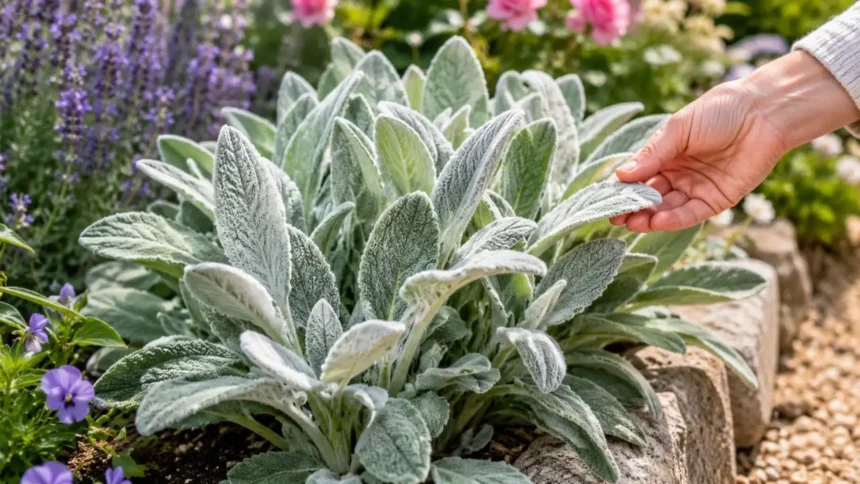
Lambs Ear Plant: Growing, Care and Garden Uses
The lambs ear plant is loved for its soft, silver-grey leaves that feel remarkably similar to a lamb’s ear. Its velvety foliage adds colour, texture and contrast to garden beds, borders and containers, even when the plant is not producing flowers.
Botanically known as Stachys byzantina, lamb’s ear is a low-growing perennial from the mint family. It forms spreading clumps of fuzzy leaves and can produce upright flower spikes covered with small pink, purple or lavender blooms during summer.
This hardy ornamental plant is popular because it is attractive, drought tolerant and relatively easy to maintain. Once established, it can handle dry conditions better than many flowering garden plants, making it useful in water-wise and low-maintenance landscapes.
Although lamb’s ear is generally simple to grow, excessive moisture can quickly cause problems. Choosing a sunny location with well-draining soil is the most important step toward keeping its foliage healthy, soft and free from rot.
What Is a Lambs Ear Plant?
Lamb’s ear is an herbaceous perennial grown mainly for its thick, woolly leaves. The foliage usually forms a low rosette close to the ground, creating a soft carpet that looks especially striking beside plants with green, purple or burgundy leaves.
The plant belongs to the Lamiaceae family, which also includes mint, lavender, rosemary and sage. Unlike many culinary herbs in this family, lamb’s ear is primarily valued as an ornamental ground cover rather than as a commonly used kitchen ingredient.
Mature plants usually grow around 6 to 12 inches tall when they are not flowering. The flower stems can rise 12 to 24 inches above the foliage, depending on the variety, climate, growing conditions and amount of available sunlight.
Its leaves are covered with tiny hairs that create the plant’s familiar silver appearance and soft texture. These hairs also help reduce water loss and protect the leaves from intense sun, which partly explains the plant’s impressive drought tolerance.
Why Gardeners Love Lambs Ear
One of the biggest attractions of lamb’s ear is its unusual texture. Children and adults often enjoy touching the soft leaves, making the plant a popular addition to sensory gardens, family landscapes and areas designed for interactive outdoor learning.
The silvery foliage remains visually appealing for much of the growing season. It can brighten darker borders, soften the edges of pathways and provide a calm neutral colour between bright flowering plants without competing for attention.
Lamb’s ear also works well in low-water gardens because established plants do not require frequent irrigation. Its ability to tolerate heat and dry soil makes it a practical choice for gardeners who want beauty without demanding maintenance.
Another advantage is its natural resistance to many browsing animals. Deer and rabbits often avoid the woolly leaves, although no plant can be considered completely resistant when food is limited or wildlife pressure is especially high.
Where Does Lambs Ear Grow Best?
Lamb’s ear grows best in warm, sunny locations with excellent air circulation. It performs particularly well in rock gardens, gravel beds, raised borders and other areas where excess water drains quickly away from the plant’s crown.
The plant is commonly grown as a perennial in USDA hardiness zones 4 through 9. Its exact performance varies by variety and local conditions, but established roots can usually survive cold winters when the soil does not remain wet.
Gardeners in hot regions may find that lamb’s ear benefits from light afternoon shade. Protection from the strongest heat can reduce leaf stress, particularly where summer temperatures are intense and the soil dries very quickly.
In humid climates, sunlight alone may not prevent fungal issues. Wider plant spacing, good air movement and careful watering are especially important because moisture trapped between the dense, fuzzy leaves can encourage rotting and leaf diseases.
How Much Sun Does Lambs Ear Need?
Full sun is generally the best light condition for lamb’s ear. A location receiving at least six hours of direct sunlight each day helps the plant develop compact growth, strong silver colour and better resistance to moisture-related problems.
The plant can also grow in partial shade, especially in hot climates. However, excessive shade may cause the foliage to become greener, softer or less dense, while the stems may stretch toward available light and lose their tidy appearance.
Morning sun with light afternoon shade can be ideal in regions with extremely hot summers. This combination provides enough light for healthy growth while protecting the foliage from intense late-day heat that may cause scorching or stress.
Avoid planting lamb’s ear beneath dense trees or beside structures that block most sunlight. Deep shade, poor air circulation and wet soil together create the conditions most likely to cause crown rot, leaf decline and weak growth.
Choosing the Right Soil
Lamb’s ear prefers loose, well-draining soil that allows water to move away from its roots quickly. Sandy, gravelly or moderately fertile garden soil is often more suitable than heavy clay that remains wet after rainfall.
A slightly acidic to neutral soil is generally acceptable, although the plant is not especially demanding about pH. Drainage matters far more than richness because overly fertile, moisture-retentive soil can encourage floppy leaves and excessive spreading.
Before planting in compacted ground, loosen the soil and mix in coarse organic material where appropriate. Raised beds or mounded planting areas can also improve drainage when the existing garden soil is dense or slow to dry.
Avoid adding large amounts of rich compost or moisture-holding material directly around the crown. Lamb’s ear performs better in relatively lean soil, and too much fertility can reduce its compact form while increasing the risk of fungal problems.
How to Plant Lambs Ear
The best time to plant lamb’s ear is usually spring after the risk of severe frost has passed. It can also be planted in early autumn, provided the roots have enough time to establish before the ground freezes.
Dig a hole slightly wider than the plant’s root ball but no deeper. Position the plant so the top of the root system sits level with the surrounding soil, as burying the crown can trap moisture and encourage rot.
Space plants around 12 to 18 inches apart, depending on the variety and intended effect. Closer spacing creates a solid ground cover sooner, while wider spacing improves airflow and can reduce disease problems in humid climates.
Water the newly planted lamb’s ear thoroughly to settle the soil around its roots. After the initial establishment period, gradually reduce watering so the soil can dry between applications and the plant develops a stronger, more drought-tolerant root system.
How Often Should You Water Lambs Ear?
Newly planted lamb’s ear needs regular watering until its roots become established. Water deeply when the upper layer of soil feels dry, but avoid keeping the planting area constantly damp or saturated.
Established plants are drought tolerant and usually need only occasional supplemental water. Natural rainfall may provide enough moisture in many climates, particularly when the plants are growing directly in the ground rather than in containers.
Always water the soil around the base instead of spraying the fuzzy leaves. Overhead watering can leave moisture trapped on the foliage, increasing the likelihood of leaf spots, mildew, crown rot and unattractive brown patches.
Container-grown lamb’s ear may dry out faster than plants in garden beds. Check the potting mix regularly during hot weather, but still allow the upper portion to dry before watering again to protect the roots from excess moisture.
Does Lambs Ear Need Fertilizer?
Lamb’s ear generally grows well without regular fertilizer. It is naturally adapted to relatively poor soil, and excessive feeding can produce soft, floppy growth that is more vulnerable to moisture, pests and disease.
If the plant appears weak in very poor soil, apply a small amount of balanced, slow-release fertilizer in spring. Use less than the maximum recommended amount and keep the product away from the crown and wet foliage.
A thin layer of compost around the outer growing area may be enough to support healthy development. Avoid piling compost directly against the centre of the plant because trapped moisture can damage the crown.
Plants growing in containers may need light feeding because nutrients wash out of potting soil more quickly. A diluted balanced fertilizer applied once or twice during active growth is usually sufficient for maintaining healthy foliage.
When Does Lambs Ear Bloom?
Lamb’s ear usually blooms from late spring through summer, although timing varies according to the local climate. Tall flower spikes rise above the silver foliage and carry small pink, lavender or purple flowers.
The flowers can attract bees and other beneficial pollinators. While the individual blooms are not especially large, the upright spikes create height and movement above the low-growing leaves.
Some gardeners appreciate the flowers, while others remove the stalks to maintain a neat silver ground cover. Flowering can make certain varieties look untidy, particularly when the stems lean after heavy rain or strong wind.
Removing flower spikes can also limit self-seeding. If you want the plant to remain compact and focused on foliage production, cut the stems close to the base after the flowers begin to fade.
How to Prune Lambs Ear
Lamb’s ear benefits from light seasonal pruning rather than heavy cutting throughout the year. Remove damaged, brown or rotting leaves whenever they appear to improve airflow and prevent decaying material from collecting around the crown.
After flowering, cut spent flower stalks back to the base using clean, sharp pruning shears. This keeps the plant looking tidy and prevents unwanted seedlings from appearing in surrounding beds.
In spring, clear away old foliage damaged by winter rain, snow or frost. New leaves normally emerge from the centre, so avoid cutting into healthy crowns while removing dead material.
Do not shear the entire plant during wet weather. Freshly cut foliage can hold moisture and become vulnerable to disease, so choose a dry day and allow the remaining leaves to receive plenty of airflow.
How to Propagate Lambs Ear
Division is one of the easiest and most reliable ways to propagate lamb’s ear. Mature clumps naturally expand outward, producing rooted sections that can be separated and replanted in another well-drained part of the garden.
Divide plants in spring or early autumn when temperatures are mild. Lift the clump carefully, separate healthy rooted pieces and discard any soft, dark or rotting sections before replanting.
Lamb’s ear can also be grown from seed, although seedlings may vary in colour, size and texture. Sow seeds according to packet instructions and keep the growing medium lightly moist without making it waterlogged.
Self-seeded plants may appear around mature clumps when flower stalks are left in place. Remove unwanted seedlings while they are small, or transplant healthy ones to fill gaps in a border or ground-cover planting.
Growing Lambs Ear in Containers
Lamb’s ear can grow successfully in containers when drainage is excellent. Choose a pot with several drainage holes and avoid decorative containers that allow water to remain trapped around the roots.
Use a loose, fast-draining potting mix rather than heavy garden soil. Adding coarse material designed for container drainage can help prevent the mix from staying wet after rainfall or irrigation.
Place the container in full sun or bright partial shade. Rotate the pot occasionally if light reaches only one side, as even exposure helps the plant maintain a balanced and attractive shape.
Container plants may need more frequent watering during summer but remain sensitive to overwatering. Empty saucers after irrigation and protect the pot from prolonged winter rain if the plant is dormant.
Using Lambs Ear in Landscape Design
Lamb’s ear is an excellent edging plant for pathways and garden borders. Its low, spreading leaves soften hard surfaces and create a smooth transition between paving, gravel, lawn and taller plants.
The silver foliage pairs beautifully with lavender, salvia, catmint, roses, yarrow and ornamental grasses. It can also highlight purple-leaved plants, dark green shrubs and bright flowers in red, pink, blue or yellow.
In rock gardens, lamb’s ear can fill spaces between stones while tolerating the warm, dry conditions found near gravel and masonry. Its spreading habit makes it useful for covering exposed soil without forming a tall or visually heavy mass.
Avoid placing it directly beside plants that require constantly moist soil. A shared bed works best when all nearby plants prefer similar drainage, sunlight and watering conditions.
Can Lambs Ear Be Used as Ground Cover?
Lamb’s ear forms spreading clumps that can gradually create a dense carpet of silver foliage. This habit makes it useful as a decorative ground cover in sunny, dry and well-drained locations.
It is particularly effective on slopes, along borders or between widely spaced shrubs. Once established, the leaves can shade some exposed soil and help reduce the appearance of small weeds.
However, lamb’s ear is not suitable for areas with regular foot traffic. Although the leaves are soft, repeated stepping can crush the foliage, compact the soil and create damaged areas that hold moisture.
Its spreading behaviour should also be monitored in small gardens. Remove unwanted outer sections or divide the plant every few years to keep it within the intended space.
Is Lambs Ear Invasive?
Lamb’s ear is not considered equally invasive in every region, but it can spread aggressively under favourable conditions. It expands through creeping stems and may also produce seedlings when flowers are allowed to mature.
In dry, controlled garden beds, its spreading habit is usually manageable. Problems are more likely when the plant is left unattended and allowed to move into pathways, lawns or nearby planting areas.
Deadheading the flowers before seeds develop can reduce unwanted seedlings. Regular division also controls the size of established clumps and prevents the centre from becoming crowded or unhealthy.
Gardeners should check local invasive plant guidance before planting unfamiliar varieties. Regional climate, soil and rainfall can significantly influence how quickly lamb’s ear spreads outside its original location.
Common Lambs Ear Plant Problems
The most common lamb’s ear problems are linked to excessive moisture. Yellow leaves, brown patches, soft crowns and collapsing growth often indicate poor drainage, overwatering or insufficient air circulation.
Fungal leaf spots may develop during humid or rainy periods. Remove affected foliage, reduce overhead watering and thin crowded plants so air can move more easily through the clump.
Root and crown rot can become severe when the plant sits in wet soil. Once the crown becomes soft and dark, recovery may be difficult, so prevention through proper planting and drainage is essential.
Slugs and snails may occasionally hide beneath the dense foliage, particularly in damp gardens. Clearing dead leaves and reducing unnecessary moisture makes the area less attractive to these pests.
Why Are Lambs Ear Leaves Turning Brown?
Brown leaves often appear when the plant receives too much water or remains wet for long periods. The fuzzy surface traps moisture, allowing damaged areas to develop when airflow is poor.
Intense heat and drought can also brown the leaf edges, especially in containers. Check the soil before watering so you can distinguish between dryness and excess moisture rather than treating both problems the same way.
Older leaves near the base naturally decline as new growth develops. Removing these leaves is normal maintenance and does not necessarily indicate that the entire plant is unhealthy.
If browning spreads quickly, inspect the crown and roots for rot. Improve drainage, remove damaged tissue and reduce watering before the condition affects healthy sections of the clump.
Is Lambs Ear Evergreen?
Lamb’s ear may remain evergreen or semi-evergreen in mild climates. Its leaves can continue providing silver colour through winter when temperatures remain moderate and the soil does not stay excessively wet.
In colder regions, the foliage may die back after repeated frost or heavy snow. The roots usually remain alive underground, allowing new growth to emerge when temperatures rise in spring.
Winter appearance also depends on drainage. Cold, wet soil can damage the crown more severely than low temperatures alone, which is why raised beds and gravelly soil often improve winter survival.
Leave healthy foliage in place until spring unless it becomes rotten or diseased. The remaining leaves can provide some protection, but damaged material should be removed before new growth becomes crowded.
Popular Lambs Ear Varieties
‘Big Ears’ is a widely grown variety known for producing especially large, soft leaves. It tends to flower less heavily than some traditional forms, making it a good choice for gardeners who primarily want silver foliage.
‘Silver Carpet’ is another foliage-focused variety that produces few or no flowers in many growing conditions. Its low habit makes it useful for edging, ground cover and formal planting designs.
‘Helen von Stein’ develops broad, densely woolly leaves and forms substantial clumps. It is often chosen for its dramatic texture and strong visual impact in dry borders and Mediterranean-style gardens.
‘Cotton Boll’ produces distinctive flower clusters that can resemble small cotton-like formations. Availability differs by region, so gardeners may need to check specialist nurseries for less common lamb’s ear cultivars.
Is Lambs Ear Safe for Children and Pets?
Lamb’s ear is widely used in children’s sensory gardens because its leaves are soft and enjoyable to touch. It does not have thorns, sharp edges or irritating sap that commonly causes problems during casual handling.
The plant is generally considered low risk around household pets, but animals should not be encouraged to eat large quantities of any ornamental plant. Individual pets can experience digestive upset after chewing unfamiliar vegetation.
Young children should also be taught not to taste garden plants without adult guidance. A plant may have traditional uses without being suitable for unrestricted eating or home treatment.
When planning a family garden, also consider any fertilizers, pesticides or weed-control products used nearby. These materials may pose a greater concern than the lamb’s ear plant itself.
Traditional Uses of Lambs Ear
Lamb’s ear has a history of traditional use because its thick, absorbent leaves can feel soft against the skin. In the past, the foliage was sometimes used as a natural dressing for small wounds.
The leaves have also been associated with traditional herbal practices. However, historical use does not confirm that the plant is medically effective, sterile or appropriate for treating an injury.
Fresh garden leaves may carry soil, bacteria, fungi, pesticides or animal waste. They should not replace clean bandages, proper wound care or professional medical advice.
Today, lamb’s ear is best appreciated as an ornamental, sensory and pollinator-friendly plant. Its practical value in modern gardens comes mainly from its texture, drought tolerance and distinctive silver appearance.
How to Care for Lambs Ear Through the Seasons
In spring, remove damaged winter foliage and divide overcrowded clumps. Check the soil around the crown and correct drainage problems before regular seasonal growth begins.
During summer, water only when necessary and monitor the plant after heavy rain. Remove spent flower spikes if you want to prevent self-seeding or maintain a lower, neater appearance.
In autumn, divide healthy plants in mild climates and clear away rotting leaves. Avoid heavy fertilization because soft new growth may be less prepared for cold weather.
During winter, protect the plant mainly from excess moisture rather than cold. Keep fallen leaves and wet mulch away from the crown so air can circulate around the dormant or semi-evergreen foliage.
Best Companion Plants for Lambs Ear
Lavender is one of the best companion plants for lamb’s ear because both prefer sun, dry soil and good drainage. Their purple flowers and silver foliage create a classic, calming colour combination.
Salvia, catmint and yarrow also grow well in similar conditions. These plants add longer-lasting blooms that attract pollinators while allowing lamb’s ear to provide low-growing texture around their bases.
Roses benefit visually from the soft silver leaves, which can hide bare lower stems and create contrast with colourful flowers. Ensure the bed still has enough airflow and avoid overwatering the lamb’s ear when caring for the roses.
Sedum, dianthus and drought-tolerant ornamental grasses are additional options for dry borders. Choose companions with similar moisture needs so one plant does not suffer while another receives the care it requires.
Final Thoughts on Growing Lambs Ear
The lambs ear plant is a dependable perennial for gardeners who want soft texture, silver colour and relatively simple care. It works especially well in sunny borders, sensory gardens, rock gardens and drought-tolerant landscapes.
Its most important requirement is excellent drainage. Once established in suitable soil, lamb’s ear usually needs little fertilizer and only occasional watering to maintain healthy, attractive foliage.
Routine pruning, deadheading and division help prevent overcrowding and unwanted spreading. Removing damaged leaves also keeps moisture from becoming trapped around the crown during wet or humid weather.
With the right location and modest seasonal care, lamb’s ear can return year after year. Its unique velvety leaves make it both a practical ground cover and a memorable feature in almost any sunny garden.
Frequently Asked Questions
Does lambs ear come back every year?
Yes, lamb’s ear is a perennial in suitable hardiness zones. Its foliage may die back during cold winters, but healthy roots usually produce fresh leaves in spring.
Does lambs ear prefer sun or shade?
Lamb’s ear grows best in full sun but can tolerate partial shade. In very hot climates, light afternoon shade may protect the leaves from intense heat.
How quickly does lambs ear spread?
The plant spreads gradually through creeping stems and rooted clumps. Its growth rate depends on the variety, sunlight, soil drainage and local climate.
Should lambs ear be cut back?
Remove brown leaves and spent flower stems to keep the plant tidy. A full cutback is usually unnecessary unless the foliage has been severely damaged by winter or disease.
Can lambs ear grow in pots?
Yes, lamb’s ear grows well in containers with drainage holes and fast-draining potting soil. Place the pot in a sunny location and avoid overwatering.