Why Choosing the Right Indoor Plants for Small Rooms Matters
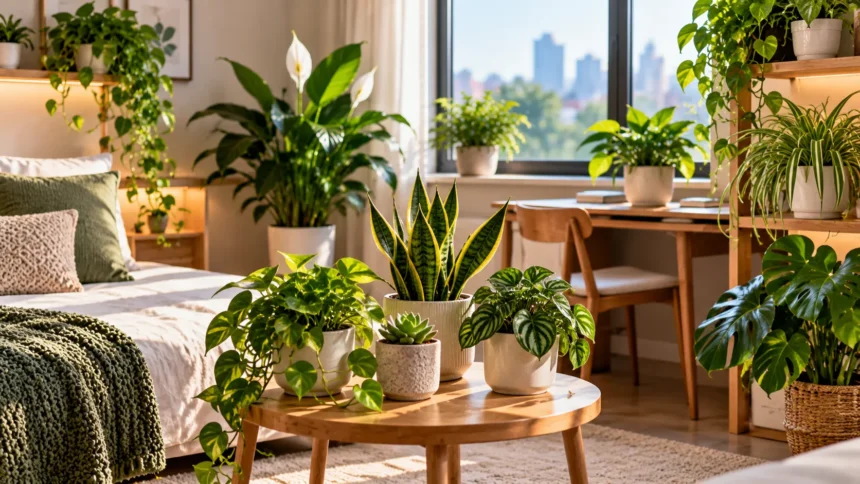
Indoor plants can make a small room feel welcoming, comfortable, and connected to nature without requiring major decorating changes. However, limited floor space, restricted sunlight, and crowded furniture can make plant selection challenging. Choosing compact houseplants that match your room’s conditions helps create an attractive indoor environment without making the available space feel smaller or difficult to manage.
The best indoor plants for small rooms usually have manageable growth habits, attractive foliage, and relatively simple care requirements. Some varieties grow upright, while others look beautiful hanging from shelves or trailing along furniture. Understanding these differences helps you select plants that complement your interior design while leaving enough room for everyday activities and comfortable movement.
Lighting, temperature, and available growing space should guide your final decision. A plant that thrives beside a bright window might struggle in a dim bedroom or enclosed office. By selecting suitable low-maintenance indoor plants and arranging them thoughtfully, you can enjoy greenery without turning plant care into a complicated daily responsibility.
Snake Plant: Best for Narrow Corners and Small Bedrooms
The snake plant is a popular choice for small rooms because its upright leaves create an attractive appearance without spreading across surrounding furniture. Its architectural foliage works well in modern bedrooms, compact apartments, and home offices. Depending on the variety, snake plants may feature deep green leaves, yellow edges, or subtle patterns that add visual interest.
Snake plants tolerate lower light levels than many common houseplants, although they generally grow better with brighter indirect sunlight. They also store moisture in their thick leaves, reducing the need for frequent watering. Allow the potting mix to dry thoroughly between waterings, because constantly wet soil can damage the roots and cause unnecessary problems.
Compact snake plant varieties are particularly useful for desks, shelves, and narrow spaces beside furniture. Their vertical growth makes them practical when floor space is limited but a little greenery would improve the room. However, snake plants are toxic to cats and dogs if eaten, so pet owners should choose safer alternatives or prevent access.
ZZ Plant: Best Low-Maintenance Plant for Small Spaces
The ZZ plant is valued for its glossy green leaves, upright stems, and ability to tolerate imperfect indoor growing conditions. Its polished appearance suits small living rooms, bedrooms, and professional workspaces. Compact varieties can fit neatly on furniture or in narrow corners, adding greenery without requiring an elaborate indoor gardening setup or frequent maintenance.
ZZ plants grow best in bright, indirect light but can tolerate relatively low-light environments. Their underground rhizomes store moisture, allowing established plants to survive occasional missed watering sessions. The soil should dry substantially before watering again, since excessive moisture is more likely to create problems than a short period of dryness.
Another advantage of ZZ plants is their slow growth compared with many fast-growing indoor vines. This makes them convenient for people who prefer houseplants that do not need frequent trimming or repotting. Keep them away from curious pets and young children, because their plant tissues contain irritating calcium oxalate crystals that can cause discomfort if chewed.
Pothos: Best Hanging Plant for Small Rooms
Pothos is an adaptable indoor vine that adds beautiful trailing greenery to shelves, hanging planters, and compact living spaces. Its heart-shaped leaves come in several colors and patterns, including solid green and attractive variegated combinations. Because pothos grows along flexible stems, it can decorate vertical areas while leaving valuable floor space available for furniture.
This houseplant performs well in moderate to bright indirect light, although solid green varieties can tolerate somewhat dimmer conditions. Water when the upper layer of potting mix becomes dry, and avoid leaving the roots standing in water. Regular pruning helps control long vines while encouraging a fuller appearance that suits smaller indoor spaces.
Pothos works particularly well on high shelves, wall-mounted planters, or furniture positioned near suitable natural light. Its trailing growth creates a decorative effect without requiring a large container or dedicated plant stand. However, pothos is toxic to cats and dogs, making pet-safe alternatives preferable in homes where animals might reach the leaves.
Spider Plant: Best for Shelves and Hanging Baskets
Spider plants are excellent indoor plants for small rooms because their narrow, arching leaves create an attractive fountain-like appearance. Their green or striped foliage adds movement and texture to simple interiors without requiring much decoration. Compact specimens fit comfortably on shelves, while established plants look especially appealing in hanging baskets near a bright window.
Spider plants prefer bright, indirect sunlight but can tolerate moderate indoor light. They generally need watering when the upper portion of the soil begins to dry, with adjustments based on room temperature and seasonal conditions. Good drainage helps prevent root problems, while occasional leaf trimming keeps older plants looking tidy and healthy.
One appealing characteristic is the production of small plantlets that develop along long flowering stems. These baby spider plants can be propagated into additional containers, making them useful for gradually decorating different rooms. Spider plants are also considered non-toxic to cats and dogs, although pets should still be discouraged from chewing houseplants.
Peperomia: Best Compact Plant for Desks and Tables
Peperomia plants are particularly suitable for compact rooms because many varieties remain relatively small throughout their lives. Their attractive leaves come in different shapes, colors, and textures, offering plenty of decorating possibilities. Popular choices include baby rubber plants with glossy foliage and ripple peperomia varieties with beautifully textured leaves that create visual interest.
Most commonly grown peperomia varieties prefer bright, indirect light and well-draining potting soil. Their watering needs vary by species, but many benefit from allowing the upper soil to dry before adding more moisture. Overwatering is a common problem, especially when small decorative containers lack suitable drainage holes or remain consistently wet.
Peperomia plants look attractive on bedside tables, office desks, bookshelves, and narrow window ledges. Their manageable size allows people to enjoy decorative foliage without regularly rearranging furniture to accommodate growth. Many common peperomia varieties are non-toxic to cats and dogs, making them especially appealing for households seeking compact, pet-friendly greenery.
Parlor Palm: Best for a Tropical Look in Small Rooms
The parlor palm brings a soft tropical appearance to indoor spaces through its delicate green fronds and graceful growth habit. Unlike larger palm species, it grows slowly and can remain manageable in a container for years. Smaller specimens work well beside furniture, in compact living rooms, or near windows where they receive gentle, filtered light.
Parlor palms prefer moderate to bright indirect light, although they can tolerate lower-light rooms better than many tropical plants. Their soil should remain lightly moist during active growth without becoming waterlogged. Avoid intense direct afternoon sunlight, which may damage the delicate leaves, and adjust watering as indoor temperature and humidity levels change.
A parlor palm can soften the appearance of modern furniture and add natural texture to a minimalist room. Its arching leaves create a decorative focal point without needing a large collection of smaller plants. It is also considered non-toxic to cats and dogs, making it a practical option for pet-friendly indoor gardens.
Chinese Money Plant: Best for Modern Small Room Decor
The Chinese money plant is recognized for its round, coin-shaped leaves supported by slender green stems. Its distinctive appearance makes it a popular decorative choice for contemporary apartments, small bedrooms, and home offices. Because younger plants remain compact, they can brighten a desk, side table, or shelf without occupying much space.
Chinese money plants generally prefer bright, indirect sunlight and a potting mix that drains excess moisture efficiently. Water when the upper soil feels dry rather than following a rigid daily schedule. Rotating the container occasionally helps encourage more balanced growth, since the leaves and stems naturally lean toward available sources of light.
Healthy plants may eventually produce small offsets near their base, which can be separated and grown in individual containers. This makes the Chinese money plant appealing to people interested in simple indoor plant propagation. The species is considered non-toxic to cats and dogs, although containers should remain stable to prevent accidental spills.
Haworthia: Best Small Succulent for Windowsills
Haworthia plants are compact succulents known for their attractive rosettes, pointed leaves, and distinctive surface patterns. Many varieties stay small enough for narrow windowsills, desks, and decorative shelves. Their sculptural appearance works especially well in minimalist interiors where one carefully selected plant can provide an interesting visual feature without creating clutter.
These succulents generally prefer bright, indirect light, with some varieties tolerating gentle morning sunlight. They store moisture in their leaves and roots, so the potting mix should dry out between watering sessions. A gritty, well-draining succulent mix and a container with drainage holes help prevent excess moisture from accumulating around the roots.
Haworthia is useful for people who want an attractive plant without frequent maintenance or significant growing space. Its slow growth also reduces the need for regular pruning and container changes. Most commonly grown true Haworthia species are considered non-toxic to cats and dogs, making them appealing alternatives to certain other decorative succulents.
How to Choose the Best Indoor Plants for Your Room
Before purchasing indoor plants, observe how much natural light enters your room throughout the day. Bright windows support a wider selection of plants, while shaded rooms require species that tolerate reduced sunlight. Remember that low-light tolerance does not mean a plant can grow indefinitely in complete darkness without natural or suitable artificial lighting.
Available space is equally important when selecting indoor greenery for compact living areas. Consider the mature height, width, and growth pattern of each species rather than judging only its appearance in a nursery container. Upright plants fit narrow corners, trailing plants suit elevated positions, and miniature varieties can decorate desks without interrupting everyday activities.
Your lifestyle should also influence which plants you bring home. People with busy schedules may prefer drought-tolerant varieties, while those who enjoy regular plant care might choose species requiring more consistent attention. Households with pets should confirm the safety of individual species before purchasing, because several popular indoor plants can cause irritation or illness if eaten.
Creative Ways to Arrange Indoor Plants in Small Rooms
Vertical decorating is one of the easiest ways to introduce greenery without sacrificing valuable floor space. Wall-mounted shelves, hanging baskets, and narrow plant stands allow you to display houseplants above existing furniture. Choose secure fixtures and appropriate containers, ensuring that plants receive suitable light and can be reached safely for routine watering and maintenance.
Grouping plants of different heights can create an attractive arrangement without making a room feel crowded. For example, a compact upright plant may complement a smaller leafy peperomia and a trailing spider plant. Select containers with coordinated colors or finishes to create a consistent decorative style while allowing each plant enough space for healthy growth.
Windowsills, bedside tables, and unused shelf corners can also become attractive locations for small indoor plants. However, avoid placing sensitive foliage beside heating vents, cold drafts, or surfaces that receive excessive direct sunlight. Thoughtful placement balances appearance with practical growing conditions, helping greenery enhance the room rather than becoming an additional source of clutter.
How to Care for Indoor Plants in Small Spaces
Proper watering is one of the most important parts of maintaining healthy indoor plants. Different species require different moisture levels, so checking the potting mix is more reliable than watering every plant on the same schedule. Containers should have drainage holes whenever possible, and excess water should be emptied from saucers to prevent prolonged root saturation.
Lighting and temperature also influence how successfully houseplants grow indoors. Position each plant according to its light requirements and observe changes such as leaning stems, fading leaves, or unusually slow growth. Keep plants away from extreme temperatures and sudden drafts, while providing enough space for air circulation around crowded shelves or furniture arrangements.
Regular maintenance helps small indoor plants remain attractive without becoming difficult to manage. Remove damaged leaves, clean dusty foliage gently, and inspect plants occasionally for insects or unusual discoloration. Repot only when necessary, using an appropriately sized container, because excessively large pots can hold unnecessary moisture and increase the risk of root problems.
Conclusion
The best indoor plants for small rooms combine attractive foliage, manageable growth, and care requirements that suit your living environment. Snake plants, ZZ plants, pothos, spider plants, peperomia, and compact palms offer different decorative possibilities. Smaller choices such as Chinese money plants and Haworthia can also bring natural beauty to desks, shelves, and windowsills.
Choosing the right species depends on available sunlight, room dimensions, maintenance preferences, and household safety considerations. Upright varieties help maximize floor space, while hanging plants and small tabletop specimens make use of otherwise empty areas. Matching each plant to its surroundings is more important than selecting a variety based only on appearance.
With thoughtful placement and consistent care, indoor greenery can enhance even the smallest bedroom, apartment, or workspace. Start with one or two suitable plants and observe how they respond to your room’s conditions. As your confidence grows, you can build a balanced indoor plant collection that feels welcoming without overwhelming your available space.
Frequently Asked Questions
What are the best indoor plants for very small rooms?
Peperomia, Haworthia, Chinese money plants, and compact snake plants are useful choices for very small rooms. Their manageable sizes make them suitable for desks, shelves, windowsills, and other limited spaces.
Which indoor plants can survive in low-light rooms?
ZZ plants, snake plants, and parlor palms can tolerate relatively low-light conditions. However, they still need some suitable light to remain healthy, and rooms without natural light may require artificial grow lights.
What indoor plants are safe for cats and dogs?
Spider plants, parlor palms, Chinese money plants, and many peperomia varieties are considered non-toxic to cats and dogs. Always verify the exact plant species, especially when purchasing varieties with unfamiliar common names.
How often should I water indoor plants in small rooms?
Watering frequency depends on plant species, container size, soil, light, and temperature. Check the soil before watering, because succulents and drought-tolerant plants usually need less frequent moisture than many tropical houseplants.
Can indoor plants improve air quality in small rooms?
Indoor plants can make rooms feel more pleasant, but ordinary houseplant collections do not meaningfully replace ventilation or air filtration. Proper airflow, source control, and regular cleaning remain more effective ways to maintain indoor air quality.