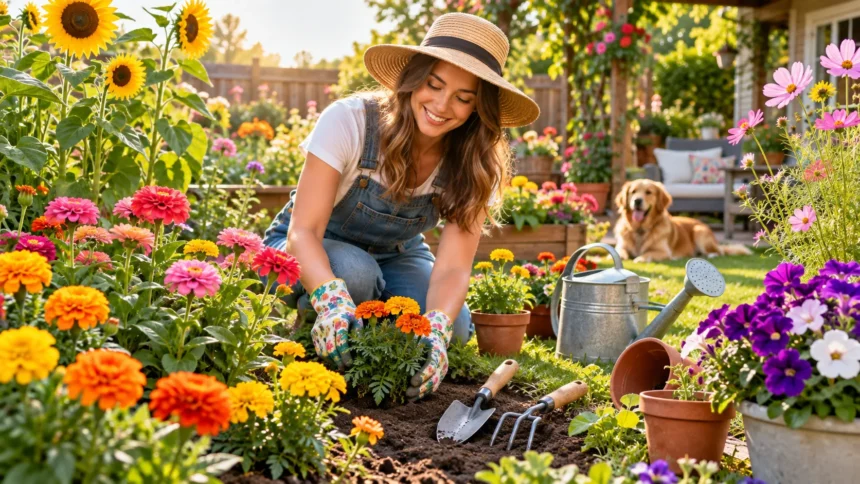
Why Beginners Should Start With Easy-to-Grow Flowers
Starting a flower garden can feel intimidating when you are unfamiliar with soil, watering schedules, sunlight requirements, and plant care. Choosing forgiving flowers makes the learning process much easier because these plants can tolerate small mistakes while still producing attractive blooms. Beginners can gain confidence without needing advanced gardening skills, expensive tools, or complicated maintenance routines.
Easy flowers also allow new gardeners to understand how plants respond to sunlight, water, weather, and seasonal changes. Watching simple varieties grow from seeds or young plants provides valuable experience that can later be applied to more demanding species. Many beginner-friendly flowers germinate quickly and bloom generously, making the gardening process feel rewarding from the start.
Another advantage is that low-maintenance flowers can fit into many spaces, including garden beds, borders, balconies, patios, and containers. You do not need a large backyard to create a colorful display. With the right plant choices, even a small sunny corner can become an attractive flower garden that requires only basic care throughout the growing season.
Marigolds Are One of the Easiest Flowers to Grow
Marigolds are a popular choice for beginner gardeners because they grow quickly and tolerate a wide range of conditions. Their bright yellow, orange, and reddish flowers add strong color to borders and containers. They generally prefer full sun and well-draining soil, but they can handle occasional missed watering better than many more delicate flowering plants.
You can start marigolds from seeds directly in the garden once the weather becomes warm. The seeds usually germinate reliably when the soil remains lightly moist during the early stages. Once established, the plants require limited attention beyond occasional watering and removing faded flowers to encourage continued blooming throughout the season.
Marigolds are also useful around vegetable gardens because their compact growth and strong color fit well between productive plants. If you are combining flowers with edible crops, thoughtful garden layout ideas can help organize beds while leaving enough room for sunlight, airflow, and easy access. This approach can make a beginner garden both attractive and practical.
Zinnias Provide Fast Color With Minimal Effort
Zinnias are excellent for beginners who want quick results and bold summer color. These annual flowers are available in shades of red, pink, orange, purple, yellow, and white, with varieties ranging from compact plants to tall stems suitable for cutting. They perform best in sunny locations where they receive several hours of direct light each day.
Seeds can usually be planted directly into warm garden soil after the risk of cold weather has passed. Zinnias prefer well-draining soil and moderate watering, but they do not require complicated feeding schedules. Avoid keeping the foliage constantly wet because good airflow around the plants helps maintain healthier leaves as the garden becomes fuller.
Regularly removing spent flowers encourages many zinnia varieties to produce more blooms. Cutting flowers for indoor arrangements can have a similar effect by encouraging new growth. Their fast development, bright appearance, and straightforward care make zinnias particularly satisfying for anyone creating a flower garden for the first time.
Sunflowers Are Simple and Rewarding for Beginners
Sunflowers are among the most recognizable and enjoyable flowers to grow from seed. Their large blooms and rapid growth make them especially appealing to children and new gardeners who want to see noticeable progress. Depending on the variety, sunflower plants can remain relatively compact or grow several feet tall during the growing season.
Choose a sunny location with enough space for the mature height and width of the plants. Sow seeds directly into the soil once conditions are warm, placing them at the spacing recommended for the particular variety. Taller sunflowers may benefit from some protection from strong winds, especially when planted in exposed areas or loose soil.
Water young plants consistently while their roots become established, then adjust according to weather and soil moisture. Sunflowers generally develop deep root systems that help them tolerate short dry periods once mature. Their cheerful blooms can also attract pollinators, making them useful additions to gardens designed to support bees and other beneficial visitors.
Cosmos Grow Well With Very Little Attention
Cosmos are light, airy flowers that create a relaxed appearance in borders and cottage-style gardens. They produce daisy-like blooms in colors such as pink, white, red, and orange depending on the variety. These plants are particularly beginner-friendly because they often perform well even in average soil where some more demanding flowers may struggle.
Cosmos prefer full sun and generally do not need excessive fertilizer. In fact, overly rich soil can sometimes encourage lots of leafy growth while reducing the number of flowers. Planting seeds directly outdoors in warm conditions is usually simple, and established plants often tolerate moderate periods of dryness without requiring constant watering.
Removing faded blooms can encourage continued flowering, although many gardeners also leave some seed heads later in the season. Cosmos may self-seed under suitable conditions, meaning new plants can occasionally appear the following year. Their easy care and long flowering period make them useful for gardeners who want color without spending hours maintaining each plant.
Nasturtiums Are Perfect for Beds and Containers
Nasturtiums are easy-growing flowers known for their rounded leaves and brightly colored blooms in shades of yellow, orange, and red. They can grow as compact plants or trailing varieties, making them suitable for garden beds, window boxes, hanging baskets, and containers. Their seeds are relatively large, which makes them particularly easy for beginners to handle and plant.
These flowers generally prefer sunny locations but can tolerate some partial shade. They often perform best in moderately poor soil because overly fertile conditions may result in abundant leaves but fewer flowers. Water young plants regularly while they establish, then allow the top layer of soil to dry slightly between waterings rather than keeping it constantly saturated.
Nasturtiums can add a casual, colorful look around patios, pathways, and vegetable gardens. Their trailing growth is especially useful when you want flowers to spill over container edges or raised beds. Because they are adaptable and require little specialized care, they are an excellent choice for beginners experimenting with both container and traditional garden planting.
Calendula Is Hardy and Beginner-Friendly
Calendula produces cheerful yellow and orange flowers that brighten garden beds during cooler parts of the growing season. It is commonly called pot marigold, although it is different from the traditional marigold varieties found in many summer gardens. Calendula is relatively easy to start from seed and usually develops quickly when planted under suitable conditions.
Seeds can be sown directly into prepared soil, making calendula a practical option for gardeners who do not want to start plants indoors. It prefers sunny conditions but may appreciate some afternoon shade in very hot climates. Regular watering helps young plants establish, although mature calendula generally does not require complicated maintenance or constant attention.
Removing faded flowers can extend the blooming period and keep the plants looking tidy. Some gardeners allow a few flower heads to produce seed toward the end of the season for future planting. Calendula’s easy germination and attractive flowers make it an excellent plant for learning basic skills such as sowing, thinning, watering, and deadheading.
Sweet Alyssum Is Ideal for Borders and Small Spaces
Sweet alyssum is a compact flowering plant that produces clusters of tiny white, pink, or purple blooms. Its low-growing habit makes it particularly useful along garden edges, pathways, raised beds, and container borders. The plant can soften hard edges and fill gaps between larger flowers without taking up much space or requiring extensive maintenance.
Alyssum grows best in well-draining soil with plenty of sunlight, although it can tolerate some partial shade. Seeds are small and should be scattered carefully across the soil surface rather than planted deeply. Keeping the soil lightly moist during germination helps establish the plants, after which they can handle relatively simple routine care.
One of the appealing features of sweet alyssum is its long flowering period under favorable conditions. Light trimming can encourage fresh growth when plants begin looking tired or leggy. Because the flowers are small and abundant, they create a gentle carpet of color that works well for beginners who want polished-looking borders with minimal effort.
Pansies Add Color During Cooler Weather
Pansies are excellent beginner flowers for seasons when summer-loving plants may struggle. They are available in a wide range of colors, including purple, blue, yellow, orange, white, and multicolored combinations. Their distinctive blooms work well in containers, borders, window boxes, and small garden beds where they can be viewed closely.
These flowers generally prefer cooler temperatures and can tolerate conditions that would slow many warm-season annuals. Depending on your climate, pansies may be planted during spring, autumn, or even mild winter periods. They appreciate consistently moist but well-drained soil, so avoid allowing containers to stay waterlogged after heavy rain or frequent watering.
Removing old flowers helps encourage new buds and keeps the plants looking neat. During periods of intense heat, pansies may slow down or decline because they naturally prefer cooler conditions. Beginners can use them to extend garden color beyond the traditional summer season while learning how different flowers respond to changing temperatures.
Petunias Are Reliable for Containers and Garden Beds
Petunias are widely used by beginner gardeners because they produce abundant flowers and adapt well to containers, hanging baskets, and sunny garden beds. They come in many colors and patterns, from simple solid shades to striped and multicolored varieties. Their long flowering season makes them especially useful when you want consistent color around patios or entrances.
Most petunias perform best with plenty of direct sunlight and regular watering. Container-grown plants may dry out more quickly than those planted in the ground, particularly during hot weather. Checking soil moisture before watering helps avoid both excessive dryness and constantly waterlogged conditions that can stress roots.
Some modern petunia varieties are self-cleaning, while others benefit from removing spent flowers. Occasional feeding may help container plants continue producing blooms during a long growing season. Beginners who purchase young petunia plants rather than starting from seed can create an impressive flower display almost immediately with relatively little setup or gardening experience.
How to Choose the Right Location for Beginner Flowers
Sunlight is one of the most important factors when choosing where to plant flowers. Many easy annuals, including zinnias, sunflowers, cosmos, and marigolds, perform best with at least several hours of direct sunlight each day. Observe your garden before planting so you know which areas receive full sun, partial shade, or mostly shade.
Good drainage is equally important because most common garden flowers dislike sitting in constantly wet soil. After heavy rain or watering, watch whether water disappears reasonably quickly or remains pooled around the planting area. Raised beds and containers can be useful when natural garden soil drains poorly because you have greater control over the growing medium.
Accessibility should also influence your choice of location. Place flowers where you can easily reach them for watering, deadheading, and occasional inspection. Beginners are more likely to notice problems early when plants are close to frequently used areas rather than hidden in a distant corner that may be forgotten for days at a time.
Basic Care Tips for First-Time Flower Gardeners
Watering correctly is one of the most important beginner gardening skills. Instead of giving plants tiny amounts of water several times each day, aim to water deeply enough to reach the root zone when the soil begins drying. The exact frequency will depend on temperature, rainfall, soil type, plant size, and whether flowers are growing in containers.
Avoid assuming that more fertilizer always produces more flowers. Excessive feeding can encourage leafy growth, damage roots, or make certain plants weaker. Start with healthy soil and follow product directions carefully if fertilizer is needed, especially when growing low-maintenance flowers that often perform well without aggressive feeding schedules.
Spend a few minutes checking your garden regularly rather than waiting for problems to become obvious. Look for wilting, damaged leaves, overcrowding, weeds, or flowers that need deadheading. Small maintenance sessions are easier than major cleanup days and help beginners develop a better understanding of how healthy plants normally look throughout different stages of growth.
Conclusion
Growing flowers does not need to be complicated, even if you have never gardened before. Marigolds, zinnias, sunflowers, cosmos, nasturtiums, calendula, alyssum, pansies, and petunias are all approachable options that provide attractive results without requiring advanced skills. Choosing forgiving plants allows you to learn while still enjoying plenty of color.
Start with a small number of varieties and learn their basic sunlight, soil, and watering needs. Trying to manage dozens of unfamiliar plants at once can make a new garden feel unnecessarily difficult. A simple bed or a few containers can teach you valuable gardening habits before you gradually expand into more flowers and larger planting areas.
The best beginner garden is one that encourages you to keep growing plants and learning from each season. Some flowers will perform better than others depending on your climate and conditions, and that is part of gardening. With regular observation, sensible watering, and easy plant choices, you can create a colorful garden while steadily building confidence and experience.
FAQs
What is the easiest flower to grow for beginners?
Marigolds, zinnias, cosmos, and sunflowers are among the easiest flowers for beginners. They generally germinate reliably, grow quickly, and require relatively simple care when provided with suitable sunlight and well-draining soil.
What flowers grow easily from seed?
Zinnias, sunflowers, cosmos, nasturtiums, calendula, and marigolds can all be grown relatively easily from seed. Many can be planted directly into garden soil once temperatures are appropriate for the variety.
What flowers are best for beginners in pots?
Petunias, pansies, nasturtiums, marigolds, and sweet alyssum work well in containers. Choose pots with drainage holes and monitor moisture regularly because container soil usually dries faster than garden beds.
Do beginner flowers need fertilizer?
Many easy flowers can grow successfully in reasonably healthy soil without heavy fertilization. If you use fertilizer, follow the recommended amount because excessive feeding can sometimes produce leafy growth instead of more flowers.
How often should beginner gardeners water flowers?
Watering frequency depends on weather, soil, plant type, and container size. Check the soil regularly and water when it begins drying rather than following a rigid daily schedule regardless of actual moisture conditions.