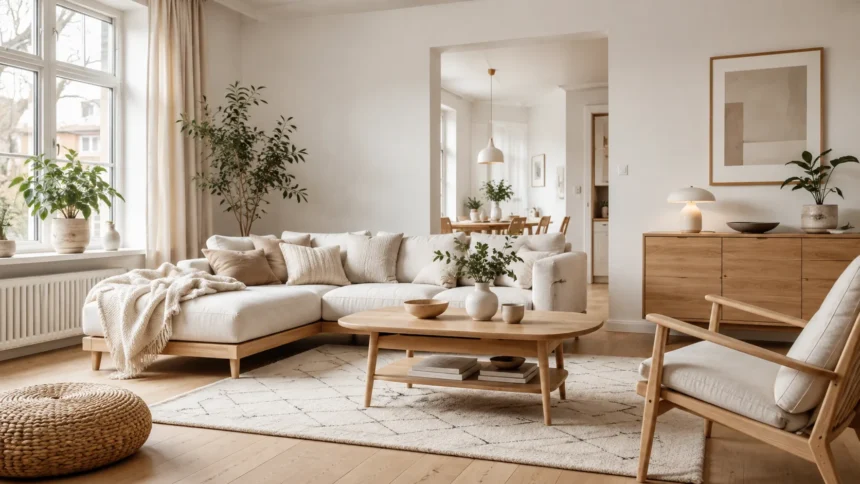
What Is Scandinavian Interior Design? Style, Colors & Ideas
Scandinavian interior design is known for creating homes that feel bright, calm, practical, and welcoming without relying on excessive decoration. The style combines clean lines, natural materials, functional furniture, and soft neutral colors to create spaces that are visually simple but never cold. It is especially popular among people who want their homes to feel uncluttered while still maintaining warmth and personality.
The design philosophy developed across Nordic countries such as Sweden, Denmark, Norway, Finland, and Iceland, where long winters and limited daylight helped shape an appreciation for bright interiors and comfortable living spaces. Instead of filling rooms with decorative objects, Scandinavian design focuses on thoughtful choices that improve both appearance and everyday functionality.
One of the biggest misconceptions is that Scandinavian interiors are simply white rooms with minimal furniture. While light colors are common, authentic Nordic design often includes warm wood tones, layered textiles, soft lighting, handcrafted objects, plants, and subtle color. These elements prevent minimalist spaces from feeling sterile or unfinished.
Understanding what Scandinavian interior design is can help you create a home that feels organized, comfortable, and timeless rather than overly styled. Whether you are decorating a small apartment, modern living room, bedroom, kitchen, or entire house, the Scandinavian approach offers practical ideas that can work across different budgets and lifestyles.
What Is Scandinavian Interior Design?
Scandinavian interior design is a design movement centered on simplicity, functionality, comfort, and connection with nature. Rooms usually contain only items that have a clear purpose or meaningful visual value. Furniture tends to feature clean silhouettes, practical proportions, and minimal ornamentation, allowing the overall space to feel open and easy to navigate.
The style places considerable importance on natural light. Large windows, pale walls, reflective surfaces, and lightweight window treatments are often used to maximize daylight, particularly in regions where winter days can be short. This emphasis on brightness is one reason Scandinavian homes often appear airy even when the actual floor plan is relatively compact.
Natural materials are equally important. Light-colored woods such as oak, ash, pine, and birch are commonly used for flooring, furniture, cabinetry, and decorative details. Wool, linen, cotton, leather, stone, ceramic, and woven fibers add texture while reinforcing the connection between Scandinavian interiors and the natural environment.
Above all, the style is designed around everyday living. A Scandinavian room should not only photograph beautifully; it should also feel practical, comfortable, and easy to maintain. Storage, circulation, furniture placement, lighting, and durability matter just as much as color palettes and decorative accessories.
Where Did Scandinavian Interior Design Come From?
Scandinavian design developed gradually across Northern Europe, influenced by geography, climate, craftsmanship, and changing ideas about modern living. Nordic designers became known for creating furniture and household objects that combined beautiful proportions with usefulness rather than treating appearance and function as completely separate concerns.
During the twentieth century, Scandinavian modernism gained international attention through furniture, architecture, textiles, lighting, and product design. Designers from Denmark, Sweden, Finland, and neighboring countries helped popularize forms that were simpler than heavily ornamented traditional European styles while still retaining warmth through craftsmanship and natural materials.
Climate also played an important role in shaping the interior aesthetic. Long, dark winters encouraged people to create homes that captured available daylight and felt inviting during extended periods indoors. Pale surfaces, warm lighting, soft textiles, wood, and comfortable furniture naturally became important elements within the home environment.
These historical influences remain visible in contemporary Scandinavian interiors, although the style continues to evolve. Modern versions may include darker colors, sustainable materials, vintage furniture, sculptural lighting, and contemporary technology while preserving the core principles of simplicity, functionality, comfort, and thoughtful use of natural materials.
Key Characteristics of Scandinavian Interior Design
The first defining characteristic is simplicity. Scandinavian rooms generally avoid unnecessary visual clutter, overly ornate furniture, and excessive decoration. This does not mean a home must look empty. Instead, each item is given enough space to be appreciated, creating a sense of order that feels intentional rather than restrictive.
Functionality is another major principle. Furniture and storage are chosen because they support the way people actually live. A beautiful chair should also be comfortable, a coffee table should suit the proportions of the room, and storage should make everyday belongings easier to organize instead of simply hiding them behind decorative surfaces.
Natural materials help soften the clean aesthetic. Wood floors, woven rugs, linen curtains, wool throws, ceramic objects, and leather details introduce visual warmth and tactile interest. These textures become especially important when the overall color palette is restrained because they prevent the room from appearing flat or overly uniform.
Comfort completes the Scandinavian look. Soft cushions, warm blankets, layered lighting, candles, books, and personal objects create an atmosphere that feels lived in. The goal is not perfection but balance: enough simplicity to make the home peaceful and enough warmth to make people genuinely want to spend time there.
Scandinavian Interior Design Color Palette
White remains one of the most recognizable colors in Scandinavian interiors because it reflects light and creates a clean backdrop. Warm whites, creamy off-whites, and subtle ivory tones are often more inviting than extremely bright clinical white, particularly in living rooms and bedrooms where comfort is important.
Soft gray, beige, taupe, sand, and greige are also common. These Scandinavian neutral colors create quiet visual transitions and allow natural materials to become more noticeable. A beige wall beside pale oak furniture, for example, can feel warm and layered even though both elements remain relatively understated.
Color is not completely absent from Scandinavian design. Muted blue, sage green, dusty pink, rust, ochre, terracotta, charcoal, and deep forest tones can appear through textiles, furniture, artwork, and accessories. The key is using color deliberately rather than filling every surface with competing shades.
Black accents are often introduced for contrast. A black lamp, window frame, chair leg, picture frame, or small decorative object can visually anchor a pale room. Using these darker accents sparingly helps create definition without taking away from the bright and relaxed character associated with Nordic interiors.
Why Natural Light Matters So Much
Natural light is one of the most important elements in Scandinavian home design. Rooms are typically arranged to make windows feel open and unobstructed rather than covered by heavy curtains or oversized furniture. When possible, furniture placement allows daylight to travel deeper into the interior.
Walls and ceilings are often kept light because pale surfaces reflect daylight more effectively than very dark finishes. Mirrors can also help distribute light and create the impression of greater openness. These strategies are particularly useful in small apartments, narrow rooms, or homes where windows are limited.
Window treatments tend to be simple. Sheer curtains, lightweight linen panels, roller shades, or minimal blinds can provide privacy without blocking too much daylight. The exact choice depends on climate and privacy needs, but the overall intention is usually to preserve a bright connection with the outdoors.
Artificial lighting becomes equally important after sunset. Scandinavian interiors commonly use several smaller light sources instead of relying only on one strong ceiling fixture. Floor lamps, table lamps, wall lights, pendants, and candles help create softer pools of illumination and make the room feel comfortable during darker evenings.
The Role of Wood in Scandinavian Interiors
Wood is one of the materials most strongly associated with Scandinavian design. Pale species such as oak, birch, ash, and pine work particularly well because they introduce warmth without making a room visually heavy. Wood can appear in flooring, dining tables, chairs, cabinets, shelving, wall details, and decorative accessories.
Natural or lightly finished wood is often preferred over highly glossy surfaces. Visible grain and subtle variations give furniture a handcrafted quality and help balance more modern elements. Even contemporary Scandinavian spaces usually benefit from some natural material that prevents the room from feeling overly polished.
Wood tones do not necessarily need to match exactly. A room can combine pale oak flooring with a slightly darker dining table or walnut accent chair when the overall palette remains coordinated. Small variations can create depth and make an interior feel collected rather than purchased as one matching furniture set.
If replacing flooring or furniture is not practical, wood can be introduced through smaller details. A simple stool, wooden tray, picture frame, side table, cutting board, or decorative bowl can add warmth without requiring a large renovation budget.
Scandinavian Furniture: Simple but Highly Functional
Scandinavian furniture design is recognized for clean shapes, comfortable proportions, and an emphasis on craftsmanship. Chairs, tables, sofas, and storage pieces often have slim profiles and visible legs, helping rooms appear lighter and more spacious than furniture with large, heavy bases.
Many iconic Nordic furniture pieces combine curved forms with minimal detailing. Rounded chair backs, tapered wooden legs, simple upholstered seating, and sculptural tables add character without excessive decoration. These subtle shapes allow furniture to become visually interesting while maintaining the overall simplicity of the interior.
Function matters just as much as appearance. In smaller homes, a bench might include hidden storage, a dining table may extend for guests, or shelving may serve both organizational and decorative purposes. Scandinavian design often uses furniture intelligently because efficient use of space supports the broader goal of comfortable everyday living.
Avoid overcrowding when selecting furniture. Leaving some empty space around larger pieces makes circulation easier and allows individual forms to stand out. One well-proportioned sofa and a few carefully chosen chairs usually create a stronger Scandinavian look than filling the room with unnecessary seating and decorative furniture.
Scandinavian Minimalism Without Making a Home Feel Empty
Minimalism is closely connected with Scandinavian design, but the two ideas are not identical. Scandinavian interiors generally value restraint, yet they also emphasize warmth, comfort, and personal connection. The goal is not to remove everything from a room but to eliminate unnecessary clutter so meaningful objects become more noticeable.
Open surfaces are often kept relatively clear. Instead of placing numerous decorative items on a coffee table, you might choose one ceramic bowl, a small stack of books, or a vase with simple greenery. Fewer objects create visual breathing room and make cleaning and organization easier.
Personal belongings still belong in Scandinavian homes. Artwork, photographs, books, travel objects, handmade ceramics, and family heirlooms can add character when displayed thoughtfully. The key is editing rather than removing personality altogether.
Storage plays an important role in maintaining this balance. Closed cabinets, baskets, drawers, shelving systems, and multifunctional furniture can keep everyday necessities accessible without creating constant visual clutter. Good Scandinavian interiors often appear effortless because practical storage has been planned carefully behind the scenes.
What Is Hygge and How Does It Fit the Style?
The Danish concept of hygge is often associated with Scandinavian interiors because it emphasizes comfort, warmth, togetherness, and enjoyment of simple everyday moments. While hygge is broader than interior design, the home environment can help support that feeling through lighting, textures, furniture, and atmosphere.
Soft furnishings are one of the easiest ways to introduce hygge. Wool blankets, textured cushions, comfortable rugs, linen bedding, and upholstered seating create surfaces that invite people to relax. These elements are especially effective during colder months but can be adapted with lighter fabrics during summer.
Lighting also contributes strongly to a cozy atmosphere. Warm table lamps, candles, wall sconces, and pendant lights create a softer environment than harsh overhead lighting alone. Placing several light sources throughout a room allows the mood to change depending on whether you are reading, dining, entertaining, or relaxing.
Hygge also reminds us that Scandinavian design is not purely visual. A beautifully styled room that feels uncomfortable would miss an important part of the philosophy. Spaces should support conversation, rest, meals, hobbies, and everyday routines rather than existing only to look impressive.
Textures That Make Scandinavian Rooms Feel Warm
Texture prevents a neutral Scandinavian interior from becoming boring. When walls, furniture, flooring, and accessories use similar colors, differences in material become especially noticeable. A chunky wool throw beside smooth wood, woven linen, matte ceramic, and soft upholstery can create depth without introducing a complicated color scheme.
Rugs are particularly useful for adding softness. A simple wool rug, flat-weave design, or natural-fiber option can define a seating area and make hard flooring feel more comfortable. In bedrooms, rugs placed beside or partially beneath the bed add warmth without overwhelming the room.
Curtains and bedding also provide opportunities for layering. Washed linen, cotton, wool, and other natural-looking fabrics complement the relaxed character of Nordic interiors. Slight wrinkles and visible texture can actually enhance the look because Scandinavian design does not require every surface to appear perfectly polished.
Balance is important when layering materials. Too many heavy textures can make a room feel cluttered, while too few may make it feel sterile. Choose a handful of complementary surfaces and repeat them subtly throughout the space for a more cohesive appearance.
How to Design a Scandinavian Living Room
Begin with a light, neutral foundation. Warm white or soft beige walls create an adaptable backdrop, while wood flooring or a simple neutral rug adds warmth. If your existing flooring is dark, lighter furniture, textiles, and wall colors can still create the airy character associated with a Scandinavian living room.
Choose a comfortable sofa with a clean silhouette rather than excessive tufting or ornate details. Add one or two complementary chairs, a simple coffee table, and practical side tables. Furniture should fit the room comfortably without blocking windows, doorways, or natural circulation routes.
Introduce warmth through textiles and lighting. A wool throw, textured cushions, a rug, floor lamp, and table lamp can transform a minimalist arrangement into a welcoming seating area. Keep accessories relatively limited so that each object contributes something meaningful to the composition.
Finish with natural and personal elements. A leafy plant, simple framed artwork, books, ceramics, or a wooden bowl can make the room feel lived in. Avoid trying to copy a showroom perfectly; authentic Scandinavian style works best when simplicity is combined with the personality of the people using the space.
Creating a Scandinavian Bedroom
A Scandinavian bedroom should feel restful rather than visually busy. Begin with a calm palette of warm white, beige, gray, soft green, or muted blue. A simple wooden or upholstered bed frame can become the main feature without requiring an oversized decorative headboard.
Layer bedding to create comfort. Cotton or linen sheets, a simple duvet, a textured throw, and a few pillows can create an inviting bed while keeping the overall look restrained. Avoid adding so many cushions and accessories that making the bed becomes an inconvenient daily task.
Bedside furniture should remain practical and visually light. Small wooden tables, floating shelves, or compact cabinets work well, particularly in smaller bedrooms. Warm bedside lamps provide softer illumination than bright overhead lighting and help support a relaxing evening atmosphere.
Keep decorative elements selective. One large artwork, a plant, a ceramic vase, or a few personal objects may be enough. The bedroom should feel visually quiet, giving the mind fewer distractions and reinforcing the Scandinavian preference for simple, purposeful surroundings.
Scandinavian Kitchen Design Ideas
Scandinavian kitchens combine clean appearance with strong functionality. Cabinet fronts are often simple and flat or subtly detailed, with colors ranging from white and warm gray to pale wood or muted green. The overall layout prioritizes easy movement and practical storage rather than decorative complexity.
Wood is commonly introduced through flooring, open shelving, dining furniture, cutting boards, or worktops. These warmer elements help balance white cabinets, stone surfaces, and modern appliances. Natural wood can make even a highly contemporary kitchen feel less industrial and more welcoming.
Open shelving may be used selectively to display attractive everyday items such as ceramics, glassware, cookware, or wooden utensils. However, Scandinavian kitchens are not necessarily filled with exposed storage. Closed cabinets are equally valuable because they help keep countertops visually clean and organized.
Lighting should support both cooking and atmosphere. Pendant lights over an island or dining table can become understated focal points, while task lighting beneath cabinets improves functionality. Combining practical lighting with softer ambient sources allows the kitchen to feel comfortable after meal preparation is finished.
Scandinavian Design for Small Spaces
Scandinavian style works especially well in small homes because it naturally emphasizes light, functional furniture, and uncluttered surfaces. Begin by choosing pieces that fit the room instead of buying oversized furniture simply because you like its appearance in a larger showroom.
Furniture with visible legs can make the floor feel more open, creating the impression of additional space. Wall-mounted shelves, floating cabinets, narrow consoles, and compact dining tables can provide function without consuming unnecessary floor area. Multifunctional furniture is particularly useful in apartments and studio spaces.
Use vertical storage when floor space is limited. Tall shelving, wall hooks, cabinets, and organized entryway storage can keep possessions accessible without crowding the room. Keeping everyday clutter controlled often has a greater impact on perceived spaciousness than choosing any particular paint color.
Do not assume a small room must contain only tiny furniture. One appropriately sized sofa or dining table can provide a stronger anchor than several undersized pieces. Scandinavian interiors feel calm partly because furniture arrangements are deliberate rather than packed tightly into every available corner.
Scandinavian vs. Minimalist Interior Design
Scandinavian and minimalist interiors share a preference for clean lines, functional spaces, and limited clutter, which is why they are often confused. However, Scandinavian design generally feels warmer and more tactile due to its frequent use of wood, textiles, natural materials, and comfortable decorative elements.
Strict minimalist interiors may emphasize reduction more aggressively, sometimes using hard surfaces, monochromatic palettes, and very limited decoration. Scandinavian rooms tend to allow more softness through blankets, rugs, artwork, plants, books, ceramics, and subtle patterns while still maintaining visual simplicity.
The color palettes can also differ. Minimalist spaces may use stark black-and-white combinations, while Scandinavian interiors often favor warm whites, beige, pale gray, muted colors, and natural wood tones. These warmer shades help create the relaxed atmosphere strongly associated with Nordic homes.
You can easily combine both approaches. Use minimalist principles to reduce clutter and unnecessary furniture, then add Scandinavian materials and textures to make the room more comfortable. The result can feel modern and organized without becoming cold or impersonal.
Scandinavian vs. Japandi Interior Design
Japandi design combines elements of Scandinavian and Japanese aesthetics, so the styles naturally share several characteristics. Both value simplicity, craftsmanship, functional furniture, natural materials, uncluttered spaces, and a strong connection with nature.
One major difference is the typical color palette. Scandinavian interiors often lean toward pale wood, white, beige, and soft colors, while Japandi spaces frequently introduce deeper woods, charcoal, earthy browns, clay shades, and more pronounced dark accents.
Furniture in Japandi interiors may also sit lower to the ground and feature stronger Japanese influences in proportion and construction. Scandinavian furniture often has a slightly lighter visual character with tapered legs, pale woods, and mid-century modern influences.
Both styles can work together beautifully. If you enjoy Scandinavian brightness but prefer richer colors and a more grounded atmosphere, Japandi may provide a useful middle ground. The shared focus on quality and restraint makes the two aesthetics relatively easy to blend.
Common Scandinavian Interior Design Mistakes
One common mistake is using too much bright white. White can create a fresh foundation, but an entirely white room without wood, texture, contrast, or warm lighting may feel clinical. Warm neutrals and natural materials can soften the space without sacrificing brightness.
Another mistake is buying decorative items simply because they look “Scandinavian.” Filling shelves with mass-produced neutral accessories can create more clutter rather than authenticity. Scandinavian design works best when objects are useful, meaningful, handcrafted, or carefully chosen.
Over-minimalizing is another problem. Removing every book, photograph, textile, and decorative object may produce an empty room rather than a welcoming Nordic home. Comfort and personality are essential components of the style, so leave room for possessions that genuinely contribute to daily life.
Finally, avoid copying trends without considering your own lifestyle. A completely open kitchen shelf may look attractive online but become frustrating if you dislike dusting dishes. Scandinavian design prioritizes function, so your version of the style should make your home easier to use rather than harder to maintain.
How to Get the Scandinavian Look on a Budget
You do not need designer furniture to create a Scandinavian-inspired home. Begin by decluttering and rearranging what you already own. Improving furniture placement, clearing crowded surfaces, and allowing more light into the room can significantly change the atmosphere without costing anything.
Paint is another relatively affordable tool. A warm white, light beige, or soft gray can create a fresh neutral backdrop that works with many existing furniture styles. Rather than replacing every piece, consider whether older furniture can be refinished, simplified, or integrated with more modern accessories.
Secondhand furniture can be particularly useful because Scandinavian style works well with simple vintage wooden pieces. Look for solid wood tables, chairs, stools, shelves, and cabinets with clean lines. Minor imperfections can often add character, especially when the underlying materials are good quality.
Spend selectively on items that affect comfort and atmosphere. A good rug, warm lamp, comfortable bedding, or quality curtains may contribute more to the room than numerous small decorations. Scandinavian design proves that creating an attractive home is often more about editing and thoughtful choices than buying more things.
Is Scandinavian Interior Design Still Popular?
Scandinavian design has lasted much longer than many short-term decorating trends because its core principles are practical. Natural light, comfortable furniture, functional storage, restrained colors, and quality materials remain useful regardless of which decorative trends are currently popular.
The style also adapts easily. Contemporary Scandinavian interiors may incorporate curved furniture, richer wood tones, vintage pieces, bold artwork, sustainable materials, and warmer color palettes. This flexibility allows the design philosophy to evolve without losing its recognizable identity.
Its focus on thoughtful consumption also feels relevant for people who want to buy fewer but better-quality objects. Choosing durable furniture, natural materials, vintage pieces, and multifunctional designs can reduce the pressure to constantly redecorate whenever a new trend appears.
Ultimately, Scandinavian interior design remains appealing because it supports real everyday life. It creates homes that feel bright without being sterile, minimal without being empty, and stylish without requiring constant maintenance. Those qualities give the style a timelessness that goes beyond temporary interior-design trends.
Bringing Scandinavian Interior Design Into Your Home
Start by thinking about how you want the room to function before choosing decorative details. Identify unnecessary furniture, improve circulation, maximize daylight, and create practical storage. These foundational decisions will usually have a greater visual impact than immediately buying accessories associated with Scandinavian style.
Next, create a warm neutral palette and introduce natural materials. Wood, linen, cotton, wool, ceramic, stone, leather, and greenery can add enough texture to keep pale rooms interesting. You do not need to use every material; choosing a few and repeating them consistently often creates a stronger result.
Use decoration selectively and allow some empty space to remain. Artwork, plants, books, candles, and personal objects can provide character without filling every wall or surface. The goal is to create a home where the eye can rest while still seeing evidence of the people who live there.
The best Scandinavian interiors are not defined by a strict checklist. They feel easy to live in because beauty, function, and comfort support one another. By prioritizing natural light, thoughtful furniture, warm textures, uncluttered organization, and meaningful details, you can create a Nordic-inspired home that feels both timeless and personal.
Frequently Asked Questions
What defines Scandinavian interior design?
Scandinavian interior design is defined by simplicity, functionality, natural materials, neutral colors, natural light, and comfortable furnishings. It combines minimalism with warmth rather than creating completely empty spaces.
What colors are used in Scandinavian interior design?
Warm white, beige, soft gray, greige, and light wood tones are common. Muted green, blue, rust, ochre, and black accents may also be used to create depth and contrast.
What type of furniture is Scandinavian?
Scandinavian furniture usually has clean lines, practical proportions, simple shapes, and quality craftsmanship. Light wood, tapered legs, curved forms, and comfortable upholstery are especially common.
Is Scandinavian interior design the same as minimalism?
No. The styles share simplicity and limited clutter, but Scandinavian design generally uses more warm wood, textiles, natural materials, and cozy elements to create a comfortable, lived-in atmosphere.
How can I make my home look Scandinavian?
Use a light neutral palette, maximize natural light, reduce clutter, choose functional furniture, add natural wood, and layer simple textiles. Finish with plants, warm lighting, and a few meaningful decorative objects.