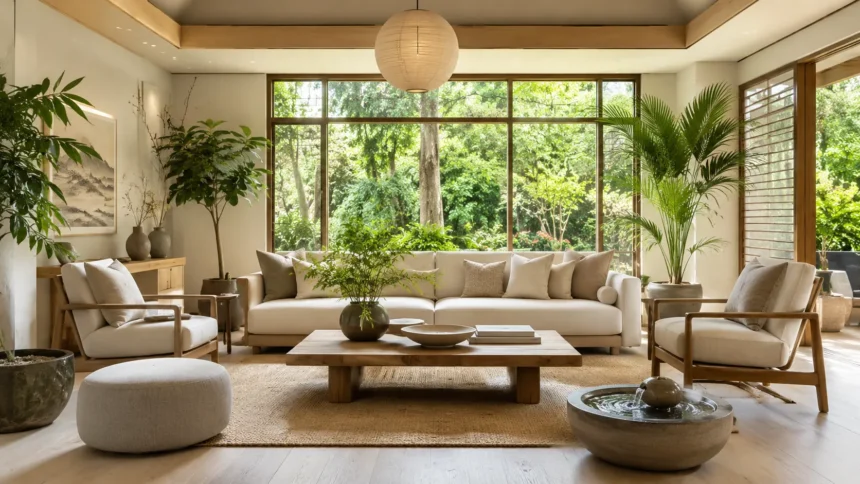
What Is Feng Shui Interior Design? Principles, Layout & Ideas
Feng shui interior design is an approach to arranging a home so that it feels balanced, comfortable, and supportive of everyday life. Rooted in traditional Chinese philosophy, feng shui focuses on the relationship between people and their surroundings. It considers how furniture placement, natural light, color, materials, and room organization can influence the overall feeling of a space.
At the center of feng shui is the idea of qi, often translated as life energy or vital energy. In interior design, the goal is to encourage this energy to move smoothly rather than becoming blocked or rushing too quickly through a room. This is why clutter, awkward furniture layouts, and blocked doorways are frequently discouraged in feng shui-inspired spaces.
Feng shui does not require you to decorate your entire home in a particular visual style. A modern apartment, Scandinavian living room, traditional house, or minimalist bedroom can all incorporate feng shui principles. The focus is less about following a specific aesthetic and more about creating harmony between layout, function, natural elements, and the people using the space.
Understanding what feng shui interior design is can give you a different way to think about your home. Instead of asking only whether a room looks attractive, feng shui encourages you to consider whether it feels easy to move through, whether furniture supports its purpose, and whether the space creates the emotional atmosphere you want.
What Is Feng Shui Interior Design?
Feng shui interior design applies traditional feng shui concepts to the layout and decoration of indoor spaces. The phrase “feng shui” is commonly translated as “wind and water,” reflecting the traditional idea of living in harmony with natural forces. In interiors, this philosophy is interpreted through careful organization, placement, balance, and environmental awareness.
One major principle is that rooms should support the activities taking place within them. A bedroom should encourage rest, a home office should support concentration, and a living room should make conversation and relaxation feel natural. Furniture placement is therefore considered not only for appearance but also for how people experience the room physically and emotionally.
Feng shui also emphasizes a balance between different visual and material qualities. Hard and soft surfaces, light and dark colors, open and enclosed areas, and natural and manufactured materials can all be considered together. This creates interiors that feel layered rather than dominated by one extreme.
While traditional feng shui includes complex systems and schools of thought, many modern interior applications use simpler principles. These include reducing clutter, improving circulation, increasing natural light, using balanced furniture arrangements, introducing natural materials, and making deliberate choices about color and object placement.
Understanding Qi and Energy Flow in Your Home
Qi in feng shui refers to the energy believed to move through people, spaces, and the natural environment. From an interior design perspective, the concept can be understood practically as the way movement, attention, light, and activity flow through a room. A space with clear pathways often feels easier and more comfortable to navigate.
Furniture that blocks doors, creates narrow passages, or forces people to move awkwardly can make a room feel uncomfortable. Feng shui generally encourages layouts that allow movement to happen smoothly. Entryways, hallways, and central circulation routes are often kept relatively clear so that the home feels more open and welcoming.
Energy flow is also influenced by visual clutter. When every surface is filled with objects, the eye has difficulty finding a place to rest. Removing unnecessary items can create more visual breathing room, making important furniture, artwork, and personal objects easier to appreciate.
The goal is not to create an empty home. Healthy energy flow in feng shui is more about balance than extreme minimalism. A room should contain enough furniture and decoration to feel complete and personal while still allowing people, light, and attention to move naturally through the space.
The Five Elements of Feng Shui Interior Design
One of the most recognizable concepts in feng shui is the five elements: wood, fire, earth, metal, and water. These elements are used symbolically to represent different qualities and types of energy. Interior designers inspired by feng shui may introduce them through color, shape, texture, materials, artwork, and decorative objects.
The wood element is associated with growth, vitality, and upward energy. It can be represented through natural wood, plants, green tones, and vertical shapes. A wooden dining table, indoor tree, or simple green accent can introduce this quality without turning the room into a literal representation of a forest.
Fire is associated with warmth, passion, activity, and visibility. It may appear through red, orange, strong lighting, candles, fireplaces, or triangular shapes. Because fire is visually energetic, it is often used in moderation rather than becoming the dominant element in spaces intended for rest.
Earth represents stability and grounding, metal is connected with clarity and precision, and water is associated with movement and reflection. Stone, ceramics, white and metallic finishes, mirrors, blue and black accents, and flowing shapes can all be used to suggest these qualities. The aim is generally to create balance rather than filling every room equally with all five elements.
What Is the Bagua Map in Feng Shui?
The feng shui bagua map is a traditional tool used to divide a space into areas associated with different aspects of life. Depending on the feng shui school being followed, the bagua may be aligned in different ways. Common categories include relationships, career, family, knowledge, wealth, recognition, creativity, helpful people, and health.
In contemporary interiors, some people use the bagua as a planning framework. For example, they may pay greater attention to lighting, organization, artwork, or symbolic objects in a particular section of the home. The exact interpretation can vary considerably between practitioners and different feng shui traditions.
It is important not to treat the bagua as a rigid decorating formula. Adding a particular color or object to one corner of a room does not guarantee a specific life outcome. Instead, it can function as a reflective tool that helps people think intentionally about how different parts of their home support their priorities.
If you are new to feng shui, focus first on basic layout, cleanliness, light, comfort, and function. These practical changes usually have a stronger immediate impact on how a room feels than trying to master every symbolic detail of the bagua map at once.
Feng Shui Furniture Placement Rules
Furniture placement is one of the most practical parts of feng shui interior design. Large pieces should usually support the main purpose of the room while allowing clear pathways. A sofa should encourage conversation, a bed should feel protected and comfortable, and a desk should support concentration without making the user feel trapped.
A commonly discussed concept is the command position. This generally means placing an important piece of furniture so the person using it can see the main entrance without being directly in line with the doorway. Beds, desks, and sometimes sofas are often positioned with this principle in mind.
The idea behind the command position is partly psychological. Many people feel more comfortable when they can see who is entering a room and have a solid wall behind them. Even without treating the concept symbolically, this type of furniture placement can create a stronger sense of control and stability.
Avoid forcing command-position rules when they make the room function worse. Real homes have windows, doors, radiators, wardrobes, and limited floor space. Good feng shui should work with the architecture of your home rather than creating an impractical layout solely to follow a theoretical rule.
How to Feng Shui Your Living Room
A feng shui living room should feel welcoming, balanced, and easy for people to use together. Begin by arranging seating so that conversation feels natural. Sofas and chairs do not necessarily need to face each other perfectly, but they should create a clear social area rather than pointing every piece of furniture toward a television.
Keep the main walking paths open. Avoid placing large furniture directly in front of doors or creating narrow passages between the sofa and other pieces. A clear route through the room makes the space feel less congested and supports the feng shui idea of smooth energy flow.
Balance hard furniture with softer materials. Cushions, rugs, curtains, throws, plants, and upholstered seating can reduce the visual hardness of tables, cabinets, flooring, and technology. Natural wood and greenery are particularly useful for adding warmth and helping the living room feel connected to nature.
Finish with lighting and meaningful decoration. Instead of filling every surface, choose artwork, books, photographs, ceramics, or personal objects that genuinely contribute to the atmosphere. A living room tends to feel more harmonious when the things inside it have a purpose, emotional value, or visual relationship with the rest of the space.
Feng Shui Bedroom Design for Better Rest
The bedroom receives special attention in feng shui because it is associated with rest, privacy, and restoration. The bed is generally considered the most important piece of furniture, so its location should feel stable and protected. A solid wall behind the headboard can help create this sense of security.
Whenever possible, place the bed where you can see the bedroom door without positioning your feet directly toward it. This interpretation of the command position can make the room feel more comfortable and visually balanced. However, room dimensions and architectural limitations should always be considered.
Keep the area around the bed relatively calm. Excessive clutter, work equipment, piles of clothing, or too many visually stimulating objects can make a bedroom feel busier than necessary. Soft lighting, comfortable bedding, balanced bedside tables, and a restrained color palette can contribute to a more restful environment.
Technology is another consideration. Televisions, laptops, and phones can make a bedroom feel more connected to work and entertainment than sleep. If removing them is unrealistic, reducing their visual presence and creating clear nighttime habits can help maintain a stronger distinction between rest and daytime activity.
Feng Shui Home Office Ideas
A feng shui home office should help you feel focused, supported, and organized. Begin with the desk because it defines the primary working position. Ideally, place it where you can see the entrance to the room without sitting directly in the doorway’s path.
A solid wall behind the chair can help the desk feel anchored. If your office layout requires you to sit with your back toward the entrance, a mirror positioned thoughtfully may allow you to see more of the room. The goal is to reduce the feeling that activity is constantly happening behind you.
Keep the work surface organized enough to support concentration. This does not mean every desk must remain completely empty. A laptop, notebook, lamp, stationery, plant, and a few useful objects can stay visible while paperwork and less frequently used items are stored more intentionally.
Add elements that support the type of work you do. Good task lighting, an ergonomic chair, natural materials, greenery, and meaningful artwork can make a home office feel more comfortable. Feng shui works best here when symbolic ideas are combined with practical decisions about productivity and physical comfort.
Feng Shui Colors and What They Represent
Color plays an important role in feng shui because different shades are associated with the five elements and different emotional qualities. Green and brown are often connected with wood, red and orange with fire, earthy beige with earth, white and gray with metal, and blue or black with water.
You do not need to paint entire rooms according to these associations. Color can be introduced through cushions, rugs, artwork, furniture, ceramics, flowers, or smaller decorative accents. This makes it easier to adjust the atmosphere without committing to an intense color scheme.
The emotional effect of a color also matters more than following a formula blindly. A bright red bedroom might represent fire energy, but it could feel overstimulating to someone who prefers calm surroundings. Soft blue may feel relaxing to one person while appearing cold to another.
Use feng shui colors as a guide rather than an inflexible rulebook. Consider the room’s purpose, amount of daylight, existing materials, and your personal response to color. A successful palette should feel balanced in the actual space rather than simply matching a symbolic chart.
The Role of Clutter in Feng Shui
Clutter is one of the most frequently discussed issues in feng shui because it can interrupt both physical movement and visual calm. Rooms filled with unused furniture, boxes, paperwork, and objects often feel heavier and more difficult to navigate, regardless of which design philosophy is being followed.
Start by focusing on high-impact areas such as the entrance, kitchen counters, bedside tables, and main living spaces. These are locations you interact with frequently, so even small improvements can make the home feel more organized. Avoid trying to declutter an entire house in one exhausting session.
Storage should make daily routines easier rather than simply hiding possessions. Drawers, cabinets, baskets, shelving, hooks, and built-in storage can help give belongings defined places. The easier something is to put away, the more likely the room is to remain organized.
Feng shui does not require you to discard meaningful possessions or live with very few objects. The objective is to remove items that create unnecessary physical or emotional weight while keeping things that are useful, beautiful, or personally significant.
Why the Entrance Matters in Feng Shui
The entrance is sometimes described as the mouth of qi because it is where people and energy enter the home. From a practical design perspective, the entryway also creates the first impression and establishes how easily people can transition between the outside world and the interior.
Keep the main entrance easy to open and move through. Shoes, bags, delivery boxes, or furniture that constantly block the door can make the space feel awkward. A clear path immediately improves both function and the perception of openness.
Good lighting is particularly important. A dark entrance can feel uninviting, while a well-lit one feels more comfortable and easier to navigate. A mirror, lamp, artwork, plant, or simple console can add personality without overwhelming a small entryway.
Organization matters here as well. Hooks, shoe storage, trays for keys, and compact cabinets can reduce everyday clutter. A thoughtfully designed entrance supports one of the broader themes of feng shui: making transitions, movement, and daily routines feel smoother.
Feng Shui and Natural Light
Natural light can make interiors feel more open, energetic, and connected to the outdoors. Feng shui generally values bright, well-ventilated spaces because they support a sense of freshness and movement. Open curtains and blinds whenever privacy and climate allow.
Avoid placing unnecessarily large furniture in front of important windows. If a room receives limited daylight, mirrors and lighter surfaces can help distribute available light more effectively. Artificial lighting should then fill darker areas rather than leaving corners permanently gloomy.
A layered lighting plan works especially well. Combine ceiling fixtures with floor lamps, table lamps, wall lights, and task lighting so that the room can adapt to different activities. Harsh overhead light alone can make a space feel less comfortable during evenings.
Lighting also influences the balance between yin and yang qualities in a room. Bright, active spaces may suit kitchens and work areas, while softer lighting often feels more appropriate in bedrooms and relaxation zones. Matching light levels to the room’s function creates a more natural sense of balance.
Yin and Yang in Interior Design
Yin and yang represent complementary qualities that exist in relation to one another. In interiors, yin might be associated with softness, darkness, quiet, curves, and rest, while yang might be associated with brightness, activity, hard surfaces, and strong visual energy.
A successful space generally benefits from some balance between these qualities. A living room with only hard furniture, bright lighting, and sharp lines may feel overly energetic. Adding a soft rug, curtains, cushions, and warmer lighting can introduce more restful qualities.
The ideal balance changes according to the room. Bedrooms generally benefit from more calming yin characteristics, while kitchens and offices may require greater yang energy to support activity and concentration. Neither side is considered inherently better; the relationship between them is what matters.
You can apply this principle without using any spiritual terminology. Simply ask whether a room feels too harsh, too dark, too busy, or too empty. Then introduce contrasting qualities until the space feels more comfortable and visually complete.
Plants in Feng Shui Interior Design
Plants are commonly used in feng shui because they represent the wood element and introduce natural life into interior spaces. Healthy greenery can soften architectural lines, add color, and create visual connections with the natural world.
Position plants where they can thrive rather than placing them according to symbolism alone. A plant struggling in a dark corner is unlikely to improve the appearance or atmosphere of the room. Light requirements, humidity, maintenance, and available space should guide plant selection.
Large leafy plants can fill empty corners, while smaller plants work well on shelves, desks, and side tables. Avoid crowding every room with greenery because too many plants can create visual clutter and increase maintenance demands.
Artificial plants can provide a similar visual effect when natural plants are impractical, although traditional feng shui practitioners may prefer living greenery. From an interior design perspective, the most important factor is whether the addition makes the room feel fresher, more balanced, and more intentional.
Mirrors and Feng Shui: Where Should They Go?
Mirrors are powerful interior design tools because they reflect light and visually expand space. In feng shui, they are also associated with the water element and are sometimes described as tools for redirecting or expanding energy.
Position mirrors where they reflect something pleasant or useful whenever possible. A mirror that reflects natural light, greenery, attractive artwork, or a well-organized room can make the space feel brighter and more open.
Be more thoughtful about mirrors facing clutter, unattractive areas, or spaces you do not want visually emphasized. Because mirrors duplicate whatever appears in them, their placement can unintentionally make a busy room feel even more crowded.
Bedroom mirrors are sometimes debated in traditional feng shui, particularly when they directly face the bed. If a mirror bothers your sleep or creates uncomfortable reflections at night, repositioning it makes practical sense regardless of the symbolic interpretation.
Common Feng Shui Interior Design Mistakes
One mistake is treating feng shui like a decorating superstition where buying a particular object guarantees wealth, romance, or success. Traditional feng shui is considerably more complex, and interior design outcomes depend on layout, function, personal experience, and environmental conditions rather than one decorative item.
Another mistake is following rules so rigidly that the room becomes uncomfortable. Moving a bed, sofa, or desk into an impractical position simply to satisfy a symbolic rule can undermine the broader goal of creating harmony. Function should remain part of every decision.
Too much clutter is another frequent problem. Adding crystals, plants, mirrors, decorative symbols, and five-element objects to every surface can actually make a room feel less balanced. Feng shui usually works better when symbolic additions are selective rather than excessive.
Finally, avoid copying someone else’s feng shui layout without considering your own home. Architecture, daylight, family routines, room size, and personal preferences vary widely. The most successful approach adapts general principles to the realities of the space.
How to Add Feng Shui to Your Home on a Budget
Start with changes that cost nothing. Remove unnecessary clutter, open curtains, rearrange furniture, clear the entrance, and improve walking paths. These simple adjustments can dramatically change how a room feels before you spend money on new furnishings.
Next, work with what you already own. Move a lamp into a dark corner, reposition artwork, bring a healthy plant into the living area, or relocate a mirror so that it reflects more natural light. Feng shui does not require a completely new set of furniture.
Use inexpensive textiles when a room feels too hard or cold. Cushions, curtains, throws, and rugs can introduce softness, color, and yin energy without major renovations. Similarly, a small wooden accessory or ceramic piece can help bring more natural material into a modern interior.
Spend money only where function genuinely needs improvement. A better desk chair, effective storage unit, comfortable mattress, or additional lighting may have more impact than buying decorative objects marketed specifically as feng shui products.
Is Feng Shui Interior Design Right for You?
Feng shui can be useful if you enjoy thinking about interior design through the lens of balance, movement, nature, and emotional comfort. Many of its practical ideas—clear pathways, good lighting, thoughtful furniture placement, organization, and natural materials—also overlap with broader principles of good interior design.
You do not need to adopt every traditional belief to use parts of the approach. Some people engage deeply with classical feng shui systems, while others simply use the philosophy as inspiration for making their homes feel calmer and easier to live in.
The approach may be particularly helpful when a room looks attractive but somehow feels uncomfortable. Examining furniture position, visual balance, clutter, lighting, and the relationship between different materials can reveal problems that are easy to overlook when focusing only on decoration.
Ultimately, feng shui interior design is about creating a home that feels intentional. Whether you interpret qi symbolically, spiritually, or simply as the way movement and attention flow through a room, the underlying idea remains useful: your environment should support the way you want to live.
Frequently Asked Questions
What is feng shui interior design in simple terms?
Feng shui interior design is the practice of arranging furniture, colors, materials, and objects to create a balanced and comfortable environment. It focuses on energy flow, function, and harmony between people and their surroundings.
What are the five elements of feng shui?
The five feng shui elements are wood, fire, earth, metal, and water. They can be represented through materials, colors, shapes, plants, lighting, artwork, and decorative details.
Where should a bed be placed according to feng shui?
A bed is commonly placed in a command position where you can see the bedroom door without being directly in line with it. A solid wall behind the headboard is also generally preferred.
What colors are best for feng shui?
There is no single best feng shui color. Green, red, beige, white, gray, blue, black, and other shades are associated with different elements, but the best palette depends on the room’s purpose and desired atmosphere.
How can I feng shui my home easily?
Start by clearing clutter, opening walking paths, improving natural light, arranging important furniture thoughtfully, and introducing plants or natural materials. Small changes can improve the room without requiring a full redesign.