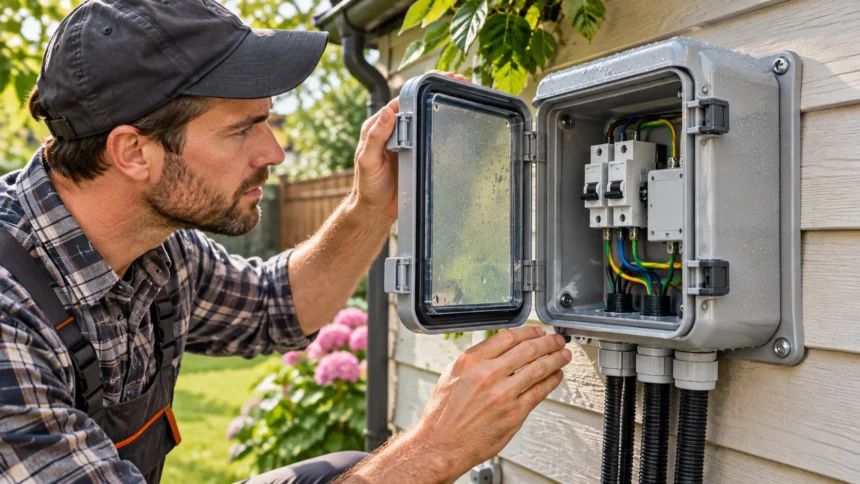
An outdoor electrical box protects electrical connections, outlets, and wiring from environmental conditions such as rain, dust, moisture, and sunlight. Whether you are installing outdoor lighting, adding power to a garden, or upgrading an exterior outlet, choosing the right electrical box matters. The wrong enclosure can expose electrical components to moisture, damage, and unnecessary safety risks.
Outdoor electrical boxes are available in different materials, sizes, designs, and protection ratings. Some are intended for covered locations, while others are designed for direct exposure to harsh weather. Understanding these differences helps you make a more informed purchase. This guide explains what to check before buying an outdoor electrical box, including weather resistance, materials, dimensions, safety certifications, and installation requirements.
What Is an Outdoor Electrical Box?
An outdoor electrical box is a protective enclosure designed to contain electrical connections, wiring devices, or other approved electrical components in exterior locations. It creates a barrier between electrical equipment and surrounding environmental conditions. Depending on its design, the enclosure may protect against rain, dust, insects, and accidental contact. These boxes are commonly used around homes, commercial buildings, gardens, and outdoor work areas.
Unlike ordinary indoor boxes, outdoor electrical enclosures are selected for specific environmental exposure conditions. They may feature weather-resistant materials, sealed openings, protective covers, or specialized gaskets. However, not every exterior-rated product provides the same level of protection. The appropriate enclosure depends on its intended application and the conditions it will experience during normal use.
Outdoor electrical boxes can house receptacles, switches, junctions, and certain control components when approved for those purposes. Different electrical devices require different enclosure designs and internal space. For example, an outdoor outlet box is not necessarily suitable for every junction or control application. Understanding the intended function is the first step toward selecting a compatible product.
Why Choosing the Right Outdoor Electrical Box Matters
The primary purpose of an outdoor electrical box is to protect electrical components from environmental exposure and unintended contact. Moisture can affect electrical connections, while dust and debris may interfere with equipment performance. A properly selected enclosure helps reduce these risks. However, the box must also be installed correctly and used with compatible covers, fittings, and electrical devices.
Choosing the wrong enclosure can lead to maintenance problems and premature equipment deterioration. For example, a box designed for a sheltered location may not provide suitable protection during wind-driven rain. Similarly, a material that performs well indoors may deteriorate under prolonged sunlight. Matching the enclosure to its environment helps improve durability and reduce avoidable replacement costs.
Electrical safety is another important consideration when selecting outdoor equipment. Enclosures must meet applicable electrical requirements and be suitable for the devices they contain. Local rules may also require specific protective devices or installation methods. A qualified electrician can evaluate these requirements and help ensure that the selected equipment is appropriate for the intended application.
Check the Weatherproof Rating Before Buying
Weather resistance should be one of your first considerations when purchasing an outdoor electrical box. Exterior locations can expose equipment to rain, splashing water, humidity, and airborne debris. Manufacturers provide enclosure ratings to describe the conditions their products are designed to withstand. These ratings help buyers compare protection levels rather than relying on appearance or marketing descriptions alone.
In North America, outdoor enclosures commonly use NEMA or UL enclosure type classifications. For example, Type 3R generally addresses outdoor rain exposure, while Type 4 provides protection against additional conditions, including hose-directed water. Type 4X also addresses corrosion resistance. Each classification has specific requirements, so check the exact product marking and manufacturer’s documentation before purchasing.
International products may instead display an IP rating, which describes protection against solid objects and water ingress. For example, IP65 indicates dust-tight protection and resistance to water jets under specified test conditions. However, an IP rating does not automatically establish suitability for every electrical installation. Always confirm the enclosure’s complete certification, intended application, and compatibility with local electrical requirements.
Choose the Right Material for Outdoor Conditions
Outdoor electrical boxes are commonly manufactured from plastic, fiberglass, aluminum, or steel. Each material offers different advantages depending on the installation environment. Nonmetallic boxes may provide corrosion resistance and relatively low weight, while metal enclosures can offer strength and durability. The best material depends on exposure conditions, equipment requirements, and the manufacturer’s approved applications.
Plastic electrical boxes are widely used for many residential exterior applications. Suitable outdoor-rated plastics can resist moisture and certain environmental conditions without rusting. However, ultraviolet exposure, temperature changes, and physical impacts may affect different plastic formulations. Look for products specifically rated for the intended outdoor environment rather than assuming every plastic enclosure offers equal protection.
Metal and fiberglass enclosures may suit applications requiring additional durability or environmental resistance. Aluminum resists certain forms of corrosion, while coated steel can provide strength when properly maintained. Fiberglass is often used where corrosion resistance is important. Metallic enclosures also require appropriate bonding and grounding provisions, making professional selection and installation particularly important.
Select the Correct Electrical Box Size and Depth
An outdoor electrical box must provide enough space for the electrical components and connections it is intended to contain. Selecting a box based only on exterior dimensions can create compatibility problems. Internal space varies depending on the enclosure design, wall thickness, and installed accessories. Always examine the manufacturer’s specifications before deciding whether a particular size is suitable.
Electrical box capacity matters because crowded installations can interfere with proper wiring arrangements and maintenance. Electrical codes may establish minimum box-fill requirements based on conductors, devices, and fittings. These requirements cannot be determined reliably from appearance alone. A qualified electrician should verify that the selected box provides the necessary capacity for the planned installation.
Depth is especially important when the enclosure needs to accommodate outlets, switches, or protective devices. Some outdoor receptacle configurations require additional clearance for plugs and weatherproof covers. A box that is too shallow may prevent compatible components from fitting correctly. Confirming device dimensions and enclosure compatibility before purchasing helps avoid installation difficulties and unnecessary returns.
Understand Outdoor Electrical Box Covers and Seals
The cover is an essential part of an outdoor electrical enclosure because it protects openings through which moisture or debris could enter. Different covers are designed for junction boxes, switches, and receptacles. Some use gaskets or sealing surfaces to maintain their protective rating. A suitable box paired with the wrong cover may not provide the protection required for the location.
Outdoor outlet covers deserve particular attention because some receptacles remain connected to equipment during use. A while-in-use cover is designed to provide protection while an appropriate cord is plugged into the outlet. Other covers may only provide their intended protection when closed and unused. The required cover type depends on the installation conditions and applicable electrical rules.
Seals and gaskets can also affect long-term enclosure performance. Poorly fitting, damaged, or incompatible sealing components may allow water or contaminants to enter. Manufacturers commonly specify approved accessories and replacement parts for their enclosures. Choosing a complete, compatible assembly helps preserve the intended environmental protection and makes future maintenance more straightforward.
Consider Where the Electrical Box Will Be Installed
Installation location affects nearly every outdoor electrical box requirement. An enclosure mounted beneath a protected porch may experience different conditions from one attached to an exposed garden wall. Direct rain, sunlight, irrigation spray, and physical impacts can influence product selection. Assessing the surrounding environment helps identify the appropriate enclosure rating, material, and protective accessories.
Areas near landscaping or irrigation systems may experience frequent water exposure. Meanwhile, coastal locations can present additional corrosion concerns due to salt in the surrounding environment. Locations exposed to strong sunlight may also require materials designed for prolonged ultraviolet exposure. Choosing an enclosure based on these specific conditions can improve reliability and reduce maintenance requirements.
Mounting surfaces and accessibility are equally important considerations. Electrical boxes may be installed on masonry, siding, posts, or other approved supporting structures. The mounting method must be suitable for both the enclosure and the surface. A qualified electrician can also evaluate required clearances, accessibility, and installation details before the equipment is purchased or fitted.
Look for Safety Certifications and Product Compatibility
Safety certifications provide useful information about whether an electrical enclosure has been evaluated against relevant standards. Depending on the market, products may carry recognized certification or listing marks associated with electrical equipment. These markings should correspond to the actual enclosure and its intended use. A manufacturer’s claim that a product is weatherproof does not replace appropriate verification.
Product compatibility is another critical factor when comparing outdoor electrical boxes. An enclosure may be designed for particular receptacles, switches, fittings, or connection methods. Using incompatible accessories can compromise physical fit or environmental protection. Always review the manufacturer’s instructions and approved component information rather than assuming similarly sized parts will work together.
Local electrical regulations can also influence purchasing decisions. Requirements may differ depending on the country, property type, and intended electrical application. For example, outdoor receptacle circuits may require appropriate ground-fault protection under applicable rules. Consulting a qualified local electrician helps ensure the selected equipment meets relevant safety and installation requirements before work begins.
Compare Surface-Mounted and Recessed Electrical Boxes
Surface-mounted outdoor electrical boxes are installed on the exterior of an appropriate supporting surface. They are commonly used where the enclosure can remain visible and accessible. Certain designs are intended for masonry, siding, or other approved mounting applications. Their suitability depends on the installation environment, enclosure rating, and compatible wiring methods.
Recessed electrical boxes are designed to sit within an approved wall or mounting assembly. They may provide a less prominent appearance compared with surface-mounted alternatives. However, recessed installations introduce additional considerations involving wall construction, weatherproofing, and compatible covers. A recessed box should not be chosen based on appearance alone without confirming its suitability for exterior use.
Both mounting styles can serve outdoor electrical applications when properly selected. The better option depends on the building structure, installation requirements, and intended equipment. Surface-mounted designs may be more practical for certain existing structures, while recessed products may suit planned construction. Professional evaluation helps prevent problems involving water intrusion, inadequate support, or unsuitable installation methods.
Check Durability, Maintenance, and Long-Term Value
An outdoor electrical box should remain suitable for its environment throughout its expected service life. Durability depends on enclosure material, protective coatings, mechanical construction, and exposure conditions. A product that costs less initially may require earlier replacement if it deteriorates in the intended location. Comparing long-term suitability is therefore more useful than focusing only on the purchase price.
Maintenance requirements also vary between enclosure types. Metal boxes may need periodic inspection for corrosion or coating damage, while some nonmetallic materials can become brittle under prolonged environmental exposure. Covers and seals should remain intact and properly secured. Any signs of water entry, cracking, or electrical damage should be assessed by a qualified professional.
Manufacturer support and replacement-part availability can affect long-term ownership costs. Some enclosure systems offer compatible replacement covers, gaskets, and hardware, making approved maintenance easier. Others may require replacing an entire assembly when an important component becomes damaged. Checking warranty terms and accessory availability before purchasing can help prevent future difficulties and unnecessary expense.
Common Mistakes to Avoid When Buying an Outdoor Electrical Box
One common mistake is assuming that any box labeled weather-resistant is suitable for every outdoor location. Weather exposure varies significantly between sheltered walls, uncovered areas, and places subject to direct water spray. A product may meet one environmental requirement but not another. Always match the enclosure’s documented rating to the conditions of the proposed installation.
Another mistake involves overlooking internal capacity and accessory compatibility. A box may appear large enough but lack suitable room for its intended devices and conductors. Similarly, an incompatible cover or fitting may compromise the enclosure’s protective characteristics. Checking the complete assembly helps ensure that all components are designed to work together under the expected conditions.
Choosing an electrical box based solely on price can also create problems. Extremely inexpensive products may lack clear specifications, suitable certifications, or dependable replacement accessories. Purchasing from reputable suppliers and examining manufacturer documentation can make comparisons easier. Most importantly, avoid treating an electrical enclosure as a substitute for safe wiring, correct circuit protection, and professional installation.
Conclusion
Choosing the right outdoor electrical box requires more than finding an enclosure that fits the available space. Weather resistance, material quality, internal capacity, compatible covers, and suitable mounting arrangements all influence performance. Understanding these factors helps you select equipment designed for the conditions it will experience. A properly chosen enclosure provides an important part of a safer and more dependable outdoor electrical installation.
Before purchasing, review the manufacturer’s specifications and confirm the enclosure’s intended application. Compare environmental ratings, construction materials, accessory compatibility, and maintenance needs. Consider whether the location receives direct rain, sunlight, irrigation spray, or other challenging conditions. These practical checks can help prevent unsuitable purchases and reduce the likelihood of avoidable replacement costs.
Electrical safety should remain the main priority throughout the selection process. Outdoor electrical boxes must be compatible with their electrical components and installed according to applicable requirements. A qualified electrician can confirm the correct enclosure, protective devices, and installation approach. Taking time to choose suitable equipment helps support reliable outdoor power connections and long-term peace of mind.
Frequently Asked Questions
What is an outdoor electrical box used for?
An outdoor electrical box protects approved electrical connections, switches, outlets, or other components from environmental exposure and accidental contact. Its design and rating determine the conditions and applications for which it is suitable.
Are all outdoor electrical boxes waterproof?
No, outdoor electrical boxes provide different levels of environmental protection. Some resist rain, while others offer additional protection against water jets or dust. Check the enclosure rating and installation requirements before purchasing.
What material is best for an outdoor electrical box?
The best material depends on environmental conditions and the intended application. Outdoor-rated plastic, fiberglass, aluminum, and coated steel each offer different advantages involving corrosion resistance, durability, weight, and maintenance.
Do outdoor electrical outlets need special covers?
Outdoor receptacles generally require covers suitable for their location and applicable electrical rules. Certain installations need weatherproof while-in-use covers that protect an outlet when an appropriate cord is connected.
Can I install an outdoor electrical box myself?
Electrical installation requirements vary by location and project type. Because incorrect wiring or weatherproofing can create serious hazards, a qualified electrician should evaluate and perform electrical work according to applicable regulations.