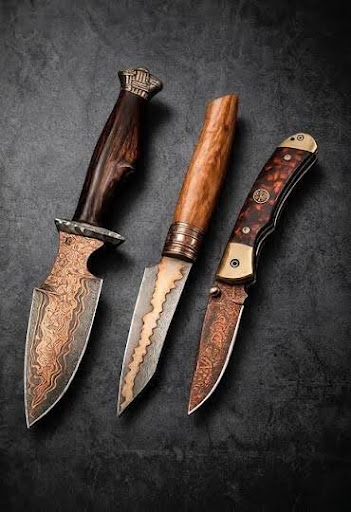
A reliable outdoor knife can be a useful addition to camping equipment, hunting gear, and a home utility collection. Different knife designs serve different purposes, and a gut hook hunting knife stands out because of its distinctive blade shape. It is traditionally associated with hunting and field-dressing applications, but its construction and materials can also make it interesting to outdoor enthusiasts and knife collectors.
For example, the Damascus gut hook hunting knife from JW Steel Crafts features a Damascus-patterned blade and a combination of bone, resin, and rosewood handle materials. Its fixed-blade construction gives it a different design from compact folding knives commonly found in camping kits.
However, choosing a versatile knife requires understanding its intended purpose. A gut hook hunting knife is primarily a specialized hunting design, not a replacement for kitchen knives, scissors, or dedicated household tools. Knowing where it fits into your equipment collection can help you make a more practical buying decision.
What Is a Gut Hook Hunting Knife?
A gut hook hunting knife is a specialized fixed-blade knife featuring a small curved hook along the spine near the blade’s tip. This distinctive feature separates it from conventional hunting knives.
The design is traditionally associated with field dressing game. Its hooked section is intended for a specialized cutting application, while the main blade provides the knife’s primary cutting surface.
Common Features of Gut Hook Knives
Although designs vary between manufacturers, many gut hook hunting knives share several characteristics:
- Hooked blade section: A curved feature near the spine distinguishes the design.
- Fixed-blade construction: The blade remains attached to the handle rather than folding.
- Specialized blade profile: The shape is designed around hunting-related applications.
- Outdoor-oriented construction: Many models are made for use as part of hunting and outdoor equipment.
- Distinctive handle materials: Wood, bone, resin, and synthetic materials are common options across different models.
Before purchasing, examine the product specifications to understand the exact construction and materials of an individual knife.
Why Choose Gut Hook Hunting Knives for Camping and Outdoor Activities?
A gut hook knife may appeal to people who participate in hunting, camping, and other outdoor activities. Its specialized blade design gives it a distinctive place among fixed-blade knives.
However, not every outdoor task requires a gut hook. Choosing the right knife depends on the activities you regularly participate in.
1. A Specialized Addition to Hunting Gear
Hunters may prefer a gut hook design because of its traditional association with field dressing. Its distinctive blade profile makes it different from standard fixed-blade hunting knives.
When comparing models, consider blade construction, handle fit, material information, and the manufacturer’s recommendations.
2. A Distinctive Knife for Outdoor Collections
Some people purchase gut hook hunting knives because they appreciate their unusual design and traditional hunting appearance.
Damascus-patterned blades, decorative handles, and individual finishing details can make these knives attractive additions to a collection.
3. A Fixed-Blade Option for Outdoor Equipment
Fixed-blade knives are often included in outdoor equipment collections because their construction differs from folding designs.
A gut hook knife can complement other outdoor tools, although its specialized blade profile may not be suitable for every general-purpose task.
4. A Practical Item to Consider for Camping Preparation
Camping requires different tools for different activities. A gut hook hunting knife may be relevant to people who also hunt, but campers who primarily need equipment for food preparation, cutting cord, or general campsite maintenance may find a standard utility knife more versatile.
Selecting tools according to their intended purpose helps avoid relying on one specialized design for every task.
Can You Use a Gut Hook Hunting Knife for Everyday Home Tasks?
The phrase everyday home tasks can cover many different activities, from opening packages to preparing food and handling garden equipment. It is important to choose a tool that suits the particular job.
A gut hook hunting knife is not designed to replace ordinary household cutting tools. Its hooked blade profile is specialized, and some home activities are better handled with dedicated equipment.
Suitable Household Utility Considerations
For general household needs, consider whether you actually need a fixed-blade hunting knife or whether another tool would be more convenient.
| Household or General Task | More Suitable Tool |
| Opening cardboard packages | Safety box cutter or package opener |
| Preparing everyday meals | Kitchen knife |
| Cutting paper or light materials | Household scissors |
| General repair work | Appropriate utility tool |
| Garden maintenance | Dedicated gardening tool |
| Hunting-related equipment | Suitable hunting knife |
A gut hook hunting knife may belong in a household outdoor-gear collection, especially for someone who also hunts. However, it should not be treated as an all-purpose household knife.
Why Choosing the Right Tool Matters
Using a tool for its intended purpose can improve convenience and reduce unnecessary wear. It also helps avoid using a specialized blade where a safer or more appropriate household tool is available.
For everyday home activities, keep dedicated utility tools accessible and store hunting knives separately and securely.
Important Features to Check Before Buying a Gut Hook Hunting Knife
Not all gut hook hunting knives are made alike. Their materials, construction, dimensions, and finishing can vary significantly.
Before making a purchase, review these important features.
1. Blade Material and Pattern
The blade material is one of the most important factors to investigate.
Damascus steel is known for its distinctive visual patterns. Modern pattern-welded Damascus is generally produced by joining layers of steel and manipulating them to create visible designs.
However, a Damascus-style appearance alone does not confirm the exact steel composition or performance characteristics.
Check whether the manufacturer provides clear information about the blade material, construction, and care requirements.
2. Fixed-Blade Construction
A fixed-blade knife has a blade that does not fold into the handle. Buyers often compare fixed-blade models based on construction, handle attachment, dimensions, and overall finishing.
Look for clear product information explaining how the blade and handle are constructed.
3. Handle Material
The handle affects a knife’s appearance, feel, and maintenance requirements. Common materials include:
- Bone: Offers a traditional appearance and natural variations.
- Resin: Can provide decorative patterns and different color combinations.
- Rosewood: A natural wood option known for its distinctive grain.
- Synthetic materials: Often selected for their practical characteristics and varied designs.
When a product combines several materials, check the manufacturer’s description to understand how each one is used.
4. Handle Fit and Finishing
Examine the visible connection between the blade and handle. Consistent finishing, properly fitted components, and clean surfaces contribute to the overall presentation.
Product photographs can help you assess appearance, but detailed specifications and seller information are equally important.
5. Sheath and Storage Options
A suitable sheath can help protect a fixed-blade knife during storage and transportation where legally permitted.
Check whether a sheath is included and whether its material and design are described in the product listing.
Damascus Gut Hook Hunting Knives vs. Traditional Hunting Knives
Both Damascus gut hook knives and conventional hunting knives can be interesting options for outdoor enthusiasts. Their main difference is the blade design and intended application.
| Feature | Damascus Gut Hook Knife | Traditional Hunting Knife |
| Blade design | Includes a specialized hooked section | Usually has a conventional blade profile |
| Appearance | May feature visible Damascus patterns | Available in many blade finishes |
| Main association | Specialized hunting applications | Broader hunting and outdoor applications |
| Construction | Often available as fixed-blade designs | Available in fixed and folding designs |
| Collectible appeal | Pattern and hook design may attract collectors | Depends on materials and craftsmanship |
The best option depends on your requirements. Someone interested in the traditional gut hook design may prefer a specialized model, while another buyer may choose a conventional hunting knife for a broader range of outdoor activities.
JW Steel Crafts: Exploring Damascus Gut Hook Hunting Knives
JW Steel Crafts offers different knife designs for collectors, hunting enthusiasts, and people interested in traditional craftsmanship. Its product range includes Damascus-patterned knives and other fixed-blade designs.
One product worth examining is its gut hook hunting knife, which combines a Damascus-patterned blade with bone, resin, and rosewood handle materials.
Some of its listed design features include:
- Damascus-patterned blade
- Bone, resin, and rosewood handle components
- Fixed-blade construction
- Distinctive hunting knife profile
- Leather sheath listed with the product
These features make it an option to consider when comparing specialized hunting knives and decorative Damascus designs.
You can also explore the wider range of JW Steel Crafts knives to compare different blade styles, handle materials, and handmade-inspired designs.
When reviewing a product, always confirm its current specifications, availability, included accessories, and material information directly from the listing.
How to Choose the Right Gut Hook Hunting Knife
Finding the right knife starts with understanding how you plan to use it. A design that appeals to a collector may not be the most suitable choice for someone looking for a general camping utility tool.
Use the following buying considerations to narrow down your options.
Identify Your Main Purpose
Decide whether you are purchasing the knife for hunting-related applications, collecting, outdoor equipment, or display.
If your main requirement is everyday household utility, consider a dedicated household or utility knife instead.
Compare Blade Designs
Look at the overall blade shape, hooked section, dimensions, and finishing. Compare product photographs and descriptions rather than assuming all gut hook knives share the same design.
Review Handle Materials
Choose a handle material that matches your preferences. Natural materials such as bone and rosewood have individual characteristics, while resin can offer different decorative appearances.
Check Product Specifications
Look for clear details about blade material, construction, dimensions, and included accessories. A transparent product listing makes comparison easier.
Consider Price and Value
A higher price does not automatically mean a better knife. Compare materials, construction, finishing, accessories, and seller information to decide whether the price matches the product.
Check Local Knife Regulations
Knife ownership, transportation, and carrying laws vary by location. Review the applicable rules before purchasing or transporting a hunting knife.
Caring for and Storing a Damascus Gut Hook Hunting Knife
Proper care can help preserve the appearance and condition of a Damascus-patterned knife.
Keep the Blade Clean
After handling, wipe the blade with a soft cloth to remove fingerprints, dirt, and moisture.
Dry It Before Storage
Moisture can contribute to corrosion, depending on the blade’s steel composition. Make sure the blade is dry before storing it.
Follow Appropriate Care Recommendations
Different steels and handle materials may require different care. Follow the manufacturer’s instructions and use suitable protective products when recommended.
Store It Securely
Keep the knife in its sheath or another suitable protective storage arrangement when appropriate. Store it in a dry, secure location away from children.
Inspect the Handle and Sheath
Occasionally check the handle, visible fittings, and sheath for damage or signs of wear. Seek professional assistance if the knife has a loose component or a damaged locking or attachment feature.
Final Thoughts
The best gut hook hunting knives for camping and outdoor enthusiasts combine a distinctive blade profile with materials and construction suited to their intended purpose. Damascus-patterned designs can offer additional visual appeal, while bone, resin, and rosewood handles provide different styling options.
A gut hook hunting knife may be a valuable addition to hunting equipment or a knife collection, but it is not automatically the best choice for everyday home tasks. Dedicated kitchen knives, package openers, scissors, and utility tools are generally more suitable for ordinary household activities.
Before purchasing, compare the blade material, handle construction, product specifications, sheath, and seller information. Choosing a knife according to its intended purpose will help you build a more useful and well-organized collection.
Frequently Asked Questions
1. What is a gut hook hunting knife used for?
A gut hook hunting knife is a specialized hunting design traditionally associated with field dressing game. Its distinctive hooked section separates it from conventional hunting knife profiles.
2. Are gut hook knives suitable for camping?
They can be included in camping equipment, particularly for people who also hunt. However, a standard utility or camping knife may be more versatile for general campsite activities.
3. Can I use a gut hook hunting knife for household tasks?
It may be stored as part of a home outdoor-gear collection, but it is not designed to replace ordinary household tools. Kitchen knives, scissors, and safety cutters are generally more appropriate for everyday home activities.
4. What makes a Damascus gut hook hunting knife different?
It combines the specialized hooked blade profile with a Damascus-style blade pattern. The exact steel composition and manufacturing method depend on the product.
5. Are bone and rosewood good hunting knife handle materials?
Bone and rosewood are traditional handle materials that offer distinctive appearances. Their suitability depends on construction, finishing, maintenance, and the manufacturer’s specifications.
6. What should I check before buying a gut hook hunting knife?
Review the blade material, dimensions, handle construction, finishing, sheath, product photographs, and seller information. Also check local regulations before purchasing.
7. How should I store a Damascus hunting knife?
Clean and dry the blade before storage, follow the manufacturer’s care recommendations, and keep the knife in a suitable protective arrangement in a secure location.
8. Are Damascus gut hook knives good for collectors?
They can appeal to collectors who appreciate distinctive blade patterns, specialized hunting designs, and decorative handle materials. Collectible appeal depends on the individual knife and the collector’s interests.