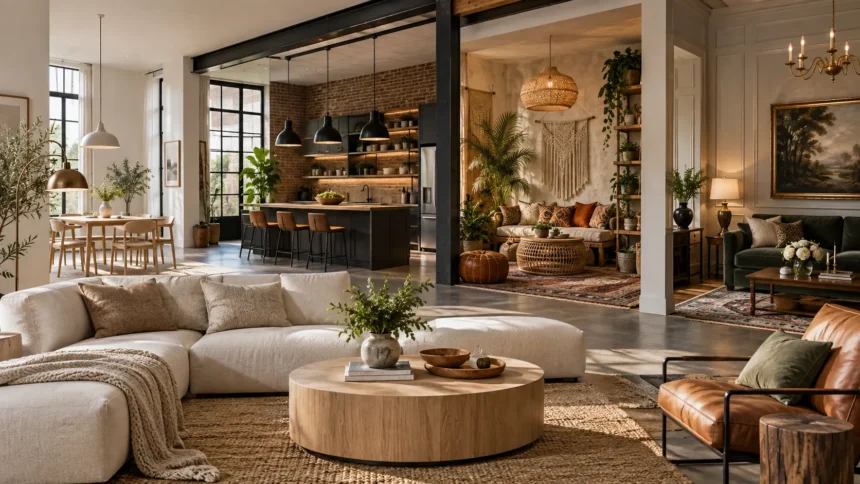
Interior design styles give a home personality, structure, and visual direction. Whether you prefer clean modern rooms, cozy farmhouse spaces, natural Scandinavian interiors, or bold eclectic decor, choosing a clear style can make decorating much easier. The right look should reflect your taste while still working with the size, layout, lighting, and function of your home.
You do not need to follow one style perfectly or replace everything you already own. Many beautiful homes combine elements from several design styles while keeping colors, materials, and shapes consistent. Understanding the most popular looks and their defining features can help you create a space that feels intentional instead of random or unfinished.
Modern Design Style
Modern interior design focuses on clean lines, simple shapes, open spaces, and practical furniture. Rooms usually avoid excessive decoration and rely on strong proportions instead. Neutral colors such as white, gray, beige, and black often create the foundation, while carefully chosen accent colors add warmth or visual interest.
Furniture in a modern room tends to have smooth surfaces and straightforward silhouettes. Materials such as glass, metal, wood, leather, and polished stone work especially well. Instead of filling every corner, modern interiors use fewer pieces and give each item enough space to stand out clearly.
To achieve the modern look, remove unnecessary clutter and choose furniture with clean profiles. Keep window treatments simple and use lighting with sculptural but uncomplicated forms. Add personality through artwork, textured fabrics, or one statement piece rather than relying on many small decorations.
Contemporary Design Style
Contemporary design reflects what feels current rather than following one fixed historical movement. It often combines clean architecture, comfortable furniture, neutral palettes, and updated materials. Because trends change, contemporary interiors can evolve more easily than styles based on strict traditional rules.
Curved furniture, warm neutrals, textured fabrics, natural stone, and simple decorative objects are common in contemporary spaces. The overall effect should feel polished without becoming cold. Rooms often balance minimal visual clutter with enough texture and softness to remain comfortable and welcoming.
To create a contemporary room, start with simple large pieces and introduce current accents gradually. Choose furniture with updated proportions, use layered lighting, and mix smooth finishes with tactile materials. Avoid overcrowding the room, because contemporary design depends heavily on breathing space and thoughtful visual balance.
Minimalist Design Style
Minimalist design follows the principle that fewer, better-chosen objects can create a calmer and more functional environment. The style favors simple furniture, restrained color palettes, clean surfaces, and limited decoration. Every item should have a clear purpose or contribute meaningfully to the room.
White, beige, soft gray, black, and natural wood tones are commonly used in minimalist interiors. Storage is especially important because everyday clutter can quickly interrupt the calm appearance. Furniture with hidden storage, closed cabinets, and streamlined shapes helps maintain the clean look.
Getting the minimalist style does not require making your home feel empty. Keep items that are useful, beautiful, or personally meaningful and remove unnecessary duplicates. Add warmth through natural materials, soft textiles, and subtle texture so the space feels peaceful rather than unfinished.
Scandinavian Design Style
Scandinavian design combines simplicity, comfort, natural materials, and practical living. Light colors help rooms feel bright, while pale wood, soft textiles, and understated furniture create warmth. The style works especially well in smaller homes because it emphasizes functionality without sacrificing beauty.
White walls are common, but Scandinavian spaces rarely feel completely plain. Warm beige, muted blue, soft green, charcoal, and natural wood add gentle contrast. Wool rugs, linen curtains, woven baskets, ceramic accessories, and cozy throws help create the relaxed atmosphere associated with this style.
To recreate the look, choose light-toned furniture and keep decorative elements simple. Introduce greenery through indoor plants to add natural color and life without making the room feel busy. Focus on comfort, natural light, and practical pieces with clean, approachable shapes.
Industrial Design Style
Industrial design takes inspiration from factories, warehouses, and converted loft spaces. Exposed brick, concrete, black metal, unfinished wood, visible pipes, and large open spaces are common features. The look feels raw and structured, but it can still be warm when softer materials are introduced carefully.
Furniture often combines wood with steel or iron, while lighting may feature exposed bulbs, metal shades, or oversized fixtures. Colors usually stay within charcoal, black, brown, rust, gray, and muted neutrals. Leather seating and reclaimed wood help soften the harder architectural materials.
To achieve industrial style at home, you do not need exposed brick or a loft ceiling. Introduce black-framed shelving, metal lighting, weathered wood furniture, or concrete-look surfaces. Balance these harder elements with rugs, cushions, curtains, and warm lighting so the room does not feel overly harsh.
Farmhouse Design Style
Farmhouse design emphasizes comfort, natural materials, familiar shapes, and a relaxed sense of home. Traditional farmhouse interiors often include wood furniture, woven textures, simple patterns, and practical storage. Modern farmhouse style keeps these elements but uses cleaner lines and a more restrained color palette.
White, cream, beige, warm gray, and natural wood usually form the base of farmhouse rooms. Black metal accents, soft linen, vintage-inspired furniture, and ceramic pieces provide contrast. Shiplap or paneled walls can reinforce the look, but they are not necessary if the furnishings already create enough character.
To get the farmhouse style, choose pieces that feel comfortable rather than overly polished. Mix new furniture with a few aged or vintage-inspired items, and use natural fabrics where possible. Avoid filling the space with themed signs or overly decorative accessories, which can make the room feel less authentic.
Bohemian Design Style
Bohemian interiors are expressive, layered, colorful, and relaxed. Instead of following strict decorating rules, the style combines patterns, textiles, handmade pieces, travel-inspired objects, plants, and vintage furniture. The result should feel collected over time rather than perfectly coordinated.
Warm earthy tones such as terracotta, mustard, deep green, burgundy, and brown work well in bohemian rooms. Layered rugs, patterned cushions, woven wall hangings, rattan furniture, and handmade ceramics add depth. Natural materials help balance stronger colors and patterns so the room still feels comfortable.
To create a bohemian look, start with a neutral foundation and gradually layer colors and textures. Mix different patterns, but repeat a few colors throughout the room to maintain connection. Choose accessories that feel personal rather than buying many decorative pieces simply to fill shelves.
Mid-Century Modern Design Style
Mid-century modern design became popular during the middle decades of the twentieth century and remains influential today. It is known for clean lines, tapered furniture legs, organic forms, warm wood, and functional layouts. The style feels simple but usually has more visual character than strict minimalism.
Walnut, teak, leather, glass, and metal are common materials, while colors can include mustard, olive, burnt orange, blue, brown, and cream. Furniture often has a low profile and distinct geometric or curved shapes. Statement lighting is another strong feature of mid-century interiors.
To achieve the look, invest in one or two recognizable furniture shapes rather than making every item heavily retro. Pair a streamlined sofa with a warm wood coffee table or a sculptural chair. Keep walls and larger surfaces relatively simple so the furniture forms remain the main visual focus.
Traditional Design Style
Traditional interior design draws inspiration from classic European furniture, symmetry, detailed woodwork, and elegant decorative elements. Rooms often feel formal but comfortable, with balanced furniture arrangements and timeless materials. The style works particularly well for people who prefer established design principles over rapidly changing trends.
Rich wood tones, upholstered furniture, patterned rugs, decorative molding, and classic lighting are common. Colors may include cream, navy, burgundy, warm green, taupe, and muted gold. Fabrics such as velvet, linen, and patterned upholstery add depth and a sense of refinement.
To get a traditional look without making the space feel dated, combine classic furniture with a lighter color palette. Use symmetry when arranging lamps, chairs, or artwork, and choose decorative details selectively. Mixing a few contemporary elements can keep the overall design feeling fresh and livable.
Coastal Design Style
Coastal design creates a light, relaxed atmosphere inspired by beaches, water, and natural surroundings. The style typically uses bright interiors, soft colors, natural textures, and casual furniture. It should feel airy and comfortable rather than themed like a beach souvenir shop.
White, sandy beige, pale blue, seafoam green, and light wood work naturally in coastal interiors. Linen upholstery, woven baskets, jute rugs, and rattan furniture add texture. Large windows and simple curtains help maximize natural light, which is one of the strongest features of the style.
To achieve the look, focus on color and texture rather than obvious nautical decorations. Use natural fibers, weathered wood, and soft blue accents while keeping the base bright and neutral. A few shells or coastal objects can work, but they should support the room rather than dominate it.
Japandi Design Style
Japandi combines Japanese simplicity with Scandinavian warmth and functionality. The result is calm, uncluttered, natural, and highly intentional. Rooms usually feature low-profile furniture, soft neutral colors, handcrafted details, natural wood, and a strong focus on quality over quantity.
The color palette tends to include warm white, beige, brown, charcoal, muted green, and black. Natural materials such as wood, stone, linen, clay, and paper play an important role. Decorative pieces are limited but carefully chosen, often emphasizing craftsmanship and organic shapes.
To create a Japandi interior, reduce visual clutter and choose furniture with simple, low silhouettes. Use fewer objects but give them space to stand out. Add warmth through textured fabrics, handmade pottery, soft lighting, and natural finishes rather than relying on bright colors or excessive decoration.
Art Deco Design Style
Art Deco is bold, glamorous, geometric, and decorative. The style became famous for strong symmetry, luxurious finishes, dramatic patterns, and rich materials. It works particularly well when you want a room to feel sophisticated and visually distinctive rather than quiet or understated.
Deep green, navy, black, gold, cream, burgundy, and jewel tones are commonly associated with Art Deco interiors. Brass, marble, velvet, mirrored finishes, and polished wood add luxury. Geometric lighting, curved furniture, and strong decorative lines help give the room its recognizable personality.
You do not need to turn the entire home into a dramatic period interior. Introduce Art Deco through a statement mirror, velvet chair, geometric rug, brass lighting, or marble table. Keeping the surrounding furniture simpler allows these decorative elements to make an impact without overwhelming the space.
Eclectic Design Style
Eclectic design combines furniture, colors, artwork, and influences from different styles while maintaining enough visual connection to feel intentional. It allows more personal freedom than styles with strict rules. However, successful eclectic rooms still need balance, repetition, and a clear relationship between the different elements.
A room might combine a modern sofa, traditional rug, vintage side table, contemporary artwork, and industrial lighting. What keeps the look together is usually a repeated color palette, similar proportions, or shared materials. Without those connections, eclectic design can quickly become visually chaotic.
To create the style successfully, choose a few dominant colors and repeat them across the room. Mix periods and materials but avoid adding something different simply for the sake of variety. Leave enough open space so individual pieces can be appreciated rather than competing continuously for attention.
How to Choose the Right Design Style
Start by looking at rooms you naturally save or admire and identify what they have in common. Pay attention to furniture shapes, colors, materials, lighting, and the amount of decoration. You may discover that you repeatedly prefer warm minimalism, traditional details, natural Scandinavian rooms, or another consistent visual direction.
Your lifestyle matters just as much as appearance. A highly minimal room may look beautiful in photographs but feel impractical if you need lots of visible storage. Similarly, delicate luxury fabrics may not suit a busy home with pets or young children, so choose a style that works with everyday life.
You can also combine two compatible styles instead of selecting only one. Modern farmhouse, Scandinavian minimalism, or industrial contemporary interiors can work beautifully when the shared elements are clear. Focus on creating consistency through color, scale, material, and mood rather than following a design label too strictly.
Conclusion
Popular design styles range from clean modern and minimalist interiors to warm farmhouse, expressive bohemian, elegant traditional, and bold Art Deco spaces. Each style uses different combinations of color, furniture, material, texture, and decoration to create its distinctive atmosphere.
The easiest way to get any design style is to understand its core features instead of copying every detail. Choose a clear color palette, invest in suitable furniture shapes, repeat key materials, and remove pieces that distract from the overall direction. Small changes can often shift the character of a room significantly.
Most importantly, your home does not need to fit perfectly into one category. The best interiors often combine influences while still feeling balanced and personal. Use design styles as guidance, then adapt them to your lifestyle, existing furniture, budget, and the way you want your home to feel.
FAQs
What are the most popular interior design styles?
Popular styles include modern, contemporary, minimalist, Scandinavian, farmhouse, industrial, bohemian, traditional, coastal, mid-century modern, Japandi, Art Deco, and eclectic interior design.
Can I mix different design styles in one room?
Yes. Mixing styles can create a more personal interior when the room shares consistent colors, materials, proportions, or textures. Limit the number of competing elements so the space remains visually connected.
How do I know which interior design style suits me?
Look at rooms you repeatedly admire and identify common colors, furniture shapes, textures, and materials. Your lifestyle, home architecture, storage needs, and preferred level of decoration should also guide your choice.
What design style makes a small room look bigger?
Modern, Scandinavian, minimalist, and contemporary styles can work well in small rooms because they favor simpler furniture, lighter palettes, practical storage, and less visual clutter.
Do all rooms in a house need the same design style?
No. Rooms can have slightly different personalities, but repeating certain colors, materials, or design details throughout the home helps create a consistent flow from one space to another.