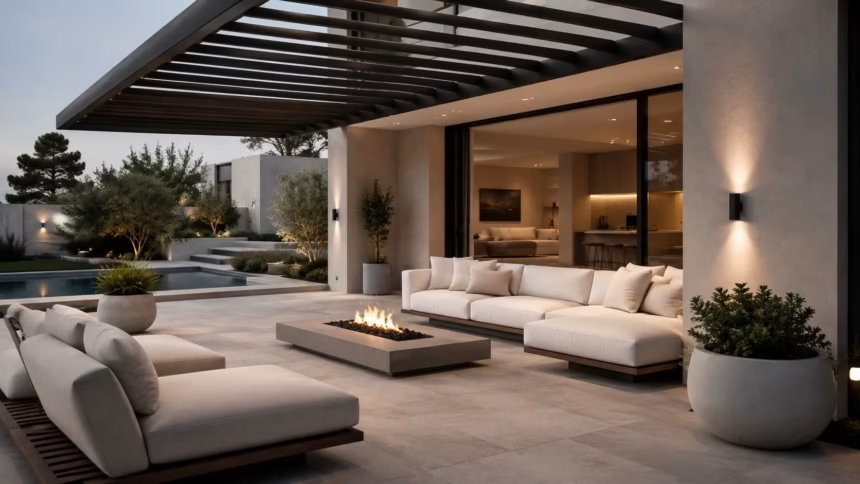
Minimalist Outdoor Living Ideas for Modern Homes
Minimalist outdoor living is about creating a calm, functional space without filling every corner with furniture, plants, or decorative objects. The goal is not to make a patio or backyard feel empty. Instead, every feature should serve a clear purpose and contribute to a comfortable, visually balanced environment.
Modern homes are especially well suited to this approach because minimalist outdoor spaces often repeat the clean lines, neutral colours, and uncluttered layouts found indoors. A carefully planned terrace, balcony, deck, or garden can feel like a natural extension of the home rather than a completely separate area.
The best minimalist outdoor living ideas also make the space easier to use and maintain. Fewer materials, practical furniture, controlled planting, and hidden storage can reduce visual clutter while leaving enough room for movement, dining, relaxing, or entertaining.
You do not need a large budget or an expansive garden to achieve this look. Thoughtful planning matters more than square footage. By choosing fewer elements and giving each one a clear role, you can create a modern outdoor retreat that feels spacious, welcoming, and easy to enjoy.
What Is Minimalist Outdoor Living?
Minimalist outdoor living is a design approach based on simplicity, functionality, and intentional choices. It uses a limited number of materials, colours, plants, and furnishings to create a clean environment that supports everyday activities without unnecessary visual noise.
The style often includes geometric layouts, open pathways, streamlined furniture, and a restrained colour palette. Rather than combining many unrelated features, minimalist outdoor design repeats a few carefully chosen forms and finishes to produce a unified appearance.
Minimalism does not require removing comfort, colour, or personality. Soft cushions, textured materials, warm lighting, and carefully selected plants can make a simple space feel inviting. The difference is that these elements are used deliberately rather than added without a clear plan.
A successful minimalist outdoor space should also reflect the people who use it. A family may need flexible seating and an open play area, while a couple may prefer a quiet dining corner. The design remains minimal because it focuses on genuine needs instead of copying every available outdoor trend.
Begin With a Clear Purpose
Before buying outdoor furniture or choosing plants, decide how you want to use the space. Think about whether the area should support dining, reading, entertaining, cooking, working, gardening, or quiet relaxation. A defined purpose makes every later decision easier.
Trying to fit too many activities into one small patio can make it feel crowded. Choose one primary function and one supporting function instead. A compact balcony, for example, might work best as a morning coffee area with a few container plants rather than a complete outdoor dining room.
Larger gardens can be divided into simple outdoor zones. One area may contain a dining table, while another holds lounge seating or a fire feature. Open space between the zones helps each area feel intentional and prevents the backyard from becoming visually overwhelming.
Consider how often the space will realistically be used. A large outdoor kitchen may not be worthwhile for someone who rarely cooks outside. Minimalist planning directs money and space toward the features that will improve daily life instead of impressive additions that remain unused.
Create a Seamless Indoor-Outdoor Connection
A strong connection between the interior and exterior makes an outdoor living area feel larger and more integrated. Large windows, sliding doors, folding doors, and uninterrupted sightlines can visually extend the living room, kitchen, or dining area into the garden.
Repeat selected interior materials or colours outside to strengthen this flow. A warm wood tone used in the kitchen might appear in outdoor furniture, while an interior stone floor could be echoed with similarly coloured patio pavers.
The outdoor space does not need to match the interior exactly. Instead, both areas should share a common design language. Similar proportions, finishes, or colours can create continuity while allowing the exterior to respond to weather and natural surroundings.
Keep the area immediately outside the doors relatively open. Large planters, bulky furniture, or tall decorative objects can interrupt views and movement. A clear transition makes it easier to carry food outside, host guests, and use the space as part of everyday home life.
Use Clean Lines and Simple Shapes
Clean lines are one of the most recognizable features of modern minimalist outdoor design. Straight pathways, rectangular patios, linear planters, and furniture with simple profiles create an organized appearance that feels calm and intentional.
Repeating the same shapes can strengthen the design. Rectangular paving may be complemented by a long dining table, horizontal privacy screen, and narrow planting bed. This repetition connects individual features without requiring additional decoration.
Curves can still work within a minimalist garden, but they should be controlled and purposeful. One sweeping path or rounded seating area can soften a highly geometric home while maintaining a simple overall layout.
Avoid mixing too many unrelated shapes in a limited space. Circular furniture, irregular paving, zigzag borders, and multiple planter styles can compete for attention. Select one dominant form and allow the remaining features to support it.
Choose a Restrained Colour Palette
A neutral colour palette gives a minimalist outdoor living space a clean and timeless foundation. White, charcoal, warm grey, beige, taupe, black, and natural wood tones can complement modern architecture without drawing attention away from the landscape.
Limit the core palette to two or three main colours. One shade can dominate the flooring or walls, another may appear in furniture, and a third can provide contrast through cushions, planters, or metal details.
Natural greenery becomes more noticeable against a simple backdrop. Deep green foliage can provide enough colour without requiring many bright accessories. Seasonal flowers can then be introduced in small amounts when additional interest is desired.
A restrained palette does not need to feel cold. Warm timber, woven fabric, terracotta, soft beige cushions, and subtle earthy tones can balance concrete, steel, or black aluminium. Texture adds depth when the number of colours remains limited.
Invest in Fewer, Better Furniture Pieces
Minimalist outdoor furniture should be comfortable, durable, and appropriately sized for the available area. Instead of filling a patio with many small chairs and tables, choose a few versatile pieces that support the space’s main purpose.
A streamlined sectional can provide more seating with less visual clutter than several mismatched chairs. Similarly, a simple dining table with stackable or lightweight chairs can make the space easy to rearrange when additional open room is needed.
Pay attention to proportion. Oversized lounge furniture can overwhelm a narrow terrace, while very small pieces may look disconnected in a large garden. Measure the area and leave comfortable pathways before purchasing anything.
Quality matters because outdoor furniture faces sun, moisture, dust, and temperature changes. Powder-coated aluminium, weather-resistant timber, stainless steel, and suitable outdoor fabrics may cost more initially but can reduce frequent replacement and maintenance.
Select Low-Maintenance Outdoor Materials
Minimalist spaces look best when surfaces remain clean and consistent. Choose outdoor materials that suit the local climate and can maintain their appearance without constant sealing, painting, polishing, or repair.
Porcelain pavers, concrete, natural stone, composite decking, metal, and responsibly selected timber can all support modern outdoor living. Each material has different costs, maintenance requirements, heat retention, and slip characteristics, so suitability matters more than appearance alone.
Limit the number of hardscape materials to create visual unity. A patio containing several types of stone, brick, wood, gravel, and tile may feel fragmented. Using one main surface and one complementary accent usually produces a cleaner result.
Consider how the material will age. Some homeowners prefer timber and natural stone that gradually develop character, while others want surfaces that remain visually consistent. The best choice is one whose long-term appearance matches your expectations.
Simplify the Planting Design
Plants prevent minimalist outdoor spaces from feeling sterile, but they should be selected with the same care as furniture and materials. A limited planting palette can create a stronger visual effect than many unrelated species competing for attention.
Repeat the same plants in groups or rows to establish rhythm. Ornamental grasses, clipped shrubs, architectural succulents, compact trees, and evergreen plants can provide clear forms that complement modern buildings.
Choose plants suited to the local soil, sunlight, rainfall, and climate. A plant that constantly struggles will require more water, fertilizer, pest treatment, and replacement. Climate-appropriate planting usually creates a healthier and more manageable garden.
Allow enough room for mature growth. Crowding young plants together may create instant fullness, but the garden can soon become difficult to control. Proper spacing helps preserve the clean lines and open areas central to minimalist landscaping.
Use Statement Plants Instead of Excessive Variety
A single sculptural plant can become a natural focal point without adding decorative clutter. A small tree, tall grass, olive tree, palm, agave, Japanese maple, or locally appropriate architectural plant can anchor the entire outdoor layout.
Place the statement plant where it can be viewed from both inside and outside. Framing it through a window or placing it at the end of a pathway gives the landscape a clear visual destination.
Use a simple planter or planting bed so the container does not compete with the plant. Large vessels in stone, concrete, matte ceramic, or powder-coated metal work particularly well in modern outdoor spaces.
The best statement plant depends on the regional climate and maintenance available. Consider mature size, root behaviour, wind exposure, water needs, and seasonal appearance before choosing a plant based only on a photograph.
Make Container Gardens Feel Intentional
Container gardening is useful for patios, balconies, rooftops, and rented homes where permanent landscaping may not be possible. The key to a minimalist look is using fewer, larger pots instead of collecting many small containers.
Choose planters from the same material or colour family. They do not need to be identical, but consistent finishes help different sizes appear as one coordinated group rather than unrelated purchases.
Group containers in odd numbers or arrange them in a simple line. Varying the height of plants can create interest while the containers maintain visual order. Avoid placing a pot in every empty corner.
Select plants with similar care requirements when grouping containers. This simplifies watering and maintenance while helping the arrangement remain healthy. Drought-tolerant plants may be particularly practical for exposed modern patios.
Create Comfortable Shade Without Visual Clutter
Shade makes an outdoor living area more usable during hot and sunny weather. A minimalist shade structure should provide protection while supporting the home’s architectural lines rather than dominating the entire space.
A simple pergola can define a dining or lounge area without completely enclosing it. Slim metal framing creates a contemporary appearance, while timber can add warmth and soften hard exterior surfaces.
Retractable awnings and large cantilever umbrellas provide flexible shade for spaces where a permanent structure is unsuitable. Choose plain fabrics and uncomplicated shapes that coordinate with the wider colour palette.
Observe the sun before deciding where shade is needed. The hottest area in the afternoon may be different from the brightest spot in the morning. Correct positioning can make a smaller shade feature more effective than a large structure placed without considering solar movement.
Add Modern Outdoor Lighting
Outdoor lighting should improve safety, extend evening use, and reveal important design features. Minimalist lighting is usually subtle, with the source concealed or kept visually simple whenever possible.
Use a small number of lighting types for different purposes. Low pathway lights can guide movement, wall lights can illuminate entrances, and soft overhead or integrated lighting can support dining and conversation.
Warm-toned light often creates a more comfortable atmosphere than very cool, bright illumination. Avoid flooding the entire garden with the same intensity. Pools of light and controlled shadows can make a simple landscape feel deeper and more inviting.
Highlight one or two architectural features, trees, or textured walls rather than illuminating every plant. Excessive decorative lighting can introduce clutter, increase energy use, and reduce the calm atmosphere that minimalist outdoor living aims to create.
Build Privacy Into the Design
Privacy can make an outdoor space feel more relaxing, particularly in closely built neighbourhoods. Minimalist privacy solutions rely on clean forms and integrated materials instead of a collection of temporary screens.
Horizontal timber slats, metal panels, masonry walls, frosted glass, and simple trellises can block unwanted views while supporting modern architecture. The chosen structure should comply with local height, boundary, and planning requirements.
Plants can provide softer screening where space permits. Narrow hedges, bamboo alternatives appropriate to the region, climbing plants, or small trees can reduce overlooking without making the garden feel completely enclosed.
Screen only the areas that genuinely need privacy. Blocking every boundary may reduce airflow, natural light, and views of the sky. A strategically placed screen beside a dining or lounge area can provide comfort while preserving openness elsewhere.
Design a Minimalist Outdoor Dining Area
An outdoor dining area should be positioned where it is convenient to reach from the kitchen. A short, obstacle-free route makes it easier to carry food, dishes, and drinks while reducing the need for extra outdoor storage.
Choose a table shape that fits the space. Rectangular tables work well in long patios, while round tables can improve movement in compact areas. Built-in benches may provide seating without requiring many separate chairs.
Keep the tabletop styling simple. One planter, lantern, or bowl can add personality without leaving little room for meals. Outdoor spaces usually look calmer when decorative pieces are removed after use rather than permanently displayed.
Provide enough light and shade for comfortable dining at different times. A pergola, umbrella, or covered terrace can protect the table during the day, while soft wall or overhead lighting supports evening gatherings.
Keep Outdoor Kitchens Streamlined
A minimalist outdoor kitchen should contain only the appliances and work surfaces that will be used regularly. A grill, compact preparation area, storage cabinet, and small sink may provide more value than a large installation filled with rarely used equipment.
Integrate appliances into a simple linear or L-shaped layout. Matching cabinet fronts and concealed storage reduce visual interruption while making the cooking area feel connected to the surrounding architecture.
Choose materials that can tolerate heat, moisture, grease, and sunlight. Outdoor-rated cabinets, stone or suitable porcelain surfaces, and corrosion-resistant hardware can help the kitchen remain practical over time.
Consider utility connections, ventilation, drainage, and fire safety during planning. These technical requirements should be resolved before finishes are selected. A qualified professional may be needed for electrical, gas, plumbing, or structural work.
Use Built-In Seating to Reduce Clutter
Built-in seating can define an outdoor zone while reducing the number of movable furniture pieces. A low bench along a wall, planter, or patio edge creates a clean profile and uses space that might otherwise remain empty.
The seating can include concealed storage for cushions, garden tools, or children’s outdoor items. This helps preserve an uncluttered appearance while keeping useful objects close to where they are needed.
Comfort is still important. Add a small number of fitted outdoor cushions in neutral or muted colours. Removable covers make cleaning and seasonal storage easier without changing the streamlined design.
Make sure the seat depth, height, drainage, and back support are comfortable before construction. A visually attractive bench will add little value if its proportions make it unpleasant to use for more than a few minutes.
Add Hidden Outdoor Storage
Clutter can quickly weaken a minimalist outdoor design. Gardening tools, hoses, toys, grilling equipment, cushions, and cleaning products need designated storage rather than being left around the patio.
Built-in benches, streamlined cabinets, wall-mounted storage, and compact sheds can keep everyday items protected. Select storage finishes that match the fence, furniture, or exterior walls so the units blend into the design.
Place frequently used items near their activity zone. Grill tools should remain close to the cooking area, while cushions and throws should be stored near the lounge seating. Convenient storage makes tidying easier.
Avoid using the outdoor area as overflow storage for unwanted household items. Minimalist living involves deciding what is genuinely useful. Removing broken furniture and rarely used accessories can improve the space without requiring any new purchases.
Bring Warmth Through Texture
A limited colour palette can still feel rich when different textures are used thoughtfully. Smooth concrete, natural timber, woven fabric, matte metal, textured stone, and soft planting can create contrast without introducing visual chaos.
Use texture to balance the home’s architecture. A house with extensive glass and steel may benefit from warm wood and soft foliage, while a timber-clad home could be complemented by simple concrete or stone surfaces.
Outdoor rugs can define a lounge area and soften hard paving, but they should be suitable for exterior use and easy to dry. Choose a subtle pattern or solid tone that supports the furniture rather than becoming the main visual feature.
Cushions and throws can provide seasonal comfort, yet too many textiles may make maintenance difficult. Select a small coordinated collection and store it when weather conditions are unsuitable.
Include One Strong Focal Point
Every well-planned outdoor space benefits from a visual focal point. In a minimalist garden, that focal point should be clear enough to attract attention without competing with several other dramatic features.
A sculptural tree, modern fire feature, textured wall, large planter, water bowl, or framed view can fulfil this role. Place it where the eye naturally travels from the main entrance or interior living area.
Leave open space around the focal point. Surrounding it with excessive furniture, ornaments, and colourful planting can weaken its effect. Negative space allows the feature to feel intentional.
Select something that remains appealing throughout the year. A highly seasonal feature may leave the garden feeling unfinished during other months unless its structure continues to provide interest.
Add a Simple Fire Feature
A fire feature can extend the use of an outdoor living area into cooler evenings. Minimalist options include linear fire tables, smooth concrete fire bowls, and built-in fireplaces with uncomplicated architectural forms.
Position the feature where people can sit comfortably while maintaining safe distances from buildings, furniture, plants, and overhead structures. Local fire regulations and seasonal restrictions should always be checked.
Choose seating that encourages conversation without surrounding the fire with too many chairs. A built-in bench or compact arrangement of lounge chairs can create a balanced social space.
Wood-burning and gas fire features have different maintenance, installation, ventilation, and environmental considerations. Select the option that suits local rules, fuel access, climate, and how often the feature will realistically be used.
Introduce Water in a Minimal Way
Water can bring movement and calming sound to a modern outdoor space. A shallow reflecting pool, narrow channel, wall fountain, or simple water bowl usually fits minimalist design better than a highly decorated feature.
Keep the shape and materials consistent with the wider landscape. A rectangular pool can repeat the geometry of a patio, while a smooth circular bowl may provide a controlled contrast to straight architectural lines.
Consider ongoing maintenance before adding water. Pumps, filters, leaves, algae, evaporation, and water safety require attention. A smaller feature may create the desired effect with less maintenance and lower water use.
Homes with children or pets should prioritize safe depths, secure covers, and appropriate placement. A water feature should improve the outdoor experience without introducing an unmanaged hazard.
Make a Small Outdoor Space Feel Larger
A small balcony or backyard benefits from a limited number of correctly scaled features. Leaving part of the floor visible creates breathing room and prevents the area from feeling crowded.
Choose furniture with slim frames, open bases, or foldable designs. These pieces take up less visual space than bulky seating while still providing the comfort needed for regular use.
Use vertical surfaces for planting, lighting, or storage instead of occupying valuable floor area. A simple trellis, narrow wall planter, or mounted shelf can add function without disrupting circulation.
Maintain a clear view toward the longest part of the space. Continuous flooring, restrained colours, and uncluttered boundaries can make a compact area appear more open and connected.
Use Sustainable and Water-Wise Ideas
Minimalist outdoor living naturally supports more thoughtful consumption because it emphasizes buying fewer items and selecting durable materials. Long-lasting furniture and hardscaping can reduce waste created by frequent replacement.
Use locally suitable or native plants where practical. Plants adapted to regional conditions may require less additional water and intervention once established, although every new planting still needs appropriate early care.
Group plants according to their water requirements and improve the soil where necessary. Drip irrigation, mulch, rainwater collection, and watering during cooler hours can help use water more efficiently.
Avoid treating sustainability as a decorative style. The most environmentally responsible choice may be repairing an existing patio, reusing furniture, retaining mature trees, or purchasing fewer new materials rather than rebuilding the entire garden.
Plan for Easy Maintenance
A minimalist garden should be simple to maintain, but it will not be maintenance-free. Dust, weather, plant growth, weeds, stains, and seasonal changes still need attention.
Reduce future work through careful material and plant selection. Durable paving, correctly spaced plants, controlled lawn areas, and accessible storage can make routine care faster and more manageable.
Create a realistic maintenance schedule. Small regular tasks such as sweeping, pruning, cleaning furniture, and checking irrigation are usually easier than allowing problems to accumulate.
Consider how surfaces will be accessed for cleaning or repair. Built-in features should not block drains, utility points, plant care, or exterior walls that may later need maintenance.
Create a Minimalist Space on a Budget
Begin by decluttering and rearranging what you already own. Removing damaged planters, unused furniture, and excessive ornaments can produce a clearer layout without any financial investment.
Focus the budget on one high-impact improvement. Replacing poor lighting, adding a quality table, painting a tired wall, or creating one structured planting bed may transform the space more effectively than buying many small accessories.
Reuse materials where they remain safe and suitable. Existing bricks, pavers, timber, or containers may be cleaned and incorporated into a simpler design instead of being discarded.
Complete the project in stages. Establish the layout and essential furniture first, then add planting, shade, lighting, or a focal feature over time. A gradual approach allows each purchase to be considered carefully.
Common Minimalist Outdoor Design Mistakes
One common mistake is confusing minimalism with emptiness. A bare patio without comfortable seating, shade, planting, or lighting may look simple but will not encourage people to use it.
Another problem is choosing appearance over function. White cushions, delicate finishes, and unsuitable plants may look attractive in photographs but become frustrating in dusty, wet, windy, or intensely sunny conditions.
Using too many different materials can also weaken the design. Several paving types, furniture finishes, fence styles, and planter colours create visual fragmentation even when each item appears modern on its own.
Removing too much greenery can leave the space feeling harsh and exposed. Plants provide shade, texture, privacy, seasonal change, and a connection to nature. Minimalist landscaping controls planting rather than eliminating it.
Build a Modern Outdoor Space That Feels Effortless
Minimalist outdoor living ideas work best when they improve the way a space is used. Clear functions, open movement, comfortable furniture, and thoughtful protection from sun or weather are more important than following a specific visual formula.
Clean lines, restrained colours, repeated materials, and simple planting create the modern appearance. Natural textures, greenery, lighting, and comfortable seating prevent that simplicity from feeling cold or unfinished.
The design should also respond to the home, climate, and household routine. A successful minimalist patio in a hot, dry region may look very different from one designed for a cool, rainy location.
By selecting fewer elements and making each one work harder, you can create an outdoor living area that feels spacious, stylish, and practical. The final space should be easy to maintain and comfortable enough to become a genuine extension of the home.
Frequently Asked Questions
How do I make my outdoor space look minimalist?
Use a limited colour palette, clean lines, simple furniture, repeated materials, and controlled planting. Remove unnecessary items and give every remaining feature a clear purpose.
What colours work best for minimalist patios?
Neutral shades such as beige, grey, white, charcoal, and black create a clean foundation. Natural wood and green plants can add warmth without making the space feel busy.
Can a small backyard have a minimalist design?
Yes. Use correctly scaled furniture, vertical planting, hidden storage, and a clear pathway. Leaving some floor area open can make a small backyard or balcony feel larger.
Which plants suit a minimalist garden?
Architectural plants, ornamental grasses, evergreen shrubs, small trees, and repeated groups work well. Choose species suited to your local climate, soil, sunlight, and available maintenance.
Is minimalist outdoor living expensive?
It does not need to be expensive. Decluttering, rearranging furniture, simplifying planting, and completing improvements gradually can create a modern minimalist look on a limited budget.