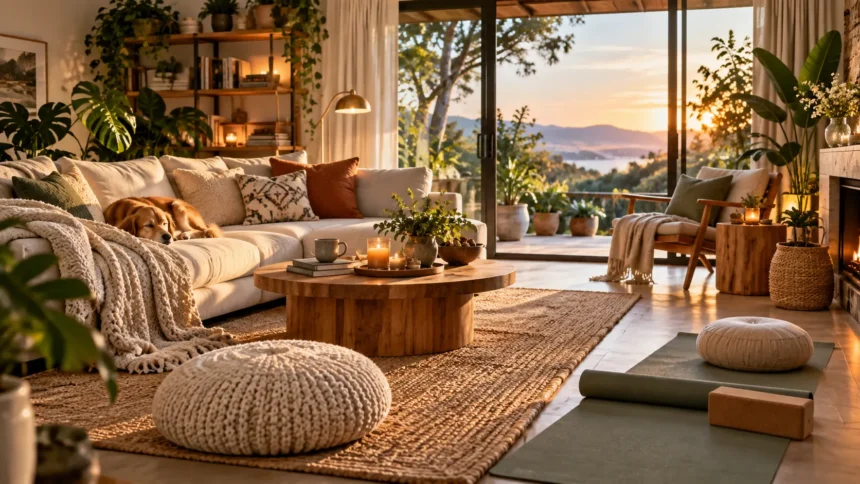
Your home can influence how calm, comfortable, and focused you feel throughout the day. Clutter, poor lighting, constant noise, limited privacy, and uncomfortable spaces can make everyday life feel more demanding, while a supportive environment can make routines easier. You do not need a perfect home or expensive interior design to create a space that feels better to live in.
Improving your home for mental well-being is mainly about reducing unnecessary stress and creating spaces that support rest, connection, focus, and personal comfort. Small changes involving organization, natural light, noise, greenery, routines, and technology can make a meaningful difference. The goal is not to create a showroom but a home that genuinely works for the people living there.
Reduce Visual Clutter Around Your Home
Visual clutter can make a room feel busy even when you are not actively using everything around you. Papers on counters, clothes on chairs, crowded shelves, and miscellaneous objects can create constant reminders of unfinished tasks. Clearing frequently used surfaces can make everyday spaces feel simpler and easier to navigate.
Start with one small area instead of trying to declutter the entire house at once. A kitchen counter, bedside table, desk, or living room surface can provide an achievable starting point. Remove anything that does not belong there, then give important items simple storage locations so the same clutter does not immediately return.
Avoid replacing visible clutter with hidden clutter that becomes difficult to manage later. Drawers and cupboards still need practical categories so you can find things easily. A simple organization system reduces everyday decision-making and makes it easier to maintain a calmer home without constantly spending time cleaning and reorganizing.
Bring More Natural Light Into Your Rooms
Natural light can make indoor spaces feel brighter, more open, and more inviting. Open curtains or blinds during the day when privacy and weather conditions allow, and avoid placing large furniture directly in front of windows unnecessarily. Even a modest increase in daylight can change the overall atmosphere of a room.
If your home has darker areas, consider rearranging furniture to make better use of the available light. Mirrors and lighter furnishings can also help reflect brightness through certain spaces. You do not need structural changes to make a room feel less enclosed; sometimes a different layout can make natural light much more noticeable.
Use softer artificial lighting during the evening to create a clear transition from daytime activity to quieter hours. Lamps, dimmable fixtures, and lower-intensity lighting can feel more comfortable than bright overhead lights everywhere. Having different lighting options gives you more control over how each room feels throughout the day.
Create Spaces With Clear Purposes
When one area is used for work, eating, entertainment, storage, and relaxation at the same time, the space can start to feel chaotic. Creating simple zones for different activities can make your home easier to use. Even small rooms can benefit from having certain corners associated with specific purposes.
If you work from home, keep your laptop and work materials in one designated area whenever possible. At the end of the day, put paperwork away and visually reset the workspace. This helps prevent professional responsibilities from spreading throughout bedrooms, sofas, and other places where you would prefer to relax.
The same principle can apply to reading, hobbies, exercise, and quiet time. You do not need separate rooms for each activity. A comfortable chair, small desk, basket of supplies, or clear section of floor can establish a useful boundary that helps your home feel more organized and intentional.
Introduce Natural Elements Into Your Home
Natural materials and greenery can make indoor spaces feel softer and more welcoming. Houseplants, wooden furniture, woven baskets, cotton fabrics, and other natural textures can add warmth without making your home feel crowded. You only need a few carefully chosen elements to create a noticeable change.
If you enjoy plants, choose varieties that suit your home’s available light and your willingness to care for them. One healthy plant can provide more visual enjoyment than several neglected ones. Keep greenery in locations where it adds freshness without blocking walkways or creating additional maintenance problems.
Natural elements do not have to involve live plants. Fresh flowers, wooden accessories, stone textures, or views of outdoor greenery can contribute to the same overall feeling. Choose options that fit naturally with your home and lifestyle rather than filling rooms with decorative items purely to follow a wellness trend.
Make Your Bedroom Feel Calm and Comfortable
Your bedroom can become one of the most supportive spaces in your home when it feels organized and comfortable. Start by clearing unnecessary items from around the bed, managing laundry, and keeping bedside surfaces relatively simple. Reducing visual distractions can make the room feel more peaceful at the end of a busy day.
Pay attention to practical comfort as well. Bedding, temperature, airflow, lighting, and noise can all influence how pleasant the bedroom feels. You do not need luxury furniture or expensive decorations; clean bedding, comfortable pillows, softer evening lighting, and a tidy environment can make a noticeable difference.
Try to keep work materials away from the bed when possible. Laptops, paperwork, and reminders of unfinished tasks can make the room feel connected to productivity instead of relaxation. If your bedroom must double as an office, reset the work area at the end of the day so the space feels calmer afterward.
Control Noise and Create Quiet Moments
Constant background noise can make a home feel more stimulating than necessary. Televisions, notifications, household appliances, conversations, traffic, and entertainment may all compete for attention. You do not need complete silence, but reducing unnecessary sound can create periods when your home feels noticeably calmer.
Identify which noises are within your control. Turn off televisions when nobody is watching, reduce unnecessary device alerts, and close doors or windows when practical if outside noise is disruptive. Soft furnishings such as curtains and rugs may also reduce some of the sound reflection inside rooms.
Consider creating short quiet periods during the day or evening. This might mean reading without background television, drinking tea without your phone, or simply sitting somewhere comfortable for a few minutes. Quiet time does not need to be formal meditation; it can simply provide a break from constant stimulation.
Manage Technology More Intentionally
Technology makes home life convenient, but constant digital activity can make it difficult to feel genuinely off duty. Phones, laptops, televisions, and tablets can bring work, news, social media, and entertainment into every room. Creating a few boundaries can help your home feel less dominated by screens.
Start by reducing notifications that do not require immediate attention. You can also create specific charging locations instead of keeping devices beside you constantly. Simple changes such as keeping phones away from the dining table or bedroom pillow can create moments when your attention is not automatically pulled toward a screen.
You do not need to remove technology from your home or follow a strict digital detox. The goal is to use devices intentionally rather than automatically. Decide where and when technology is useful, then protect some activities such as meals, conversations, hobbies, or evening relaxation from unnecessary interruptions.
Keep High-Use Areas Easy to Maintain
A home that is difficult to clean or organize can create repeated frustration. Focus on making high-use areas such as the kitchen, bathroom, entryway, bedroom, and living room simple to maintain. Clear storage, easy-to-reach cleaning supplies, and practical furniture placement can reduce everyday effort.
Give commonly used belongings clear homes near the places where they naturally accumulate. Keys may belong near the entrance, laundry hampers where clothes are removed, and kitchen tools near food preparation areas. Good organization works with normal household behavior instead of expecting everyone to follow complicated systems.
Use short resets rather than waiting until the home becomes overwhelmingly messy. Five or ten minutes of putting items away, clearing surfaces, and handling obvious mess can prevent much larger cleaning sessions later. A manageable home environment can make everyday routines feel less chaotic without requiring constant housework.
Create a Comfortable Place to Relax
Having one place where you can sit comfortably without immediately focusing on chores or work can make home life feel more balanced. This could be a favorite chair, bedroom corner, balcony, sofa, or small reading nook. The space does not need to be large or specially decorated.
Keep the area comfortable with only a few useful details. A soft cushion, blanket, lamp, book, or small table may be enough. Avoid filling the space with excessive decor or miscellaneous belongings, because the goal is to create somewhere that feels easy to use rather than another area requiring constant organization.
Use your relaxation area for activities you genuinely enjoy. Reading, listening to music, journaling, drinking something warm, or simply sitting quietly can all fit naturally. A familiar place for downtime can make it easier to take meaningful breaks instead of automatically spending every spare moment on work or screens.
Make Room for Connection and Personal Enjoyment
A supportive home should provide opportunities for connection as well as privacy. Arrange shared spaces so family members or housemates can comfortably talk, eat, or spend time together without requiring a special occasion. Simple routines such as shared meals or relaxed evening conversations can make common areas feel more welcoming.
At the same time, everyone benefits from having opportunities for personal time. You may enjoy reading, drawing, cooking, gardening, gaming, crafting, or another hobby that helps you feel engaged. Keeping supplies accessible makes enjoyable activities easier to choose when you have free time.
Avoid turning every hobby into another productivity goal. You do not need to improve constantly, post the activity online, or make money from it for the time to be valuable. Creating room for enjoyment can help your home feel like a place for living rather than simply a location where responsibilities continue.
Conclusion
Making your home better for mental well-being does not require a complete renovation. Reducing clutter, improving lighting, creating clear activity zones, controlling unnecessary noise, and making frequently used spaces easier to maintain can all contribute to a calmer and more comfortable living environment.
Bedrooms, relaxation corners, shared spaces, and even simple storage systems can influence how your home feels from day to day. Natural elements, technology boundaries, quiet moments, and enjoyable activities can add balance without requiring expensive wellness products or complicated routines.
The most supportive home is one that reflects your actual needs rather than an idealized image of how a home should look. Focus on comfort, function, connection, and simplicity. Small improvements made consistently can help your home feel easier to manage and more enjoyable to spend time in.
FAQs
How can I make my home feel calmer?
Start by reducing visual clutter, improving natural light, controlling unnecessary noise, and creating clear places for everyday belongings. A short daily reset can also help prevent shared spaces from becoming overwhelming.
What colors are best for a calming home?
Soft neutrals, muted greens, gentle blues, warm earthy shades, and other understated colors can create a calmer appearance. Personal preference matters most, so choose tones that make your own space feel comfortable.
Can decluttering improve how my home feels?
Reducing unnecessary belongings can make rooms easier to clean, organize, and navigate. Clearer surfaces and simpler storage may also reduce visual distraction and make everyday household routines feel more manageable.
How can I create a relaxing home on a small budget?
Rearrange furniture, clear clutter, open curtains for natural light, reduce screen distractions, and create a quiet corner using items you already own. Simple environmental changes often cost little or nothing.
What is the easiest place to start improving my home environment?
Choose one high-use area such as your bedroom, kitchen counter, work area, or living room. Making one frequently used space more organized and comfortable can provide an immediate, manageable improvement.