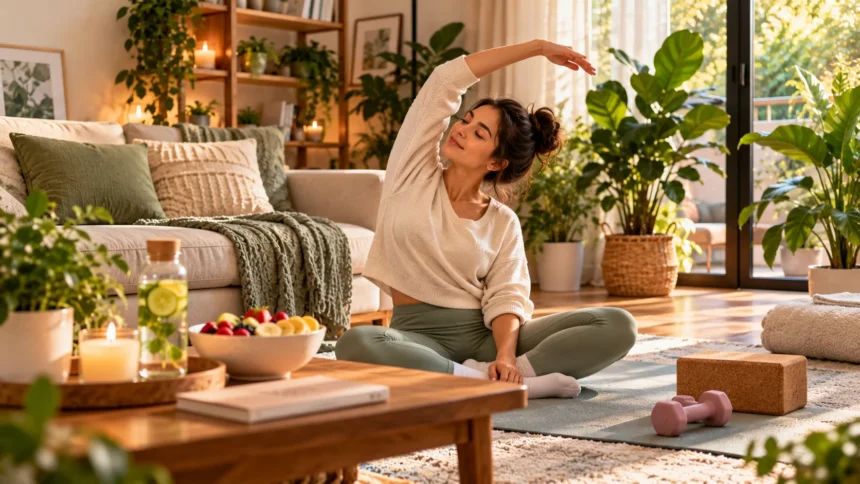
Creating a healthier and more comfortable home does not require expensive wellness products, complicated routines, or a complete lifestyle overhaul. Small changes to how you move, relax, eat, sleep, organize your surroundings, and use your time can make everyday life feel more balanced. Home wellness is mainly about building an environment that supports your physical comfort, mental calm, and daily energy.
The best wellness habits are realistic enough to repeat regularly. Instead of trying to follow a perfect morning routine or completely redesign your home, focus on simple actions that fit naturally into your schedule. A few thoughtful habits practiced consistently can make your home feel more supportive, peaceful, and enjoyable without adding unnecessary pressure to your day.
Start Your Day With a Simple Morning Routine
A calm morning can create a more comfortable start to the day without requiring you to wake up extremely early. Begin with a few basic actions such as opening the curtains, drinking some water, making the bed, and taking a moment to organize your thoughts. Keeping the routine simple makes it much easier to follow consistently.
Avoid filling the first part of your morning with too many tasks or complicated wellness rituals. Choose two or three habits that genuinely make you feel prepared for the day. You might stretch briefly, eat breakfast, prepare your workspace, or spend a few quiet minutes planning your priorities before household responsibilities become more demanding.
Try to keep unnecessary digital distractions from immediately dominating your morning when practical. Checking every notification as soon as you wake up can quickly make the day feel rushed. Giving yourself even a short period to get ready, move around, and settle into your environment can create a more intentional beginning.
Bring More Natural Light Into Your Home
Natural light can make indoor spaces feel brighter, more open, and more pleasant to spend time in. Open curtains or blinds during the day when privacy and weather conditions allow. Moving furniture away from windows when practical can also help daylight travel farther into rooms instead of being blocked by large objects.
If certain areas remain dark, consider how mirrors, lighter furnishings, or a different furniture layout might improve brightness. You do not need to renovate the room to make better use of available daylight. Small changes can make a home office, bedroom, or living area feel less enclosed and more comfortable.
As evening approaches, switch from bright daytime lighting to softer lamps where practical. This creates a clear difference between active daytime spaces and quieter evening environments. Using light intentionally throughout the day can support a home atmosphere that feels energetic when needed and calmer when you are ready to slow down.
Create Small Opportunities for Daily Movement
Wellness at home does not require a dedicated gym or long exercise sessions. Short periods of comfortable movement can fit naturally into your day, especially if you spend many hours sitting. Gentle stretching, walking around the house, climbing stairs, or taking brief movement breaks can prevent long periods of complete inactivity.
Look for activities that match your abilities and lifestyle rather than forcing yourself into routines you dislike. Some people enjoy structured workouts, while others prefer dancing, gardening, walking, or simple mobility exercises. A form of movement that feels manageable is much easier to repeat than an ambitious routine you constantly avoid.
Keep the environment supportive by leaving enough clear floor space to move safely. Comfortable clothing, a simple mat, or supportive shoes may be all you need depending on the activity. The goal is to make everyday movement convenient enough that it becomes part of normal life instead of another complicated project.
Keep Drinking Water Easy and Convenient
Staying hydrated can be easier when water is readily available instead of something you remember only after becoming very thirsty. Keep a reusable bottle, jug, or glass somewhere convenient during the day. Seeing it nearby can act as a simple reminder without requiring apps, complicated tracking systems, or strict schedules.
You can make water more appealing if plain water feels repetitive. Adding lemon, cucumber, mint, or another simple ingredient you enjoy may make it more pleasant, depending on your preferences. The important thing is to choose an approach that encourages regular drinking without turning hydration into another task you feel pressured to monitor.
Pay attention to your normal routine and identify when you naturally have opportunities to drink. Having water with meals, beside your workspace, or after physical activity can make the habit easier to remember. Simple environmental reminders often work better than relying entirely on motivation throughout a busy day.
Make Your Kitchen Support Everyday Wellness
A well-organized kitchen can make preparing everyday meals feel easier. Keep commonly used ingredients accessible, clear enough counter space for food preparation, and store cooking tools where they are easy to reach. When the environment works efficiently, you are less likely to feel frustrated before you even begin making something.
You do not need to prepare elaborate meals for home wellness to feel meaningful. Simple combinations of familiar foods can be practical and satisfying when they suit your household needs. Planning a few basic meal options ahead of time can also reduce the daily pressure of deciding what to cook when you are already busy.
Keep the kitchen pleasant by cleaning as you go and dealing with dishes before they become overwhelming. A reasonably tidy preparation area makes future cooking easier and reduces visual clutter. Small organization habits can turn the kitchen into a more functional space rather than somewhere associated only with repetitive chores.
Create a Comfortable Space for Relaxation
Every home benefits from at least one place where you can sit comfortably without immediately focusing on work or household tasks. This could be a favorite chair, bedroom corner, sofa, balcony, or small reading area. The space does not need to be large to provide a meaningful change of pace.
Add only the things that genuinely make the area comfortable. A soft cushion, blanket, lamp, book, or small table may be enough. Avoid filling your relaxation space with so many decorative items that it becomes difficult to use or requires regular organization before you can actually enjoy it.
Use the area intentionally when you need a quieter moment. You might read, listen to music, enjoy a drink, or simply sit without doing anything productive. Having a familiar place for downtime can make it easier to take short breaks instead of spending every available moment on screens or unfinished responsibilities.
Reduce Unnecessary Digital Clutter
Digital wellness can be just as important as physical organization when much of daily life happens through phones and computers. Constant notifications, crowded inboxes, open browser tabs, and social media can keep your attention divided even when you are at home. Reducing unnecessary interruptions can make everyday routines feel less mentally crowded.
Start by adjusting notifications you do not need immediately. You can also remove unused apps, organize important files, and close browser tabs that are no longer relevant. These small changes reduce the number of digital reminders competing for attention without requiring you to disconnect completely from useful technology.
Consider creating a few screen-free moments during the day. Meals, short walks, morning routines, or the final part of the evening can provide natural opportunities. You do not need a dramatic digital detox; the goal is simply to create enough space that screens do not automatically fill every quiet moment.
Improve Indoor Air and Freshness
A fresh home environment can make rooms feel more comfortable without relying heavily on strong fragrances. When outdoor conditions are suitable, open windows briefly to allow air to circulate. Kitchens, bathrooms, and bedrooms can particularly benefit from regular ventilation because cooking, moisture, and closed spaces may create stale air.
Keep common odor sources under control by managing trash, dirty laundry, damp towels, pet areas, and food residue. Cleaning the source is more effective than repeatedly covering smells with sprays. Regular vacuuming and washing frequently used fabrics can also make the overall home environment feel cleaner and fresher.
If you enjoy fragrance, keep it subtle and choose something that feels pleasant rather than overpowering. Fresh flowers, herbs, or a mild scent can add personality after the room itself is clean. A neutral, well-ventilated home often feels more comfortable than one filled with several competing fragrances.
Build a Simple Evening Wind-Down Routine
The end of the day can feel calmer when you create a short transition between responsibilities and rest. Finish essential chores, reduce bright lighting, and put away unnecessary work materials when possible. These small signals can help the home feel less active without requiring an elaborate wellness routine.
Choose one or two quiet activities you genuinely enjoy. Reading, journaling, gentle stretching, listening to music, or preparing for the next day can all fit naturally into the evening. The activity should make you feel less rushed rather than becoming another checklist item that must be completed perfectly.
Keep the routine flexible on busy nights. A shorter version with dimmer lighting, basic personal care, and a few quiet minutes may be enough. Consistency matters more than complexity, so create something you can return to easily even when work, family, or other responsibilities change your schedule.
Keep Your Bedroom Comfortable and Uncluttered
A comfortable bedroom can support the quieter part of your home wellness routine. Keep the areas around the bed reasonably clear, manage laundry, and reduce unnecessary objects on bedside surfaces. You do not need a minimalist room, but less visible clutter can make the space feel easier to settle into.
Pay attention to comfort factors such as bedding, airflow, temperature, lighting, and noise. Clean sheets, supportive pillows, and an environment that feels comfortable to you can make the room more inviting. These practical details usually matter more than expensive decorative upgrades when your goal is everyday comfort.
Try to keep work and highly stimulating activities away from the bed when possible. If the bedroom also serves as an office, reset the work area at the end of the day. Creating even a small visual separation between productivity and rest can help the room feel more intentional.
Use Short Home Resets to Reduce Stress
A messy environment can make ordinary tasks feel harder because you have to move, search for, or organize things before starting. Instead of waiting until clutter becomes overwhelming, use short resets throughout the week. Ten minutes spent clearing surfaces or returning misplaced belongings can make a noticeable difference.
Focus on the rooms that affect your daily routine most. A clear kitchen counter, organized entryway, tidy bedroom, and comfortable living area can make the home feel easier to manage. Lower-priority spaces can wait rather than turning every reset into a complete whole-house cleaning session.
Give frequently used belongings obvious storage locations so returning them becomes automatic. Keys, shoes, bags, chargers, paperwork, and everyday household items should be easy to put away. Simple systems reduce decision-making and allow your home to remain reasonably organized without requiring constant effort.
Make Time for Hobbies and Enjoyable Activities
Wellness is not only about cleaning, food, exercise, or sleep. Making time for activities you genuinely enjoy can give your day variety and create moments that are not focused on responsibilities. Reading, gardening, drawing, cooking, music, crafts, games, or another hobby can provide enjoyable personal time.
Keep hobby supplies accessible enough that starting feels easy. If you need to unpack several boxes or reorganize a room before beginning, you may rarely use the activity for relaxation. A small basket, drawer, shelf, or designated workspace can make it easier to return to something you enjoy.
Avoid feeling that every hobby must become productive. You do not need to monetize it, post it online, or constantly improve your skills for the activity to have value. Making space for enjoyable experiences simply because you like them can help everyday life feel more balanced and less focused on completing tasks.
Conclusion
Simple home wellness ideas work best when they become part of ordinary life rather than special routines you follow only occasionally. Natural light, comfortable movement, hydration, organized spaces, and quiet breaks can improve how your home feels without requiring expensive products or major changes.
Your environment can also support easier habits. A functional kitchen, comfortable bedroom, fresh indoor air, reduced digital distractions, and a dedicated place to relax can make everyday routines more pleasant. Small adjustments often become more useful over time because they require very little effort to maintain.
There is no perfect home wellness routine that suits everyone. Choose habits that fit your schedule, household, preferences, and available space, then change them as your needs evolve. A healthier-feeling home is usually created through simple, repeatable choices that make daily life more comfortable and enjoyable.
FAQs
What are some simple wellness ideas to do at home?
Try opening curtains for natural light, drinking water regularly, taking movement breaks, creating a quiet relaxation area, reducing screen distractions, and keeping commonly used spaces organized and comfortable.
How can I create a healthier home routine without spending money?
Use resources you already have. Walk, stretch, ventilate rooms, declutter surfaces, read, prepare simple meals, take screen breaks, and create quieter morning or evening routines without purchasing special wellness products.
How can I make my home feel calmer?
Reduce visible clutter, use softer evening lighting, control unnecessary noise, keep rooms fresh, and create at least one comfortable area for relaxation. Small environmental changes can make a noticeable difference.
How much time should I spend on wellness every day?
There is no fixed amount required. Short habits spread throughout the day can be easier to maintain than one long routine, especially when they fit naturally around meals, work, movement, and rest.
How do I make home wellness habits easier to maintain?
Start with only a few realistic habits and connect them to routines you already follow. Keep your environment supportive and adjust your approach when something begins to feel complicated or difficult to sustain.